
Selecting the optimal departure port dramatically impacts cost, transit time, and overall efficiency when shipping goods from China to the USA. With significant variations in ocean freight rates, sailing schedules, and transit durations between different Chinese ports, understanding each option's advantages enables informed decision-making that can save costs and reduce waiting time. This comprehensive guide examines the best Chinese ports for USA-bound shipments, compares different port routing options, and provides strategic recommendations based on cargo location, timeline requirements, and budget priorities.
For complete information about USA import duties, taxes, documentation requirements, and customs procedures, see our comprehensive guide on shipping goods from China to the USA. We provide competitive rates from major Chinese ports with expert guidance to optimize port selection and shipping solutions for individual logistics needs.
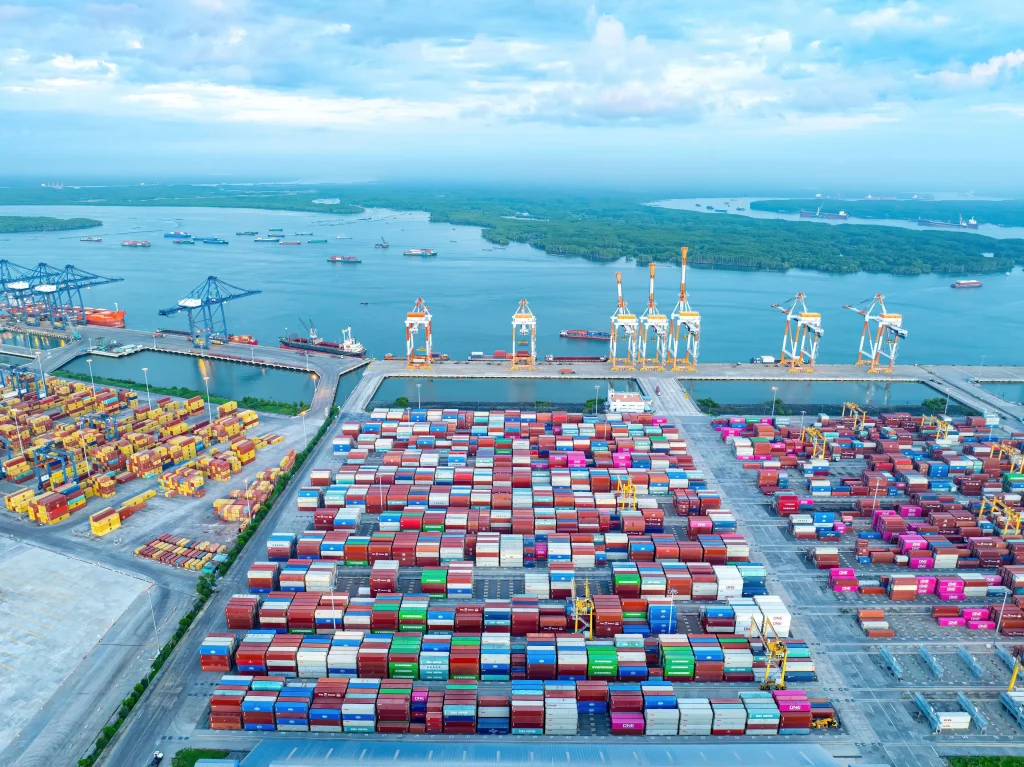
Overview: China to USA Shipping Routes
The USA's primary import ports include the Port of Los Angeles, Port of Long Beach, Port of New York and New Jersey, and Port of Savannah, serving as major gateways for goods imported from China. Understanding which Chinese ports offer the most efficient connections to major U.S. ports forms the foundation of strategic port selection.
Geographic Advantages: West Coast Proximity
The Pacific Ocean connects China's major export ports with the U.S. West Coast by relatively shorter sailing distances, creating significantly shorter transit times than East Coast alternatives. This geographic reality fundamentally favors West Coast ports for China-to-USA shipments, though other factors also influence optimal port selection.
- Transpacific Route Efficiency: Direct transpacific routes from major Chinese ports to U.S. West Coast ports typically complete the ocean crossing in 12-25 days depending on vessel schedules, weather conditions, and any intermediate port calls. These direct routes offer some of the fastest transit times available for China-to-USA ocean freight.
- East Coast Disadvantages: Shipping from Chinese ports to the U.S. East Coast requires vessels to transit through the Panama Canal or take longer routes via the Suez Canal, adding additional distance and transit time. These routing requirements generally make East Coast deliveries slower and may result in higher transportation costs compared with West Coast routes.
China Shipping's Strategic Port Network
China's major export ports provide comprehensive nationwide coverage for USA-bound shipments:
- East China: Shanghai and Ningbo offer extensive sailing schedules to major U.S. ports, highly developed logistics infrastructure, competitive ocean freight rates due to high trade volumes, and excellent connectivity for manufacturers located across Eastern and Central China.
- South China: Shenzhen and Guangzhou provide efficient access to transpacific shipping routes, strong export handling capabilities, modern container terminals, and optimal coverage for factories located in Guangdong and surrounding manufacturing regions.
- North China: Qingdao and Tianjin serve exporters in Northern China with convenient departure options, well-established international shipping services, and comprehensive logistics support. These ports provide reliable connections to both U.S. West Coast and East Coast destinations, helping businesses reduce inland transportation costs while maintaining efficient ocean freight operations.
Port of Shanghai: The China Export Leader
The Port of Shanghai represents the premier departure point for USA-bound shipments, offering an optimal combination of transit time, capacity, and sailing frequency.
Geographic and Logistical Advantages
- China's Largest Port: The Port of Shanghai is the world's busiest container port, handling tens of millions of TEUs annually. Its massive scale enables extensive shipping options and efficient cargo movement to major U.S. destinations.
- Transpacific Trade Hub: As China's leading international shipping gateway, Shanghai serves as a major hub for trade between China and the United States. This high cargo volume supports frequent sailings, strong carrier competition, and competitive freight rates.
- Multiple Terminal Options: The port's extensive network of modern container terminals operated by major global shipping lines provides flexibility in vessel selection and scheduling, helping reduce waiting times and improve shipping efficiency.
- Excellent Inland Connections: Shanghai connects efficiently to manufacturing centers across Eastern and Central China through an extensive network of highways, railways, and inland waterways, enabling cost-effective transportation from factories to port facilities.
China to USA Shipping Rates and Transit Times
Competitive China to USA shipping solutions are available from major Chinese ports such as Shanghai, Ningbo, Shenzhen, and Qingdao:
- Standard Container Rates: Freight costs vary based on market conditions, container type, cargo volume, and destination, with both FCL and LCL options available for businesses of all sizes.
- Transit Time: Approximately 15–40 days total, depending on the departure port, destination port, ocean carrier schedule, port processing times, and customs clearance requirements in the United States.
- Sailing Frequency: Weekly and often multiple weekly departures on major transpacific shipping routes ensure minimal waiting times for vessel availability.
- Cost Advantages: Major Chinese ports typically offer highly competitive freight rates due to their large shipping volumes, extensive carrier networks, and direct connections to key U.S. West Coast and East Coast ports, helping importers optimize both shipping costs and transit efficiency.
Port of Shenzhen: South China's Gateway
The Port of Shenzhen ranks among China's busiest container ports and serves as one of the country's primary export gateways, offering excellent China to USA shipping services through its extensive network of international carriers.
Strategic South China Position
- Manufacturing Advantage: Shenzhen's location in the Pearl River Delta provides direct access to one of the world's largest manufacturing regions, making it an ideal departure point for goods produced throughout Guangdong Province and Southern China.
- Regional Export Access: Beyond Shenzhen itself, the port efficiently serves nearby manufacturing hubs including Dongguan, Foshan, Zhongshan, and Guangzhou, where many export-oriented factories are concentrated.
- Container Shipping Specialization: The port has developed extensive expertise in international container shipping, with advanced terminals, high cargo throughput, and experienced logistics providers supporting global trade.
- Modern Infrastructure: Continuous infrastructure investments have enhanced Shenzhen's capacity and operational efficiency, supporting smooth cargo handling and faster export processing.
USA Shipping Performance
China to USA shipping through Shenzhen offers strong performance across major trade lanes:
- Competitive Rates: Shenzhen provides highly competitive ocean freight pricing due to its large export volume, strong carrier competition, and direct transpacific services.
- Efficient Transit Times: Shipments typically reach U.S. West Coast ports in approximately 12–20 days, while East Coast destinations generally require 25–40 days depending on routing and carrier schedules.
- Transpacific Route Efficiency: Direct sailings to major U.S. gateways such as Los Angeles, Long Beach, Oakland, New York, and Savannah help reduce transit times and improve supply chain reliability.
- Reliable Scheduling: Frequent weekly departures and strong carrier coverage ensure predictable shipping schedules and flexible booking options.
When to Choose Shenzhen
Shenzhen is an excellent choice for shipments originating in Southern China, particularly from Guangdong Province and neighboring manufacturing regions. The port offers convenient access, competitive freight rates, and efficient transit times, making it a preferred gateway for businesses shipping goods to the United States.
For exporters located in Central and Eastern China, comparing total logistics costs between Shenzhen, Shanghai, and Ningbo often helps identify the most cost-effective routing based on cargo location, destination, and current freight market conditions.
USA Shipping from Shanghai
China to USA shipping services are widely available from the Port of Shanghai, one of the world's largest and most efficient container ports.
- Current Rates: Freight rates vary based on market conditions, container type, cargo volume, and destination port within the United States.
- Rate Advantages: Shanghai's massive shipping volume, extensive carrier network, and direct transpacific services help maintain highly competitive freight rates for both FCL and LCL shipments. However, transportation costs can vary depending on the final U.S. destination, seasonal demand, and carrier capacity.
- Export Convenience: Exporters benefit from Shanghai's advanced logistics infrastructure, modern container terminals, and comprehensive freight forwarding services, ensuring efficient cargo processing and shipment handling.
- Simplified Logistics: The port offers extensive connections to manufacturing regions across Eastern and Central China, providing streamlined cargo movement from factory to vessel and reducing overall supply chain complexity.
When Shanghai Departure Makes Sense
- Eastern and Central China Origins: For shipments originating in regions such as Shanghai, Jiangsu, Zhejiang, and Anhui, departure through Shanghai typically provides the most efficient combination of transportation cost, sailing frequency, and logistics convenience.
- Cost Comparison: Consider this export scenario:
- Option A: Ship through Shanghai with direct transpacific service to a U.S. West Coast port, benefiting from competitive freight rates and shorter ocean transit times.
- Option B: Transport cargo to an alternative Chinese port before export, potentially increasing domestic transportation costs and extending overall transit time.
Both options may successfully reach the U.S. market, but local departure through Shanghai often offers simpler logistics, lower inland transportation costs, and greater scheduling flexibility.
Port Selection Decision Framework
Choosing the optimal departure port requires evaluating multiple factors based on individual circumstances. China offers several major export ports—including Shanghai, Shenzhen, Ningbo, Qingdao, and Tianjin—all providing efficient shipping services to major U.S. ports and destinations.
Factor 1: Cargo Location
- Primary Consideration: Where is your cargo currently located? Geographic proximity to export ports significantly impacts inland transportation costs and overall shipping efficiency.
- Eastern China: Shanghai and Ningbo typically offer the best combination of competitive rates, frequent sailings, and efficient export services.
- Southern China: Shenzhen and Guangzhou provide excellent access for manufacturers throughout Guangdong and the Pearl River Delta region.
- Northern China: Qingdao and Tianjin provide convenient export solutions for suppliers located in Northern China, with reliable connections to U.S. markets.
- Central and Western China: Comparing multiple port options is important, as inland transportation costs may influence whether Shanghai, Ningbo, Shenzhen, or other ports provide the most economical solution.
Factor 2: Budget vs. Speed Priorities
- Fastest Transit: China’s major West Coast export ports, including Shanghai, Ningbo, and Shenzhen, typically provide the shortest ocean transit times to U.S. West Coast destinations.
- Most Competitive Routing: Direct services from high-volume Chinese ports help reduce freight costs through strong carrier competition and frequent sailing schedules.
- Budget-Conscious: Compare total logistics costs, including inland transportation, ocean freight, customs fees, and final delivery expenses. The closest port is not always the cheapest option when considering the complete supply chain.
- Premium Budget: If convenience and speed are priorities, selecting a port with direct services and strong logistics infrastructure can provide better reliability even if rates are slightly higher.
Factor 3: Sailing Frequency and Flexibility
- Frequent Sailings: Major ports such as Shanghai, Shenzhen, and Ningbo offer frequent departures, reducing waiting times and improving shipment flexibility.
- Consistent Service: Leading Chinese export ports maintain reliable schedules with global carriers serving major U.S. destinations.
- Flexibility: If delivery timelines are strict, choosing ports with more frequent sailings helps reduce scheduling risks and potential delays.
Factor 4: Additional Services Needed
- Nationwide Coverage: Experienced freight forwarders provide logistics support across major Chinese regions, helping coordinate factory pickup, port delivery, customs clearance, and final transportation.
- Customs Expertise: Major export ports offer professional customs clearance services and experienced teams familiar with international trade requirements.
- Warehouse Facilities: Warehousing, consolidation, inspection, and cargo preparation services are available for shipments requiring additional handling before export.
- Professional Services: Comprehensive documentation support, inland transportation coordination, cargo tracking, and end-to-end logistics solutions help ensure smooth shipping from China to the USA.
For comprehensive guidance on preparing goods for international shipping, review our complete preparation checklist covering documentation, packaging requirements, customs compliance, and shipping readiness.