
Shipping goods from China to the USA may seem overwhelming at first because there are so many different ways to ship them and so many customs rules that apply. But with proper planning, you will find that it’s very easy to manage. This guide provides information about how to transport your products from China to the US quickly and efficiently so you have a successful shipping experience.
Key Takeaways
- Shipper’s choice when shipping to China from the USA: faster air freight vs. slower and less expensive sea freight.
- To guarantee that fragile shipments arrive without damage, it will be necessary to package them correctly.
- To avoid being delayed when you arrive in the United States, proper customs documentation should be completed.
- By understanding how much you will pay in U.S. Customs fees, you can avoid paying extra.
- Using shipping companies with tracking and bilingual support can make mailing packages to China much easier than other options.
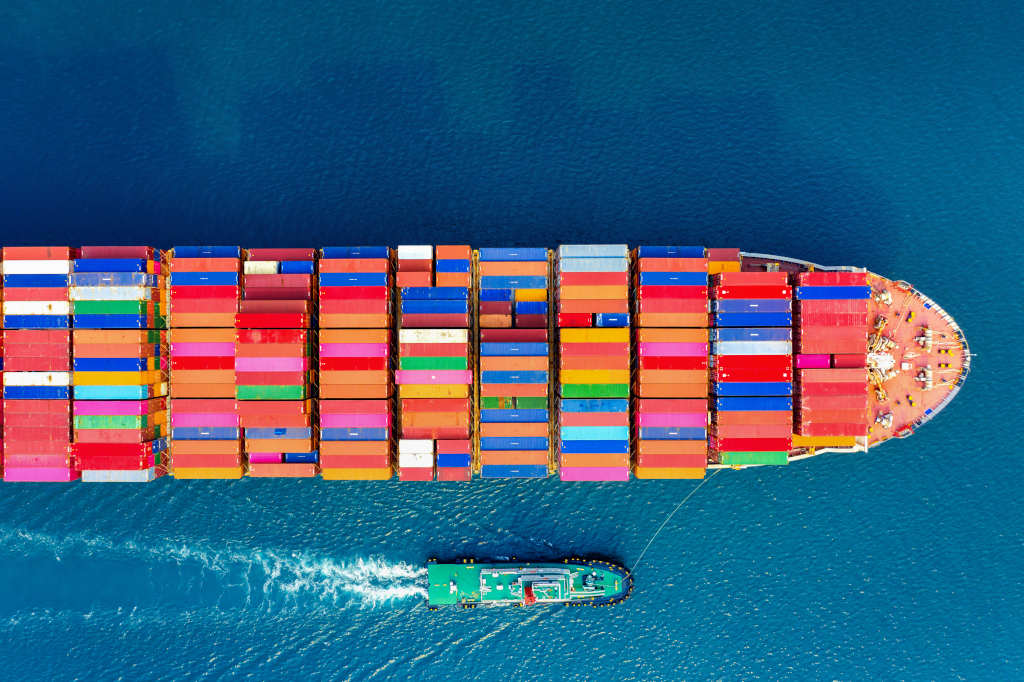
Aerial view of container cargo ship in sea.
Understanding Shipping Options from China To US
Transporting customized or handmade items safely to the United States will require significant logistics planning in comparison to a typical delivery. One of the main decisions to make is whether you want to use either air or sea transportation.
Air Freight from China to the US
Air freight can be used when you need to send something (a package) from China to the United States. Air freight is the fastest way to get your package to the United States. In addition, it is one of the safest ways to ship a package. If you have urgent paperwork, valuable things, or food that will spoil if it takes too long to get there, air freight is the best choice. With air freight, you can be sure that your package will arrive at its destination in the United States in just a few days. While air freight usually costs more than other options, it is well worth the extra money for many different kinds of shipments.
Ocean Freight from China to the US
If you have a larger, heavier, or less time-sensitive shipment, then sea freight can be an option that will save money. Although shipping to the U.S. via sea freight takes longer than air freight, sea freight will significantly reduce your cost when shipping bulky items. Sea freight can be used as an alternative to air freight if you are moving your personal effects, if you are a company that has a large amount of stock to move, or if you are looking to save some money on your shipment. At our company, we provide both LCL (Less Than Container Load) shipping for smaller shipments and FCL (Full Container Load) shipping for larger shipments. This provides flexibility for all types of shipping requirements.
DDP Shipping from China to the USA
DDP (Delivered Duty Paid) shipping from China to the United States refers to the logistical support that is offered when one company will be responsible for handling all aspects of moving your goods from their point of origin in China until they reach their destination in the U.S. This includes picking up the merchandise from the Chinese manufacturer, transporting it across international boundaries, paying any applicable customs fees or tariffs, and delivering the merchandise directly to the U.S. location specified by the customer.
If you're trying to understand how it works, here's the short version:
- Pickup — Cargo is picked up at the manufacturer’s site (factory), warehouse, or supplier in China.
- The transport of goods to the departure port or airport will be done via truck.
- International Shipping — Your items will travel to the United States using either an ocean vessel or aircraft.
- Customs Clearance — The logistics provider manages both the exporting process from China and the importing process into the U.S., including paying all relevant taxes and fees associated with these processes.
- Final Delivery — The cargo will be delivered straight to a warehouse, business, or residential address in the U.S.
This type of shipping differs from port-to-port shipping because, with port-to-port, the customer (or buyer) must arrange customs clearance and inland transportation. With DDP shipping, the same company handles all aspects of shipping from origin to destination.
The shipping of products from China to the United States has many different components, such as completing the necessary export paperwork, finding an international carrier for transport of the product, complying with all relevant customs laws and regulations, paying the required duties upon arrival in the U.S., and completing the “last mile” delivery of the product. DDP shipping can simplify the entire logistics process for businesses importing products for use in their business (i.e., commercial products), products to sell online (i.e., eCommerce), or products to produce other products (i.e., manufacturing).
The comparison among the different methods of shipping that are offered by a business can be made based on the following:
| Shipping Method | Transit Time | Best For |
|---|---|---|
| Air Freight | 5–10 Days | Urgent shipments |
| Sea Freight | 20–45 Days | Large and heavy cargo |
| Express Shipping | 3–7 Days | Samples and small parcels |
| DDP Shipping | 7–40 Days | Importers wanting all-inclusive delivery |
Selecting the best shipping option for your parcel depends on what you value more: speed of delivery or low costs. Air freight is typically used when speed of delivery is important because it offers faster transit times and less opportunity for goods to spoil. However, if your parcels do not contain perishable items, or you have a long window of opportunity to ship them, then sea freight is a much cheaper alternative. There are many companies in China that provide shipping services from China to the United States and can help you find the right option based on your needs.
Best China to USA Shipping Method
Shipping options for goods imported from China to the United States will depend on several factors, including the time frame required for delivery of products, product size/volume/weight, cost/budget limitations, and type of product being shipped. As such, each of these factors must be balanced against each other in order to determine what would be the most effective and efficient means of transporting your products.
The following is a list of the main ways to ship goods from China to the United States:
- Large quantity sea shipping — Ocean freight is the best price option for shipping in mass quantities and full container loads (FCLs).
- The use of air freight when you need your order delivered quickly — Air freight offers much faster transit time for expensive or time-sensitive shipments.
- LCL vs. FCL — Depending on how much you are shipping, LCL will work well for smaller amounts of goods, and FCL is more cost-effective when shipping larger quantities.
- DDP shipping simplifies things because it includes everything from getting your product to where you need it to be, to clearing it through customs, to paying any applicable taxes or fees, to delivering it to its final destination.
- A good freight forwarder will help you manage all your shipping paperwork, customs regulations, and transportation of goods from where they start to where you want them to go.
The selection of the right shipping method when importing from China to the USA will be a key element of the success of your import operation. If you are importing on an ongoing basis, then finding the right mix of price, speed of transit, and logistics services can make your supply chain more efficient, help reduce costs, and avoid delays in receiving goods.
How Long Does Shipping from China to the USA Take?
The length of time it takes to transport merchandise from China to the United States will vary based upon the type of transportation used, the nature of the cargo being shipped, and where in the United States that cargo is headed. Understanding the estimated transit times of your shipments will allow you to plan more effectively and establish realistic expectations for the delivery of your items, whether you are buying goods from Chinese vendors, moving your possessions, or filling customer orders.
China to USA Shipping Times
- Fast Delivery: 3 to 7 working days by Express Courier Service.
- Air Cargo Shipping: 5–10 business days using air transport.
- Sea Transport: 20–45 days depending on the location of the receiving port and the way it is shipped.
The actual time required for transit will depend upon several variables; these include the length of time needed to clear customs, how your products are shipped (i.e., air, sea, land), the accuracy of documentation provided by you or your agent, whether there are delays at the port(s) used for product arrival and/or departure, and finally, any seasonal considerations that may affect the ability to move goods through the supply chain.
Many importers find that international shipping from China to the United States is complicated. There are several different delivery methods available with varied delivery times, depending on the type of shipping service used, how fast customs processes shipments, and what the turnaround time of each carrier is.
Freight Rates from China to US in 2026
In 2026, the price of transporting products from China to the United States will continue to be significantly affected by tariff regulations, import volume, and seasonal shipping trends. Since many U.S. purchasers anticipate that tariffs may increase in the near future, they have moved forward with purchasing decisions; this action has created increased demand for container space on the China-U.S. route. Additionally, moving inventory into position prior to peak shopping times (i.e., Black Friday, Christmas) has contributed to the existing shortage of container space and increased shipping costs.
Sea freight is still the most affordable method of transport for big orders. The price of shipping varies greatly depending upon where the order originates from, where it will go to, how large the container used is, and how much there is a need for sea freight at that time.
As an example, recent information shows that the cost of moving a 40-foot container from Shanghai to New York is more than 5,700 because of increased demand and lack of available space.
When shipping products from China to the United States in 2026, there are two factors that should be taken into account: shipping expenses and the possible impact of tariffs on those expenses. By booking your shipments as early as possible, choosing the most cost-effective way to ship your goods, and working with a knowledgeable shipping provider, you can reduce the risk of unforeseen costs and delays associated with peak shipping seasons.
Essential Documentation for Shipping from China to the USA
The “passport” of a package is its documentation; if there are errors on the documentation, then the shipment of goods to the U.S. may be delayed at the point of entry.
A Commercial Invoice is the most important document in international shipping. Not only does it serve as a simple proof of purchase, but it also serves as a legally binding statement of what is being shipped and should contain:
- The full names and mailing addresses of both the sender and the receiver.
- Each item will be listed with a specific name, such as “Men’s Cotton T-Shirt,” rather than being referred to generally as “clothes.”
- The quantity of each item, as well as its unit value.
- The location in which the product was produced.
- Why you are exporting the item (for example, if it’s a gift, a sale, or personal belongings).
The requirement for an Export Declaration from China Customs is based upon the monetary value of your shipment and any applicable export rules. For larger shipments, China Customs may require an Export Declaration. A Packing List will be needed for multiple-box shipments, or for a full container load (FCL), since this document provides detailed information regarding what each individual box contains.
If you are shipping commercially, a Certificate of Origin may be required to show where your products were made. The place of manufacture will determine how much duty you pay when importing your goods into the United States. We offer assistance with completing all of the paperwork needed for this type of shipment. In addition, we have additional resources for you regarding Door-to-Door Shipping from China to the United States. These resources should help make your import/export process go smoothly.
How to track a shipment from China to the USA
The process of tracking shipments of goods from China to the United States can be very difficult at times because of the number of different organizations that handle your shipment (logistics providers), the Customs authority, and all of the various modes of travel that your shipment will go through.
The tracking procedure typically follows these four steps:
- Locate the trackable number (found on the shipping confirmation, bill of lading, air waybill, or your customer account).
- Track your package by visiting either the freight forwarder’s tracking page or another universal tracking site like 17TRACK or AfterShip.
- Type the tracking number, and the computer will find the carrier (if it can).
- Follow the progress of your shipment as it moves through each of its stages, i.e., when it leaves, when it travels to another location, when it goes through customs, when it arrives at its destination, and when it is finally delivered to you.
If the shipment is being processed by SSFE Shipping, tracking of the shipment will be possible via the SSFE Shipping Tracking Portal.
A major issue with shipping from China to the US is that the majority of shipments do not use just one carrier. When you ship goods out of China (Shanghai, Shenzhen, Ningbo), they can change carriers several times, from an ocean carrier to an air carrier, through customs inspection, into a port/airport in the U.S., and then on to either a trucking company or last-mile delivery service. Many of these organizations also have their own tracking systems and update their shipment statuses differently.
International shipping terms like “Vessel Departed,” “Customs Clearance in Progress,” or “Awaiting Inland Transportation” may confuse people who are new to international shipping practices.
Conclusion
Navigating the complexity of China-to-USA shipping requires a plan, regulatory compliance, and an understanding of the shipment process. Whether you choose to ship via air (faster) or ocean (cheaper), prepare proper customs paperwork, handle delays appropriately, etc.; all steps are necessary to ensure a successful international delivery.
Our experience in international shipping/logistics and freight forwarding guarantees that all of your shipments from China to the United States will be processed professionally, quickly, and with great care. We have a commitment to providing you with the most complete service possible, which includes help with meeting packaging standards and customs regulations, as well as tracking your shipment and providing continuous support during the entire shipping process.
Whether you’re shipping small packages, importing commercial products, or transporting large volumes of goods from China via container, we’re committed to providing you with safe, efficient, and reliable shipping services. If you’re fully prepared for the entire process and choose to partner with Ssfeshipping, the trans-Pacific shipment of your products from China to USA will be predictable and seamless.
FAQs About Shipping from China to the USA
How long does it take to ship from China to the USA?
Ocean transit times from China to the USA vary based on the origin warehouse, export port, destination port, sailing schedule, and customs clearance. Shipments routed through West Coast gateways such as Los Angeles/Long Beach can have shorter ocean passages, while shipments moving from inland locations first require domestic transfer to the export port. Shippers should also allow time for port handling, container consolidation, deconsolidation, and customs clearance at both ends.
How much does it cost to ship a container from China to the USA?
Ocean transit times from China to the USA vary based on the origin warehouse, export port, destination port, sailing schedule, and customs clearance. Shipments routed through West Coast gateways such as Los Angeles/Long Beach can have shorter ocean passages, while shipments moving from inland locations first require domestic transfer to the export port. Shippers should also allow time for port handling, container consolidation, deconsolidation, and customs clearance at both ends.
What documents are required to ship goods from China to the USA?
You’ll usually need a commercial invoice, a bill of lading, a packing list, and sometimes a certificate of origin. A customs broker can help you prepare everything.
Can you ship from China to the USA?
Absolutely. Goods can be shipped from China to the USA, provided they comply with both countries’ customs regulations and are not on the prohibited items list.
How much does it cost to ship from China to the USA?
The cost of shipping to the US depends on several factors, including the weight, size, and destination of your shipment, as well as any additional services you choose.
Ssfeshipping freight forwardercan provide you with an instant quote for shipments from China to the US.