Air freight is one of the quickest and most dependable ways to ship stuff internationally—perfect for things that need to get there fast or are super valuable. That said, it’s pricier than shipping by sea or land, and the cost can fluctuate based on weight, size, destination, and even fuel prices.
In this guide, we’ll walk you through the key aspects of air freight shipping—including the different service options available, the main drivers of shipping costs, and practical, actionable best practices to help you optimize your logistics strategy while keeping expenses manageable.
Express Air Freight
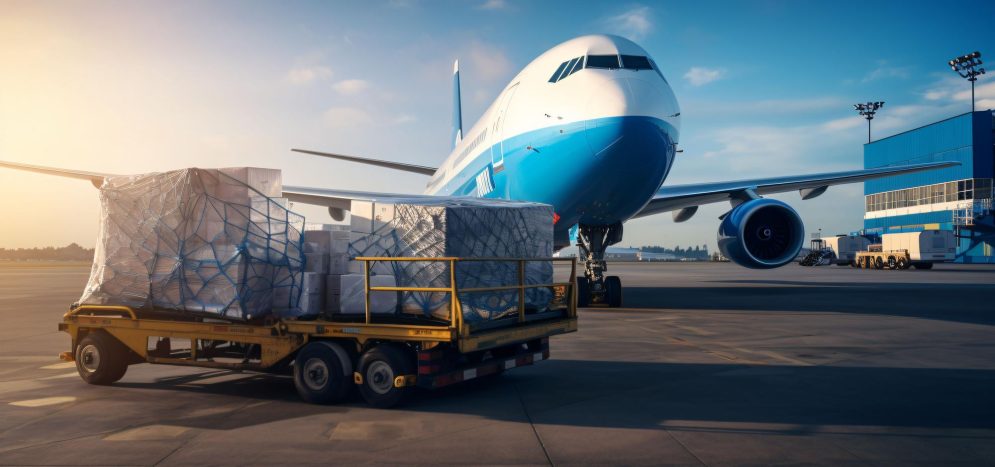
Express air freight is a top-tier logistics service that focuses on delivering goods quickly and reliably. It stands out for its speed, dependable operations, and compliance with international regulations. Companies like DHL, FedEx, and UPS use their own cargo planes and well-placed freight terminals to move shipments efficiently around the world. This door-to-door service works especially well for small, urgent, valuable, or sensitive shipments.
- Speed by design: direct routings, minimal dwell, and priority handling.
- Predictability: tighter SLAs and proactive exception management.
- Custody: fewer handoffs and documented chain of custody.
- Visibility: live milestones from pickup to proof of delivery.
Consolidated Air Freight
Air freight consolidation means combining small shipments from different senders into a single larger shipment that travels by air. This way saves money and helps things run more smoothly, making shipping faster and more dependable. Small and medium businesses, online sellers, and companies that ship often but do not have enough goods to fill a whole pallet or container usually use this method. This lowers the cost of shipping.
- Cost reduction: Consolidating shipments onto a single flight shares air capacity, significantly lowering transportation costs.
- Logistical efficiency: Handling a single consolidated load—instead of multiple individual loads—saves time and resources, speeding up transport and handling.
- Lower environmental impact: Fewer flights are needed to move the same volume of cargo, reducing greenhouse gas emissions. By choosing air cargo consolidation, companies support environmental sustainability.
- Better organization: Consolidated shipments operate on fixed, weekly flight schedules—such as Ibercóndor’s multiple weekly departures—enabling shippers to plan routes more effectively and deliver to end customers faster.
Charter Flights
Charter Flights are air freight services where the entire aircraft is dedicated to your cargo. The entire aircraft is chartered for the transport of the cargo and flies on a dedicated timetable and route rather than a seat on a scheduled flight. Transportation on a dedicated flight can sometimes be cheaper than transporting the cargo on a scheduled flight, based on the air freight cost per kilogram.
- Route & Schedule Flexibility: Pick origin, destination, and departure times — even to secondary or regional airports.
- Dedicated Capacity: ideal for high-volume or oversized shipments.
- Custom Handling: Tailored temperature-controlled decks, special loading gear, and bespoke security protocols.
- Time-Critical Reliability: No waiting on seat availability — perfect for perishables, pharmaceuticals, or urgent e-commerce stock.
Standard Air Freight
Standard air freight offers regular scheduled service with typical transit times of 1-5 days domestically and 3-7 days internationally. This option balances speed with cost-effectiveness and is suitable for time-sensitive but non-urgent shipments.
- Cost efficiency: It is generally more affordable compared to express and specialised services.
- Packaging: To minimise costs and prevent damage, businesses must follow air freight packaging best practices to ensure that goods are securely packed for air transport.
- Broad accessibility: Suitable for a wide range of industries and cargo types.
Types of cargo suitable for air freight
These diverse cargo types help businesses select air freight solutions that allow them to match their various cargo types.
- Dangerous Goods: Safeguarding hazardous materials such as chemicals, flammables, batteries, and pressurised containers requires strict compliance with national and international regulations, including IATA DGR. Specialised packaging and handling are required.
- Live Animals: Transporting pets, livestock, and exotic animals requires special care. This includes climate-controlled compartments, proper ventilation, and trained handlers.
- High-Value Items: Precious metals, jewellery, artwork, and currency need extra security. Examples include tamper-evident seals, armed escorts, and real-time tracking.
- Heavy & Oversized Cargo: Industrial equipment, vehicles, and machinery need reinforced aircraft, larger doors, stronger floors, and custom handling. This also includes weight-distribution analysis.
Benefits of Air Freight for Businesses
Air freight offers several key benefits that can significantly impact a business’s operations and success. Here are some of the primary advantages:
- Speed: Air freight is the fastest shipping method available. It ensures that urgent deliveries reach their destinations quickly, which is vital for many industries.
- Reliability: Airlines operate on strict schedules, making air freight highly reliable. Businesses can count on timely deliveries to meet tight deadlines and boost customer satisfaction.
- Global Reach: Air freight connects businesses to international markets. This global reach allows companies to expand their customer base and grow their operations.
- Security: Airports have stringent security measures, ensuring that goods are handled safely. This high level of security is crucial for high-value and sensitive shipments.
- Reduced Risk of Damage: Air freight involves less handling of goods compared to other transport methods. This reduces the risk of damage, ensuring products arrive in excellent condition.
- Efficient Inventory Management:Faster shipping times allow businesses to manage their inventory more efficiently. They can reduce stock levels and respond quickly to market demands.
By leveraging the benefits of air freight, businesses can enhance their logistics, meet customer expectations, and maintain a competitive edge in their industry. These advantages make air freight a smart choice for any business looking to improve its delivery processes.
Why Air Freight Wins for Time-Sensitive Shipments
- Speed that changes outcomes: Express air shipping cuts order-to-delivery timelines from days to hours. That’s the difference between hitting a launch window, avoiding penalties, or keeping a production line running.
- Predictability that operations can plan around: Consistency beats surprise. Because express air shipping removes dwell, long transfers, and unnecessary handoffs, your team can plan labor, docks, and downstream tasks with confidence.
- Security and custody for critical cargo: Fewer touches mean fewer opportunities for damage or loss. Add tamper-evident packaging, sealed custody logs, and ID-verified handoffs, and air freight becomes the safest fast option for sensitive goods.
- Global reach without the friction: With extensive airport networks and multiple daily departures between major hubs, express air shipping reaches across continents—often in a single day—while staying compliant and visible.
Calculating the Cost of Your Air Freight
Air freight costs are calculated using the weight or volumetric weight (depending on which is larger) of your cargo. To obtain the volumetric weight of your goods, the air shipping rule of thumb is to multiply the item’s volume in cubic metres by 167.
The costs are seasonal, increasing when demand reaches its peak. The cost will also vary depending on the arrival destination and the distance your air cargo is travelling. For example, air freight costs from China to the USA range from $2.50 to $5.00 per kilogram.
The best way to obtain an accurate quote for your air freight is to measure the dimensions and weight of your cargo and get in touch with our team for a quote.
Tips for Cost-Effective Air Freight
Saving money on air freight while maintaining efficiency is crucial for businesses. Here are some practical tips to help you achieve cost-effective air freight:
- Plan Ahead: Early planning helps you secure better rates and ensures availability. Book your shipments in advance to benefit from lower prices and avoid last-minute charges.
- Optimise Packaging: Use efficient packaging that protects your goods without adding unnecessary weight. Lighter packages reduce shipping costs and minimise the risk of damage.
- Consolidate Shipments: Combine smaller shipments into one larger consignment. This reduces the number of shipments and can lower overall shipping costs.
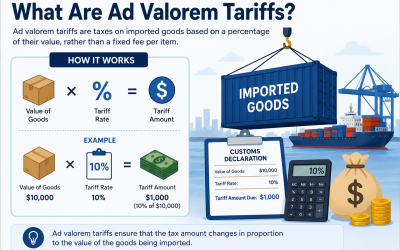
- Understand Tariffs and Taxes: Be aware of any tariffs, taxes, or customs fees for international shipments. Proper documentation and compliance can help avoid unexpected costs.
- Choose the Right Service: Select the air service that best fits your needs. Different services offer varying levels of speed and cost. Choose a service that balances both for your specific requirements.
- Use a Reliable Freight Partner: Work with a trusted freight partner like MyCargoGate. Our expertise and connections allow us to provide cost-effective and efficient air solutions tailored to your business.
Conclusion
In short, air freight is the best way to move goods because it’s fast, reliable, and offers excellent service.
Shippers can address problems with a clear strategy and confidence if they learn key skills like determining the chargeable weight, understanding detailed costs, and distinguishing between service levels.
Air freight costs more than shipping by sea, but it’s more than just a way to send things because it gets there faster, has reliable schedules, and lets you track your package the whole way. This is a very important investment, especially for urgent shipments where every hour counts in order to stay ahead of the competition.
Ssfeshipping is ready to be your trusted air freight partner if you want to improve your supply chain and make shipping easier. Call our friendly staff today and let us take care of all your air freight needs.
FAQ'S
What are the advantages of air freight?
Air freight offers a swift and reliable way to ship your goods—significantly faster than sea shipping, while still delivering to nearly any destination worldwide. Every item is handled with care in a controlled environment, helping to minimize the risk of damage or loss. Plus, the speed of air freight enables businesses to manage inventory more efficiently, reduce warehousing costs, and respond more flexibly to changing market conditions.
How long does air freight from China take?
Air freight from China usually takes 3 to 10 days—it depends on the route, how smoothly customs go, and which air shipping service you choose.
Is air freight cheaper than shipping?
Air freight offers faster delivery at a higher cost, making it ideal for urgent or high-value shipments, while ocean freight is more cost-effective for large, heavy cargo that is less time-sensitive. Both methods serve different purposes.
When should I choose air freight?
- Urgency is critical: Time-sensitive goods—such as perishables, pharmaceuticals, or deadline-driven shipments—benefit greatly from air freight’s speed.
- Cargo value is high: For high-value items like electronics, jewelry, or artwork, air freight’s cost is often justified by lower risk of damage/theft and faster delivery.
- Specialized handling is required: Air freight excels for perishables, fragile items, or temperature-sensitive cargo.
- Destinations are remote or hard to reach: When shipping to areas with limited road, rail, or sea access, air freight is often the only timely option.
- Security is a priority: Air freight offers enhanced security—ideal for high-risk or sensitive cargo.