
Shipping Rates from China to US:
Complete 2026 Cost Guide
Shipping between China and the Canada includes some of the busiest trade lanes in the world. From consumer electronics and apparel to furniture and auto parts, billions of dollars worth of goods cross the Pacific each year. For businesses of all sizes—whether you’re a large importer or a small e-commerce seller—understanding shipping rates from China to Canada is critical to maintaining profitability and competitiveness.
But here’s the catch: shipping costs aren’t static. They fluctuate based on fuel prices, seasonal demand, global events, and even port congestion. That’s why it’s essential to stay updated on current rates, available options, and strategies for cost savings.
In this guide, we’ll break down everything you need to know about shipping rates from China to Canada in 2026—including cost comparisons by mode, hidden fees to watch out for, and tips to reduce your expenses.
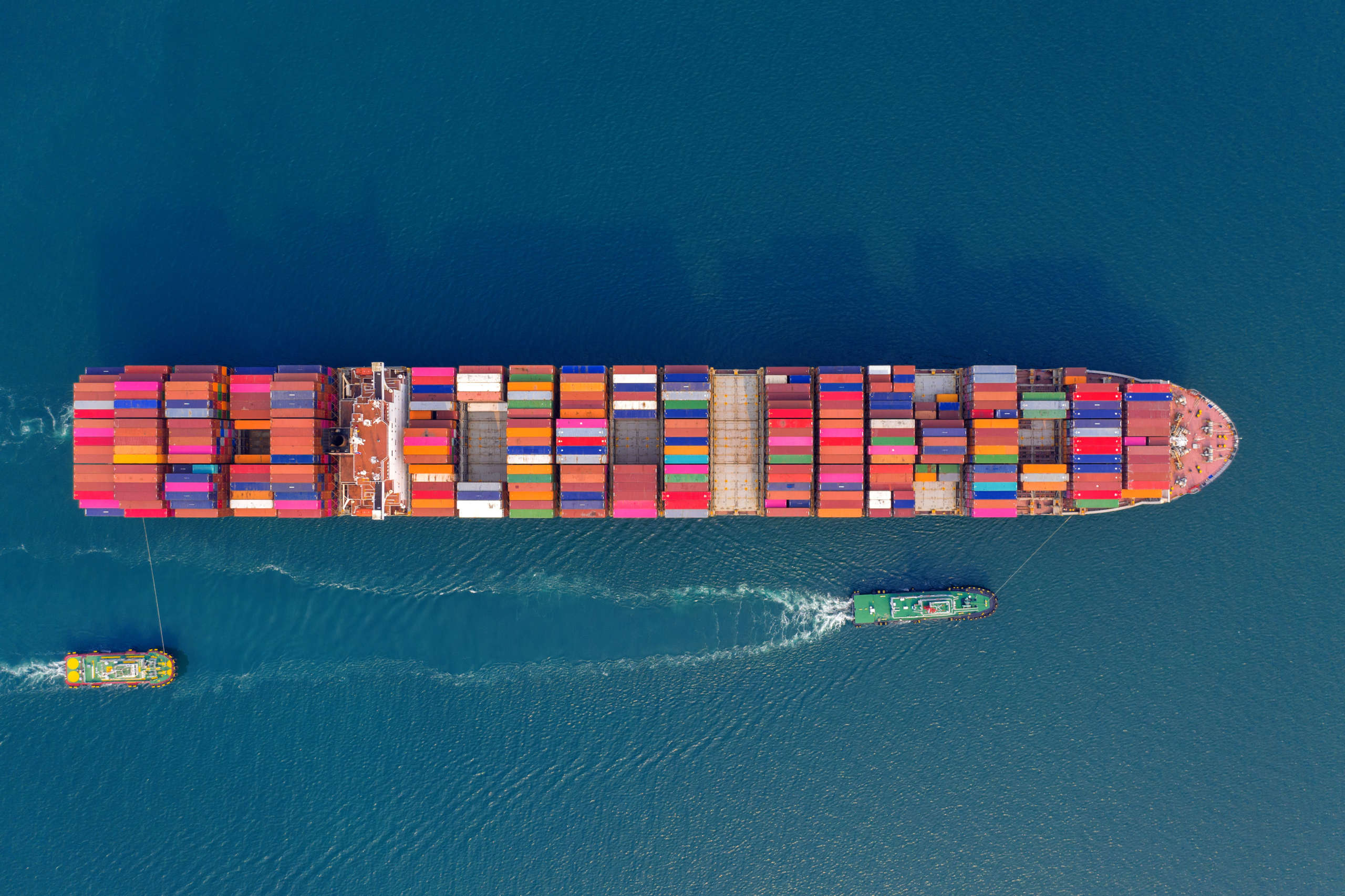
Ocean Freight Rates from China to Canada
Your shipping cost from China to Canada by sea depends a lot on the destination port you choose. West Coast destinations like Vancouver are usually cheaper and faster than East Coast ports like Montreal or Halifax, since the ocean route is shorter and requires less transit time.
FCL (Full Container Load) Costs
LCL (Less Container Load) Costs
For smaller shipments, LCL is more cost-effective. Rates are usually calculated by cubic meters, starting around $65–$100 per CBM. However, additional handling fees can make LCL less predictable than FCL.
Transit Times and Port Options
- West Coast (Vancouver): 15–20 days from Shanghai.
- East Coast (Montreal, Halifax): 25–35 days due to longer ocean routes and inland transfer.
- Central inland destinations (Toronto area via rail/truck from port): around 28–38 days.
Air Freight Rates from China to Canada
Air freight is the go-to solution when speed matters more than cost.
Standard Air Freight Pricing
Standard air freight averages $5–$8 per kilogram in 2025. Costs fluctuate based on shipment size, weight, and fuel surcharges.
Express Courier Services (DHL, UPS, FedEx)
Express services are faster—often 3–5 days door-to-door—but costlier. Rates typically range between $8–$12 per kilogram, making them suitable for small, urgent shipments like electronics or samples.
Air Cargo Weight and Volume Considerations
Air freight is calculated by chargeable weight (whichever is greater between actual weight and volumetric weight). Oversized packages can quickly increase costs.
U.S. Trucking Rates After China Shipments
After customs clearance and handling, your average domestic trucking costs should look something like this :
| Distance Range | Average Cost (USD) |
|---|---|
| Short Haul (<200 mi) | $300 – $600 |
| Medium Haul (200–500 mi) | $600 – $1,200 |
| Long Haul (500+ mi) | $1,200 – $2,500 |
Comparing Shipping Modes: Cost vs. Speed
| Mode | Average Cost (2026) | Transit Time | Best For |
|---|---|---|---|
| Ocean Freight (FCL) | $3,500–$6,000 per container | 15–35 days | Bulk goods, cost savings |
| Ocean Freight (LCL) | $50–$80 per CBM | 20–40 days | Small to mid-sized shipments |
| Air Freight | $5–$8 per kg | 5–10 days | Medium urgency |
| Express Courier | $8–$12 per kg | 3–5 days | Small, urgent parcels |
| Rail Freight (limited) | $3–$5 per kg | 20–25 days | Alternative routes |
Hidden Costs of China to Canada Shipping Explained
- Destination terminal handling charge (DTHC) — typically US$300–$600 per container
- Drayage — port or rail terminal to your warehouse, typically $250–$500 per container in the GTA, comparable in Vancouver and Montreal
- Customs brokerage — $150–$350 per entry depending on complexity
- CBSA duties and GST/HST — calculated on CIF value × applicable duty rate
- Chassis fees — if your drayage carrier doesn’t own its chassis
- Demurrage < — charged when your container sits at the terminal past the free-time window (typically 3–5 days). Rates run $150–$300/day per container and escalate fast.
- Detention — charged when chassis or containers stay at your facility too long
- Per diem fees — ocean carrier charge for every day the empty container isn’t returned
Even solid quotes can miss demurrage and detention items. Confirm them before you book — chassis days can add up fast if a terminal appointment slips.
Key Ports for China-U.S. Trade
While Shanghai and Los Angeles dominate this lane, importers often work with nearby or alternative ports depending on carrier schedules, congestion, or costs. Below are the top ports in China and the U.S. relevant to the Shanghai–Los Angeles trade corridor.
Top Ports in China
| Port | Volume | Significance |
|---|---|---|
| Port of Shanghai (CNSHA) | Handled 47 million TEUs in 2023 | • World’s largest container port • Direct, high-frequency sailings to Los Angeles and Long Beach |
| Port of Ningbo-Zhoushan (CNNGB) | ~35 million TEUs annually | • Key backup option when Shanghai faces congestion • Major exports: machinery, textiles, electronics |
| Port of Shenzhen (CNSZX) | ~30 million TEUs | • Strategically located near Hong Kong, serving southern China • Major exports: electronics and consumer goods |
| Port of Qingdao (CNTAO) | ~25 million TEUs | • Leading port in northern China, serving Shandong province • Strong connections for bulk goods & chemicals |
| Port of Guangzhou (CNCAN) | ~24 million TEUs | • Southern hub for furniture, auto parts, and textiles • Modern facilities with growing international links |
Top Ports in the United States
| Port | Volume | Significance |
|---|---|---|
| Port of Vancouver (CAVAN) | ~3.4 million TEUs annually | • Main gateway for Asia–Canada trade (especially China) • Handles majority of imports to Western Canada |
| Port of Prince Rupert (CAPRR) | ~1.2 million TEUs annually | • Closest North American port to Asia • Strong rail links to central Canada and US Midwest |
| Port of Montreal (CAMTR) | ~1.8 million TEUs annually | • Key entry for Ontario and Quebec markets • Excellent rail access to Toronto and US Northeast |
| Port of Halifax (CAHAL) | ~0.5 million TEUs annually | • Handles Europe–Canada and Asia via Panama Canal routes • Efficient access to Eastern Canada and US East Coast |
Why These Ports Matter
- China’s Ports:Offer multiple gateway options for exporters depending on production location and carrier availability.
- Canada ports:Provide importers flexibility—most goods from Shanghai flow through Vancouver or Prince Rupert, while East Coast ports like Montreal or Halifax are used mainly to serve Eastern Canada or reach inland markets more efficiently, especially when routing or transit time matters.
Step-by-Step:
How to Get Your Shipment from Shanghai to Los Angeles
1. Customs Requirements
- Classify goods under the correct HS code
- File necessary import documents (Commercial Invoice, Packing List, Bill of Lading)
- Pay duties and taxes
2. Choosing Incoterms
3. Partnering with a Freight Forwarder
Working with an experienced forwarder like Ssfeshipping ensures:
- Negotiated rates with carriers
- End-to-end logistics management
- Assistance with compliance and customs
4. Tracking Shipments
Use Ssfeshipping 360, our digital platform, to:
- Monitor cargo in real-time
- Get automated updates on ETA & delays
- Streamline communication across your supply chain
Tariffs and Duties on China–Canada Shipments
Tariffs are a major factor in the true landed cost of goods shipped from China to Canada Beyond freight, importers must plan for duties, fees, and sometimes additional trade-related tariffs.
1. Goods and Services Tax (GST)
GST is a 5% value-added tax levied by the federal government for most goods and services sold or provided in Canada, including imported goods. GST applies to most transactions in Canada, including those that occur across provincial and territorial borders.
2. Provincial Sales Tax (PST)
3. Harmonized Sales Tax (HST)
U.S. Tariffs on Chinese Goods in 2026
| Tariff Layer | Rate | Coverage |
|---|---|---|
| MFN (Most Favored Nation) | 0 – 20% | Standard rate based on HS code; applies to all imports |
| Section 301 — List 1 | 25% | ~$34B of industrial/tech goods (mach, electrical, medical) |
| Section 301 — List 2 | 25% | ~$16B of goods (chemicals, plastics, railway) |
| Section 301 — List 3 | 25% | ~$200B of goods (furniture, textiles, electronics, food) |
| Section 301 — List 4A | 7.5% | ~$120B of goods (consumer electronics, apparel, footwear) |
| Section 122 baseline | 10% | Applies to nearly all imports, including from China |
| Section 301 — EV/battery/solar | 100% (EVs), 25–50% | Electric vehicles, batteries, solar cells, critical minerals |
| De minimis elimination | Full duty on all | No more $800 exemption for Chinese parcels |
How to Get the Best Shipping Rates from China to Canada
- Ship during off-peak seasons: Q1 (January–March) and early Q2 typically offer the lowest ocean freight rates. Avoid booking during the pre-holiday rush (August–October) when rates spike 40–80%. If your supply chain allows, shift production and shipping schedules to take advantage of seasonal dips.
- Use a freight forwarder for rate access: Freight forwarders consolidate volume from hundreds of shippers, giving them access to contract rates 15–30% lower than what individual shippers can negotiate directly with carriers. A good freight forwarder shops your shipment across multiple carriers to find the best rate-transit time combination.
- Commit to consistent volume: If you ship regularly, negotiate an annual volume contract with your forwarder. Committing to a minimum number of containers per month or quarter gives you rate stability and priority space allocation — critical during peak season when spot bookings get rolled (delayed).
- Optimize your container utilization: A half-empty container is wasted money. Use our CBM Calculator to calculate how many cartons fit in a container. Work with your supplier to adjust carton sizes and pallet configurations to maximize container utilization. Even a 5% improvement in utilization saves hundreds of dollars per container.
- Be flexible on port selection: Rates to secondary ports can be 15–25% cheaper than major hubs. For example, shipping to Savannah instead of New York, or to Oakland instead of Los Angeles, may offer savings if inland transportation costs don’t offset the difference.
- Book early and provide accurate cargo details: Last-minute bookings pay spot rates (premium). Book 2–3 weeks in advance for FCL and 1–2 weeks for LCL. Provide accurate weight and dimensions — carriers penalize discrepancies with VGM (Verified Gross Mass) corrections of $150–$300.
What Determines Ocean Freight Rates?
Distance and Trade Routes
The U.S. is a huge country, and shipping costs vary depending on the port of arrival. For instance, shipments to West Coast ports like Los Angeles or Long Beach are typically cheaper and faster than those to East Coast ports such as New York or Savannah, which require longer sailing times through the Panama Canal.
Shipping Mode (Air, Ocean, Express, Rail)
The mode of transport you choose plays the largest role in determining rates:
- Ocean freight: Most economical for bulk shipments, but slower.
- Air freight: Faster but significantly more expensive.
- Express courier services: Best for small, urgent shipments.
- Rail freight: Limited but emerging option via China-Europe-US connections.
Seasonal Demand and Peak Seasons
Shipping costs rise during peak seasons such as the months leading up to Christmas and Chinese New Year. Importers often face rate surges due to container shortages and high demand.
Tariffs, Customs, and Duties
Trade policies and tariffs—especially those imposed during U.S.-China trade tensions—can dramatically affect total landed costs. Businesses must account for import duties and customs clearance fees on top of shipping charges.
Fuel Prices and Surcharges
Bunker fuel costs directly impact ocean freight rates, while jet fuel affects air freight pricing. Many carriers apply surcharges when fuel prices fluctuate significantly.
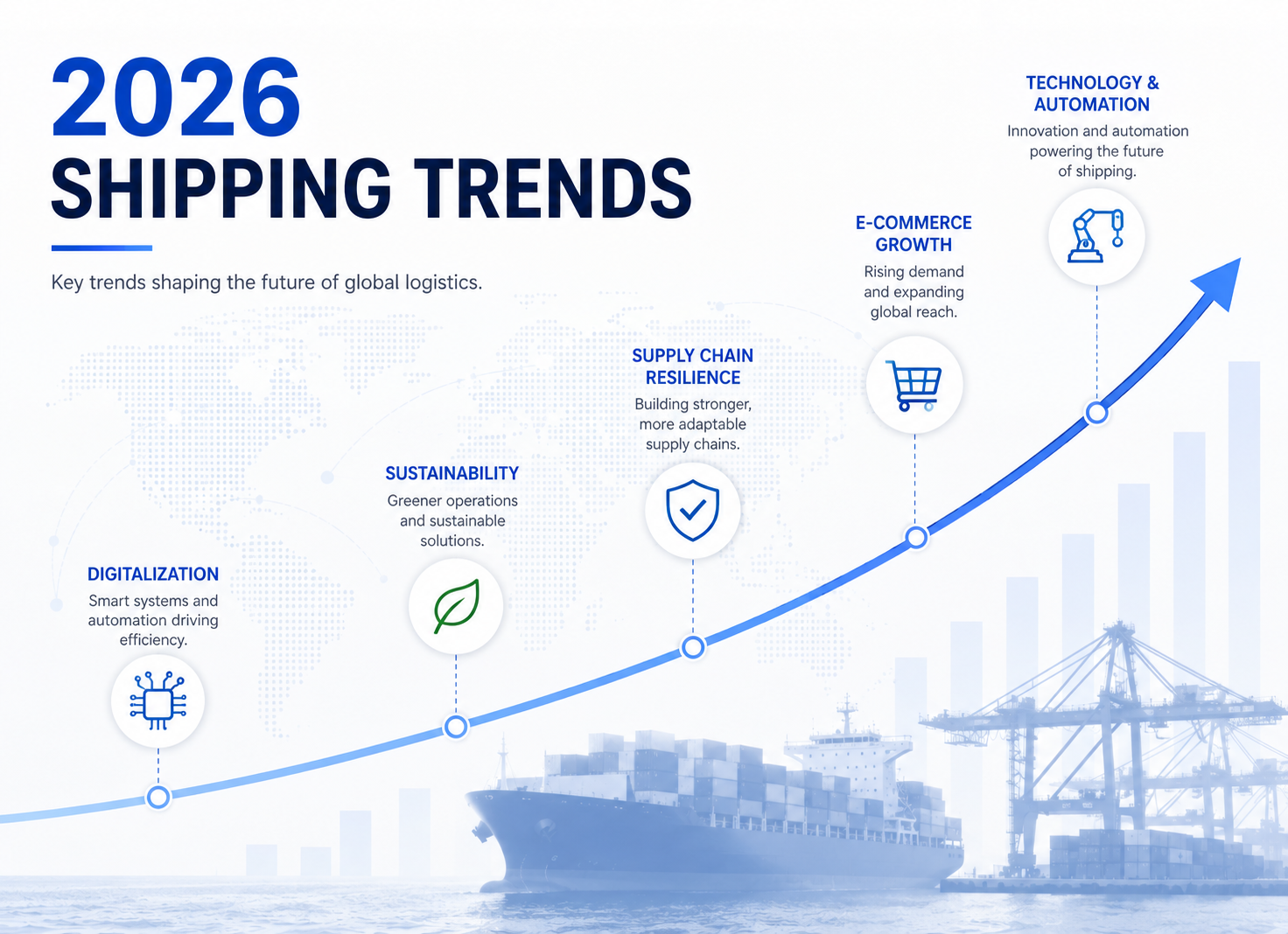
2026 Shipping Trends: What to Expect
Global Trade Policies
U.S.-China trade relations will continue to influence tariffs and duties. Staying updated on policy changes is critical.
Impact of E-commerce Growth
With cross-border e-commerce booming, small parcel volumes are driving demand for air and express services.
Sustainability in Shipping
Carriers are adopting greener practices, from low-sulfur fuels to carbon-neutral programs, which may affect pricing.
Frequently Asked Questions
How much does it cost to ship a container from China to the USA?
How long does it take to ship from China to the US?
- Express: 1-5 days.
- Air freight: 3-7 days.
- Sea freight to West Coast: 12-18 days.
- Sea freight to East Coast: 25-35 days.
Add 3-7 days for customs clearance on each end.
Is the de minimis exemption still available for Chinese goods?
No. As of 2025, the $800 de minimis exemption (Section 321) was eliminated for goods shipped from China. All Chinese imports, regardless of value, now require formal customs entry, duty payment, and a customs broker. This significantly impacts e-commerce sellers and direct-to-consumer brands sourcing from China.
What documents are required to ship from China to the USA?
Freight Shipping between China and the US is a high-volume route. To import from China to the US, the necessary documents include the bill of lading, commercial invoice, packing list, importer security filing (ISF or “10+2” ), certificate of origin, arrival notice, and customs bond. The specific documents required may vary depending on the nature of the cargo.
What is an ISF filing, and why is it important?
Products shipped from China to the US must be accompanied by an Import Security Filing (ISF). This filing informs US Customs and Border Protection (CBP) about the goods being imported into the country, with the aim of improving security and preventing smuggling. For companies that want to avoid customs delays or fines, this is a vitally important requirement.
How can I reduce shipping costs from China to the USA?
You can cut costs by:
- Choosing the right mode: Use sea freight for large shipments, air/courier for urgent or smaller loads.
- Consolidating shipments: Combine multiple orders into one to save on container space.
- Optimizing packaging: Reduce volumetric weight by minimizing empty space.
- Working with a freight forwarder: They can negotiate better rates and simplify customs clearance.
- Planning ahead: Avoid peak season surcharges by shipping early.
What is the cheapest way to ship goods from China to the USA?
Why are ocean freight rates different for West Coast vs East Coast?
How much does it cost to ship a 40ft container from China to the USA?
A 40ft container from China to the U.S. West Coast costs $3,000–$5,500 in Q2 2026. To the East Coast, expect $4,200–$7,200. Rates vary by origin port (Shanghai, Shenzhen, Ningbo), destination port, carrier, and season. Peak season (August–October) rates are 40–80% higher than off-peak.