The U.S. West Coast is home to some of the busiest—and most important—shipping ports in the world, acting as the main entry points for trade across the Pacific. Big ports like Los Angeles, Long Beach, Oakland, Seattle, and Tacoma handle a huge chunk of the country’s container cargo. Among them, the Port of Los Angeles and the Port of Long Beach—often called the “San Pedro Bay Port Complex”—together process over 15 million TEUs every year, making this combo the largest port complex in the U.S.
These West Coast ports have long-standing, solid trade ties with major Asian economies—think China, Japan, South Korea, and Vietnam. In particular, much of the stuff we import into the U.S. comes in containers directly from China. And because they’re so much closer to Asia, West Coast ports usually get shipments here faster than East Coast ones—so if timing really matters, they’re often the go-to choice.
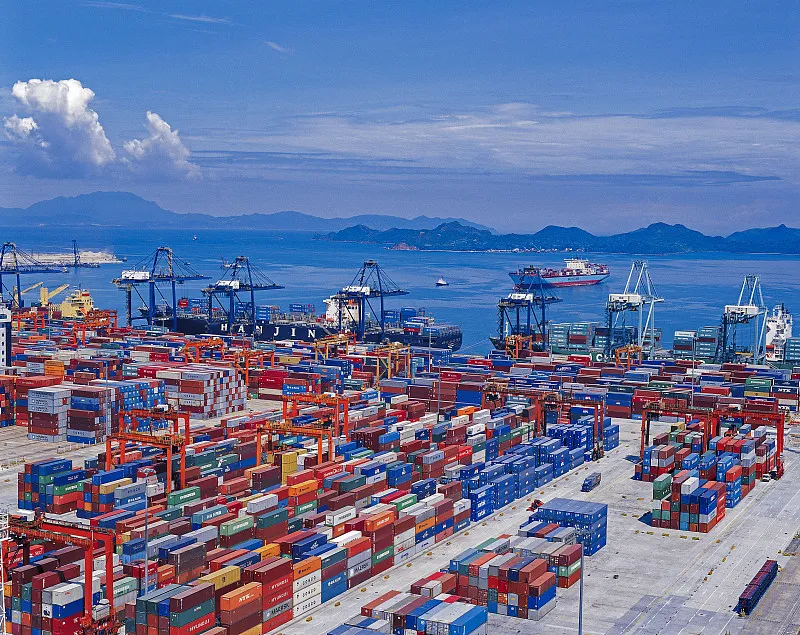
Importance of West Coast Ports in North America
West Coast ports are basically the go-to spots for shipping stuff across the Pacific to North America. Since they’re the main entry point for trade between Asia and North America, goods get here faster than they would on the East Coast—so if you’re moving time-sensitive stuff like electronics, cars, or retail goods, these ports are usually the first choice.
Right now, they handle over a third of all container traffic in the U.S., and they’re hooked up tight with major rail lines and highways that stretch deep into the country—making it super easy to get goods moving across North America.
Key Points
- Trans-Pacific Trade Hub: Direct access to Asia’s major manufacturing centers—your trusted gateway for North American imports and exports.
- Shipping Time: 7–12 days faster than East Coast ports—accelerating time-to-market.
- High Throughput: LA and Long Beach Ports handle >30 million TEUs annually—over one-third of U.S. container volume.
- Comprehensive Inland Network: Fully integrated with BNSF, Union Pacific, and the national highway system—ensuring fast, reliable North American distribution.
- Economic & Employment Impact: Supports millions of jobs and hundreds of billions in trade—driving North America’s economic growth.
- Digital Management: Smart digitization and real-time monitoring—delivering responsive, efficient logistics.
- Green & Low-Carbon: Building zero-emission corridors for sustainable, resilient, future-ready supply chains.
Port of Los Angeles — The Busiest Port in the US
The Port of Los Angeles is the biggest container port in the U.S.—and a huge freight hub for the whole West Coast and the country. It moves over 10 million shipping containers every year and links up with major global trade routes.
Key Advantages:
- Ranked first in the United States in terms of container throughput—supported by highly robust and operationally reliable cargo handling capabilities.
- Provides direct, well-established maritime shipping links to major Asian manufacturing centers via an extensive and adaptable network of shipping routes.
- Features a mature, integrated multimodal inland transportation system—including rail and road networks—that ensures seamless and efficient hinterland connectivity.
- Equipped with state-of-the-art infrastructure, including advanced cargo handling equipment and high-capacity, technologically enabled terminals.
Port of Long Beach — Southern California’s Logistics Hub
Situated adjacent to the Port of Los Angeles, the Port of Long Beach ranks as the second-largest container port in the United States. Collectively, the Ports of Long Beach and Los Angeles constitute the largest port complex in North America.
Key Advantages:
- Handles around 8–9 million TEUs every year—thanks to big terminals and smooth, efficient operations.
- A real leader when it comes to green ports: pushing hard on sustainability, clean energy, and low-carbon logistics.
- Super-connected inland network—think major rail lines (Class I) plus a tight web of interstate highways—for fast, dependable cargo moves.
- Versatile handling for containers, breakbulk, and wheeled vehicles.
Port of Oakland — Northern California’s Major Port
The Port of Oakland serves as a strategically vital maritime hub in the San Francisco Bay Area and functions as a critical gateway for international trade—supporting both exports from, and imports to, Northern California and its adjacent inland agricultural regions.
Key Advantages:
- Northern California’s largest container port, handling ~2.2–2.4 million TEUs annually.
- A top exporter of premium agricultural goods—wine, tree nuts, and fresh fruit—capitalizing on regional agribusiness strengths.
- Features fully integrated cold chain infrastructure for reliable, temperature-controlled transport of perishables and time-sensitive cargo.
- Strategically located near major rail and highway networks, serving as a vital logistics link to the Midwest and beyond.
Port of Seattle and Tacoma (The Northwest Seaport Alliance), Washington
Key Advantages:
- Annual container throughput of approximately 1.8–2 million TEUs, supported by robust and efficient handling capabilities.
- Extensive service coverage across major Asian markets, including China, Japan, and South Korea.
- State-of-the-art port infrastructure designed to support both containerized and bulk cargo operations—ensuring smooth, safe, and sustainable logistics solutions.
List of West Coast U.S. Ports
| Port Name | Port Code | Country/Region Code | Shipping Routes | Features |
|---|---|---|---|---|
| Port of Los Angeles, CA | USLSA | US | West Coast, Asia | The largest container port in the U.S., handling over 9 million TEUs annually |
| Port of Long Beach, CA | USLGB | US | West Coast, Asia | Together with Los Angeles, forms the “San Pedro Bay Port Complex” |
| Port of Oakland, CA | USOAK | US | West Coast, Asia | The third-largest container port on the U.S. West Coast |
| Port of Seattle, WA | USSEA | US | West Coast, Asia, Canada | Forms the Northwest Seaport Alliance with the Port of Tacoma |
| Port of Tacoma, WA | USTAC | US | West Coast, Asia | Primarily handles imports from Asia |
| Port of Portland, OR | USPLD | US | West Coast, Asia | A multimodal transport hub, also handles agricultural exports |
Conclusion
The big ports on the U.S. West Coast are basically the go-to hubs for trade between the U.S. and Asia—and the rest of the Pacific Rim. Thanks to super-modern container terminals, deep-water channels, and robust logistics setups, places like the Port of Los Angeles, the Port of Long Beach, the Port of Oakland, and the Port of Seattle-Tacoma keep leading the pack when it comes to container movement, driving local economies, and carrying serious strategic weight.
Whether you’re shipping farm goods, raw materials, heavy equipment, or your latest e-commerce haul—picking the right container port can really speed things up, save you money, and keep everything running smoothly. If your business is looking to grow its supply chain across North America, teaming up with a freight forwarder who knows their stuff—and choosing the port that best fits your route—is a total no-brainer for long-term success in the global supply chain.