
Shipping Rates from China to US: Complete 2026 Cost Guide
If you want to quickly and accurately estimate shipping costs from China to USA, it is important to know the main factors that affect the price. As of July 2026, shipping rates from China to North America's West Coast were $6,687.40 per full container unit (FEU); rates to the East Coast were $8,634.80 per full container unit (FEU). However, shipping costs aren’t static. They fluctuate based on fuel prices, seasonal demand, global events, and even port congestion. That’s why it’s essential to stay updated on current rates, available options, and strategies for cost savings.
In this guide, we’ll break down everything you need to know about shipping rates from China to US in 2026—including cost comparisons by mode, hidden fees to watch out for, and tips to reduce your expenses.
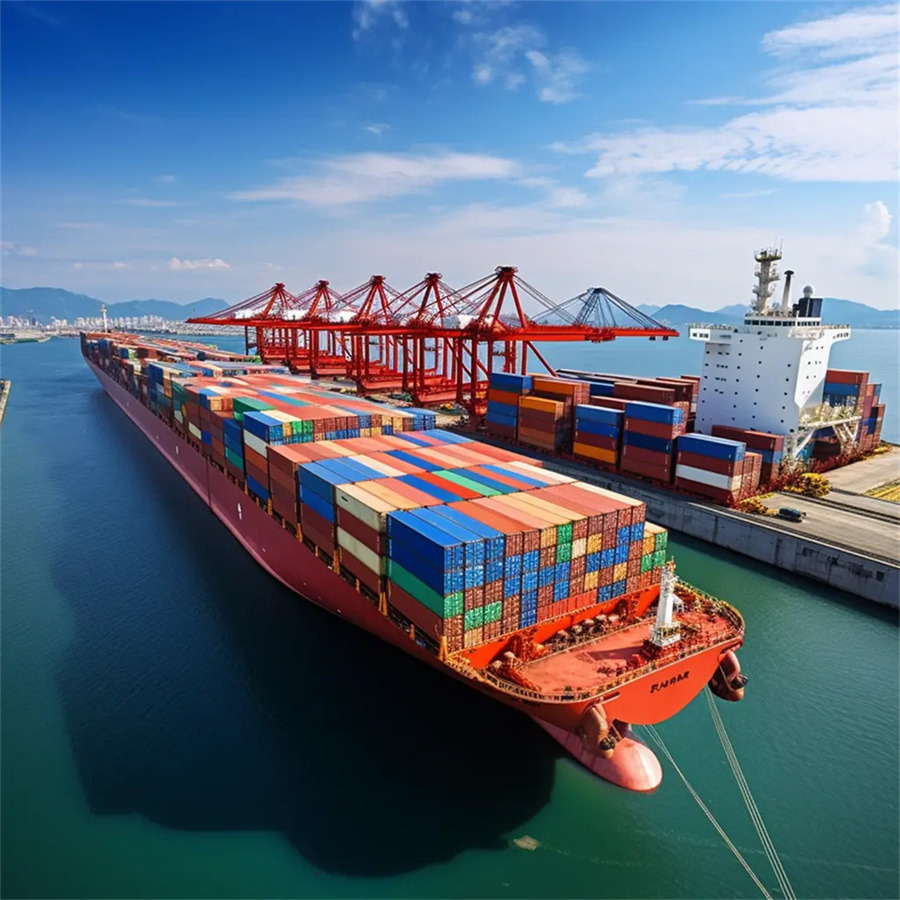
China to US Shipping Rates in 2026
Departure Port
Destination Port
CNTR Size
Price
Transit time
 Shanghai (CNSHA)
 Los Angeles (USLAX)
20FT | 40FT/HQ
$4,915 | $6,265
14–18 days
Shanghai (CNSHA)
Long Beach (USLGB)
20FT | 40FT/HQ
$4,915 | $6,265
14–18 days
Shanghai (CNSHA)
Seattle (USSEA)
20FT | 40FT/HQ
$5,218 | $6,315
18–24 days
Shanghai (CNSHA)
New York (USNYC)
20FT | 40FT/HQ
$6,145 | $7,813
18–24 days
Shanghai (CNSHA)
Savannah (USSAV)
20FT | 40FT/HQ
$62,10 | $7,989
32–40 days
Shanghai (CNSHA)
Norfolk (USORF)
20FT | 40FT/HQ
$5,187 | $7,596
31–39 days
Shanghai (CNSHA)
Charleston (USCHS)
20FT | 40FT/HQ
$6,584| $7,395
32–40 days
Ningbo (CNNGB)
Los Angeles (USLAX)
20FT | 40FT/HQ
$5,651 | $6,246
15–20 days
Ningbo (CNNGB)
Long Beach (USLGB)
20FT | 40FT/HQ
$5,651 | $6,246
15–20 days
Ningbo (CNNGB)
Oakland (USOAK)
20FT | 40FT/HQ
$5,813 | $6,861
32–42 days
Ningbo (CNNGB)
Seattle (USSEA)
20FT | 40FT/HQ
$5,560 | $6,581
32–42 days
Ningbo (CNNGB)
New York (USNYC)
20FT | 40FT/HQ
$6,863 | $7,645
31–40 days
Ningbo (CNNGB)
Savannah (USSAV)
20FT | 40FT/HQ
$6,840 | $7,912
32–42 days
Ningbo (CNNGB)
Norfolk (USORF)
20FT | 40FT/HQ
$6,654 | $7,883
32–40 days
Ningbo (CNNGB)
Charleston (USCHS)
20FT | 40FT/HQ
$6,931 | $7,845
32–40 days
Ningbo (CNNGB)
Houston (USHOU)
20FT | 40FT/HQ
$6,715 | $7,917
32–40 days
Qingdao (CNTAO)
Los Angeles (USLAX)
20FT | 40FT/HQ
$5,412 | $6,478
16–22 days
Qingdao (CNTAO)
New York (USNYC)
20FT | 40FT/HQ
$7,065 | $8,417
31–40 days
Xiamen (CNXMN)
Los Angeles (USLAX)
20FT | 40FT/HQ
$6,063 | $6,955
17–23 days
Yantian (CNYTN)
Los Angeles (USLAX)
20FT | 40FT/HQ
$6,063 | $6,417
17–23 days
Yantian (CNYTN)
Long Beach (USLGB)
20FT | 40FT/HQ
$5,461 | $6,344
15–20 days
Yantian (CNYTN)
Oakland (USOAK)
20FT | 40FT/HQ
$5,667 | $7,261
18–25 days
Yantian (CNYTN)
Tacoma (USTIW)
20FT | 40FT/HQ
$5,614 | $6,572
18–25 days
Yantian (CNYTN)
New York (USNYC)
20FT | 40FT/HQ
$6,880 | $7,869
32–40 days
Yantian (CNYTN)
Savannah (USSAV)
20FT | 40FT/HQ
$6,914 | $7,929
33–40 days
Yantian (CNYTN)
Norfolk (USORF)
20FT | 40FT/HQ
$6,936 | $7,961
33–40 days
Yantian (CNYTN)
Charleston (USCHS)
20FT | 40FT/HQ
$6,961 | $7,974
33–42 days
Yantian (CNYTN)
Houston (USHOU)
20FT | 40FT/HQ
$6,831 | $7,894
30–40 days
Ocean Freight Rates from China to US
Your shipping cost from China to the United States by sea depends a lot on the destination port you choose. West Coast destinations like Los Angeles or Long Beach are usually cheaper and faster than East Coast ports like New York or Savannah, since the ocean route is shorter and requires less transit time.
FCL (Full Container Load) Costs
FCL shipping is ideal when you're moving large quantities. A 20-foot container typically ranges from $2,000–$3,500, while a 40-foot container may cost between $3,300–$5,500 in June 2026, depending on the route and market conditions.
LCL (Less Container Load) Costs
For smaller shipments, LCL is more cost-effective. Rates are usually calculated by cubic meters, starting around $90–$180 per CBM. However, additional handling fees can make LCL less predictable than FCL.
Air Freight Rates from China to US
Air freight is the go-to solution when speed matters more than cost.
Standard Air Freight Pricing
Standard air freight averages $6–$12 per kilogram in 2026. Costs fluctuate based on shipment size, weight, and fuel surcharges.
Express Courier Services (DHL, UPS, FedEx)
Express services are faster—often 3–5 days door-to-door—but costlier. Rates typically range between $10–$15 per kilogram, making them suitable for small, urgent shipments like electronics or samples.
Air Cargo Weight and Volume Considerations
Air freight is calculated by chargeable weight (whichever is greater between actual weight and volumetric weight). Oversized packages can quickly increase costs.
Comparing Shipping Modes: Cost vs. Speed
After customs clearance and handling, your average domestic trucking costs should look something like this :
| Mode | Transit Time | Average Cost (June 2026) | Best For |
|---|---|---|---|
| Ocean LCL | 30–42 days | $80–$180/CBM | 1–15 CBM, cost-sensitive |
| Ocean FCL 20ft | 28–38 days | $2,000–$3,500 | 15–28 CBM, regular volume |
| Ocean FCL 40ft | 28–38 days | $3,300–$5,500 | 28+ CBM, high-volume sellers |
| Air express | 5–8 days | $10–$15/kg | High-value, time-critical restocks |
| Sea-air hybrid | 18–22 days | $6–$12/kg | Middle ground for seasonal launches |
How to Save on Shipping from China to USA
When it comes to shipping, there’s no “one-size-fits-all” price. Your total cost depends on several moving parts — and understanding them helps you avoid surprises and choose the most cost-effective option.
Standard Air Freight Pricing
Whether you ship by air freight, sea freight, express couriers, or rail + truck combos, the choice directly impacts cost, speed, and reliability. Sea is usually cheaper but slower; air is fast but comes at a premium.
Weight & Volume
Carriers often charge based on chargeable weight — whichever is greater between the actual weight and the volumetric weight. Bulky but lightweight products may cost more than you expect.
Distance & Routes
Shipping to the East Coast vs. West Coast can make a big difference in cost and transit time. Add in factors like port congestion or detours, and rates can fluctuate further.
Incoterms
Terms like FOB, EXW, DDP, or CIF define who covers what costs (supplier vs. buyer). Not knowing your Incoterms can leave you footing unexpected bills.
Customs Duties & Tariffs
Tariffs have seen frequent updates in recent years. Factoring in the latest customs duties is essential to avoid nasty surprises at the border.
Fuel Surcharges & Peak Season Fees
From rising fuel costs to seasonal surcharges during holidays or shopping peaks, these extras can quickly add up and eat into your margins.
U.S. Tariffs on Chinese Goods in 2026
In 2026, US tariffs on Chinese goods generally range around 30% or more, depending on the product. Importers may face additional duties from Section 301 and other China-specific tariff measures, with higher rates applying to certain industries.
| Tariff Layer | Rate | Coverage |
|---|---|---|
| MFN (Most Favored Nation) | 0 – 20% | Standard rate based on HS code; applies to all imports |
| Section 301 — List 1 | 25% | ~$34B of industrial/tech goods (mach, electrical, medical) |
| Section 301 — List 2 | 25% | ~$16B of goods (chemicals, plastics, railway) |
| Section 301 — List 3 | 25% | ~$200B of goods (furniture, textiles, electronics, food) |
| Section 301 — List 4A | 7.5% | ~$120B of goods (consumer electronics, apparel, footwear) |
| Section 122 baseline | 10% | Applies to nearly all imports, including from China |
| Section 301 — EV/battery/solar | 100% (EVs), 25–50% | Electric vehicles, batteries, solar cells, critical minerals |
| De minimis elimination | Full duty on all | No more $800 exemption for Chinese parcels |
For some HS codes the stacked rate exceeds 75%. For unlisted consumer goods it can be as low as 23%. The detail matters — a single HS-code change can move a product from viable to unviable.
How to Get the Cheapest Price Possible
If you want to get the best deal on shipping from China to the USA, you've got to know how air and sea freight charges are calculated. The freight rates will be based on either the real weight, the volumetric weight or the cargo volume, depending on the shipping method and the pricing structure. So, the size of the package and the shipment have a direct impact on the final price.
Even though the difference in carton size might be just a few inches, the extra volume could mean the weight is charged for air freight or that more cargo space is needed for sea freight, leading to a much higher shipping cost. If you pick compact packaging, avoid unnecessary empty space and get the dimensions and volume right, you can really cut shipping costs by air and sea from China to the USA.
Frequently Asked Questions
How much does it cost to ship a container from China to the USA?
A 20ft container from Shanghai to Los Angeles costs $2,200–$3,800 in 2026. A 40ft box costs $3,200–$5,500. To the East Coast (New York), rates run higher: $3,000–$4,800 for 20ft and $4,500–$7,200 for 40ft. LCL rates run $45–$90 per CBM, based on the route. These rates shift with demand and season.
Why are ocean freight rates different for West Coast vs East Coast?
East Coast rates run higher because the trip is longer — 25–32 days versus 14–18 days to the West Coast — which burns more vessel time and fuel. Some services pass through the Panama Canal, adding canal fees of $100–$200 per container. That said, shipping to the East Coast can cut inland trucking costs for destinations in the eastern U.S.
What is the cheapest way to ship from China to the USA?
Over ~15 CBM, FCL ocean is usually cheapest per unit. At 1–15 CBM, LCL ocean wins only if the destination handling is tightly itemized. Under ~10 kg, discounted express usually beats air.
How to Get Better Shipping China to USA Pricing?
If you can, ship during off-peak months—February to May is usually quieter. You might save 20-30% just by avoiding the rush.
Will I pay duties or taxes when shipping to the United States of America?
Possibly. It depends on the item category, declared value, and country of origin, with specific import duties and taxes determined by U.S. Customs regulations.