
Air cargo is the fast-moving force behind modern global trade. Every urgent shipment, high-value product, and time-sensitive delivery relies on carefully managed air transportation. Whether goods are moving across a region or between continents, understanding different air cargo types helps businesses choose the right service for speed, cost, and handling requirements.
Air cargo is not limited to one type of shipment or aircraft. It includes general cargo, special cargo, live animals, perishables, mail, temperature-controlled products, and high-value goods. Different aircraft and air freight services are designed to handle these shipments safely and efficiently.
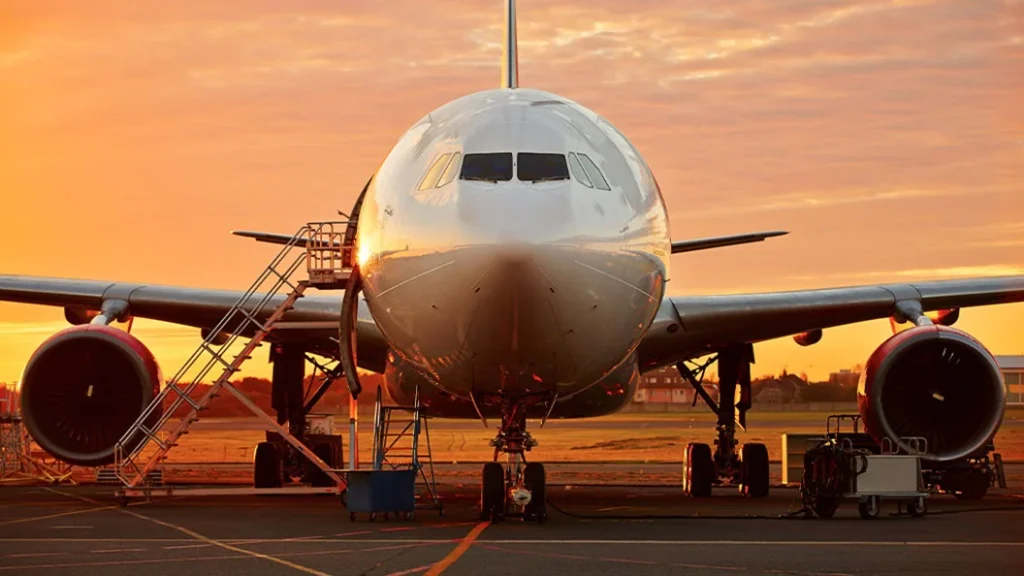
Introduction to Air Cargo
Air cargo plays an important role in international logistics by moving goods quickly through domestic and global air freight networks. Compared with sea or road transportation, air cargo generally provides faster transit times and is particularly useful when delivery speed, cargo security, or reliability is important.
Businesses commonly use air freight for urgent products, high-value goods, pharmaceuticals, electronics, perishables, and shipments that require controlled handling. Air cargo logistics can also include cargo handling, customs clearance, warehousing, consolidation, temperature-controlled transportation, and final-mile delivery coordination.
What Is Air Cargo?
Definition and Real-World Meaning
Air cargo refers to goods transported by aircraft through domestic or international air freight networks.
In simple terms, air cargo allows businesses to move products quickly from one location to another while maintaining reliable transportation and handling.
The type of cargo determines which aircraft, service, packaging, and handling procedures are required. General commercial goods may move through standard air freight, while dangerous goods, live animals, perishables, and temperature-sensitive products require specialized procedures.
Why Air Cargo Is Critical for Businesses
Slow transportation can create inventory shortages, missed sales opportunities, and production delays. Air cargo provides businesses with a faster transportation option when ocean or road freight cannot meet the required delivery schedule.
For companies handling high-value, urgent, or time-sensitive products, air freight can improve delivery reliability and supply chain responsiveness.
Air cargo also supports global sourcing, e-commerce fulfillment, manufacturing supply chains, pharmaceutical distribution, and international trade.
Core Elements of Air Cargo Logistics
Cargo Aircraft
Aircraft are the backbone of air cargo transportation. Different aircraft types provide different cargo capacities and are suited to different routes and shipment requirements.
Freighter Aircraft
Freighter aircraft are specifically designed or converted to transport cargo rather than passengers.
They typically feature reinforced floors, large cargo doors, and open cabin space for pallets, containers, oversized cargo, and heavy equipment.
Common examples include the Boeing 747 Freighter, Boeing 777F, and Airbus A330-200F. These aircraft are particularly useful for high-volume, oversized, and industrial cargo.
Wide-Body Passenger Aircraft
Wide-body passenger aircraft transport cargo in the belly hold beneath the passenger cabin.
Aircraft such as the Boeing 777, Airbus A350, and Boeing 787 operate on many long-haul international routes and provide important cargo capacity within global airline networks.
Narrow-Body Passenger Aircraft
Narrow-body aircraft are mainly used for regional and short-haul routes.
The Boeing 737 and Airbus A320 are common examples. Although their cargo capacity is smaller than wide-body aircraft, their frequent schedules and operational flexibility make them useful for regional air cargo transportation.
Different Types of Air Cargo Logistics
Standard Air Freight
Standard air freight provides a balance between shipping speed and transportation cost.
It is commonly used for:
- Electronics and consumer goods
- Manufacturing components
- Retail inventory
- Medium-priority international shipments
Standard air freight normally operates through scheduled airline networks and may involve transfers between airports depending on the destination.
Express Air Cargo
Express air cargo is designed for urgent shipments that require faster delivery and priority handling.
Common applications include:
- Medical supplies and pharmaceuticals
- Urgent business documents
- High-value electronics
- E-commerce orders
Express services may also provide integrated customs clearance, shipment tracking, and door-to-door delivery.
Charter Air Services
Charter air services involve reserving an entire aircraft for dedicated cargo transportation.
They are commonly used for:
- Industrial machinery
- Humanitarian relief cargo
- Automotive equipment
- Large project cargo
- Emergency supplies
Although charter services generally cost more than scheduled air freight, they provide greater flexibility in aircraft selection, routing, scheduling, and cargo handling.
Consolidated Air Freight
Consolidated air freight combines shipments from multiple businesses into a single cargo load.
Freight forwarders consolidate smaller shipments to improve aircraft space utilization and reduce transportation costs.
This option is particularly useful for:
- Small and medium-sized businesses
- Lower-volume shipments
- Cost-sensitive international freight
- Regular export operations
Consolidated shipments may require additional handling because cargo must be grouped and sorted before departure.
Door-to-Door Air Cargo Services
Door-to-door air cargo provides an end-to-end transportation solution from the shipper's location to the final destination.
Services can include:
- Cargo pickup and packaging
- Customs documentation
- Air freight transportation
- Warehouse handling
- Final delivery coordination
This approach simplifies international shipping because businesses do not have to coordinate every stage with separate logistics providers.
Common Air Cargo Types
Different air cargo types require different transportation conditions, handling procedures, and compliance requirements.
Airlines, freight forwarders, and airport operators classify cargo according to characteristics such as safety requirements, temperature sensitivity, product value, size, and handling needs.
General Cargo
General cargo refers to standard commercial shipments that do not require specialized handling or temperature control.
Common examples include:
- Clothing
- Textiles
- Consumer electronics
- Household products
- General commercial goods
Although general cargo does not normally require special procedures, proper packaging, labeling, and customs documentation remain essential.
Special Cargo
Special cargo requires additional handling procedures, documentation, or transportation conditions because of its characteristics.
Examples include:
- Dangerous goods
- Humanitarian relief supplies
- Medical equipment
- Oversized cargo
Special cargo may require trained personnel, specialized packaging, and compliance with international aviation safety requirements.
Live Animal Cargo
Live animal cargo involves transporting animals through carefully controlled air freight procedures.
Airlines and logistics providers must consider animal welfare, ventilation, temperature, feeding requirements, and approved transportation containers.
Because live animals require special care throughout the journey, specialized handling and documentation are essential.
Perishable Cargo
Perishable cargo consists of products with limited shelf life.
Examples include:
- Fresh seafood
- Fruits
- Vegetables
- Flowers
- Plants
Air freight is widely used for perishables because shorter transit times help maintain product quality.
Many perishable shipments also rely on cold-chain logistics to control temperature during storage, loading, transportation, and final delivery.
Mail Cargo
Mail cargo includes postal shipments and courier packages transported through commercial air cargo networks.
It supports international communication, e-commerce fulfillment, and express parcel delivery.
Airlines and logistics providers use available cargo capacity to move mail and parcels quickly between domestic and international destinations.
Temperature Controlled Cargo
Temperature-controlled cargo includes products that must remain within specific temperature ranges during transportation.
This category can include pharmaceuticals, medical products, biological materials, and other temperature-sensitive goods.
Specialized packaging, refrigerated containers, temperature monitoring, and controlled handling help maintain product quality throughout transit.
High-Value Cargo
High-value cargo includes goods with significant financial value that require enhanced security during transportation.
Examples can include valuable electronics, luxury goods, sensitive commercial products, and other high-value shipments.
Because these products face higher financial risks in the event of theft or damage, secure handling, monitoring, and appropriate packaging are particularly important.
Technology and Air Cargo Logistics
Air Cargo Management Systems
Modern air cargo relies on integrated systems that connect airlines, freight forwarders, airports, warehouses, customs authorities, and delivery providers.
These systems improve shipment visibility and help logistics teams coordinate cargo handling, documentation, transportation, and delivery.
Automation and Digital Tracking
Automation reduces manual processing and helps logistics providers manage repetitive cargo operations more efficiently.
Digital tracking also gives businesses better visibility into shipment status, allowing them to respond more quickly when delays or operational issues occur.
Temperature and Security Monitoring
Temperature-sensitive and high-value shipments require additional monitoring throughout transportation.
Tracking systems and specialized handling processes help maintain the required cargo conditions and improve supply chain visibility.
Air Cargo Logistics in Global Trade
International Shipping Challenges
International air cargo introduces additional complexity, including different customs regulations, security requirements, airport procedures, capacity constraints, and cross-border documentation.
Without effective logistics planning, these challenges can result in delays, additional handling costs, or cargo holds.
Customs Clearance and Compliance
Accurate documentation and compliance are essential for international air cargo.
Depending on the cargo type, businesses may need commercial invoices, packing lists, customs declarations, permits, certificates, or special documentation.
Special cargo such as dangerous goods, live animals, pharmaceuticals, and temperature-sensitive products can require additional compliance procedures.
Risk Management in Air Cargo
Air cargo risks can include flight disruptions, capacity shortages, weather conditions, customs delays, cargo damage, and security issues.
Proactive planning, appropriate packaging, shipment tracking, insurance, and contingency transportation options can help reduce these risks.
Benefits of Strong Air Cargo Management
Faster Delivery
Air freight is generally faster than ocean and road transportation, making it suitable for urgent and time-sensitive shipments.
Better Cargo Security
Air cargo networks provide controlled handling and security procedures, which can make air freight suitable for high-value and sensitive products.
Global Market Access
Air cargo connects businesses to international markets and allows companies to move products quickly across borders.
Flexible Shipping Options
Businesses can select from standard air freight, express services, charter aircraft, consolidated freight, and door-to-door solutions based on their requirements.
Common Air Cargo Logistics Challenges
Air cargo operations face several challenges, including high transportation costs, limited aircraft capacity, fuel price fluctuations, customs delays, strict safety regulations, and special handling requirements.
Perishable, temperature-controlled, dangerous, live animal, and high-value shipments can require additional procedures and specialized logistics infrastructure.
Managing these challenges requires accurate shipment information, appropriate packaging, reliable documentation, and experienced logistics partners.
Best Practices for Effective Air Cargo Logistics
Successful air cargo management starts with selecting the right aircraft and service based on cargo characteristics, delivery requirements, and budget.
Businesses should:
- Classify cargo correctly
- Use appropriate packaging
- Calculate weight and dimensions accurately
- Prepare customs documents in advance
- Select the right air freight service
- Track shipments throughout transit
- Plan for special handling requirements
- Maintain contingency options for urgent cargo
Continuous improvement helps businesses reduce delays, improve cargo security, and control transportation costs.
Air Cargo Logistics vs Ocean Freight
Air cargo focuses on speed, flexibility, and time-sensitive transportation, while ocean freight focuses on large-volume capacity and lower transportation costs.
Air freight is generally better suited for high-value, urgent, lightweight, and perishable cargo.
Ocean freight is usually more appropriate for heavy, bulky, and cost-sensitive shipments.
Both modes play an important role in global logistics, and many businesses use them together depending on inventory requirements and delivery schedules.
Future of Air Cargo Logistics
Digital transformation, automated cargo handling, real-time tracking, temperature monitoring, and more flexible aircraft capacity are shaping the future of air cargo.
As global e-commerce and time-sensitive supply chains continue to expand, businesses will increasingly rely on faster and more visible air freight solutions.
Companies that understand different air cargo types and match them with the right transportation services will be better positioned to manage changing logistics requirements.
Conclusion
Air cargo is no longer simply about moving goods by aircraft. It is a specialized logistics system that includes different aircraft, transportation services, cargo categories, handling requirements, customs procedures, and delivery solutions.
Understanding the difference between general cargo, special cargo, live animals, perishables, mail, temperature-controlled cargo, and high-value shipments helps businesses select safer and more efficient transportation options.
Whether you need standard air freight, express delivery, charter capacity, consolidated shipping, or door-to-door service, choosing the right air cargo solution can improve delivery speed, reduce operational risks, and strengthen global supply chain performance.
Frequently Asked Questions (FAQs)
- What are the main types of air cargo?
The main types include general cargo, special cargo, live animal cargo, perishable cargo, mail cargo, temperature-controlled cargo, and high-value cargo.
- What are the main types of cargo aircraft?
The three major categories are freighter aircraft, wide-body passenger aircraft, and narrow-body passenger aircraft.
- What is standard air freight?
Standard air freight is a scheduled transportation service that balances delivery speed and cost. It is commonly used for general commercial products, electronics, manufacturing components, and retail inventory.
- What is the difference between standard and express air cargo?
Standard air freight is designed for regular shipments where cost and speed need to be balanced. Express air cargo provides faster transit, priority handling, and more detailed tracking for urgent shipments.
- What is consolidated air freight?
Consolidated air freight combines shipments from multiple businesses into one cargo load. It is commonly used by smaller shippers and businesses looking to reduce transportation costs.
- Which air cargo is most suitable for pharmaceuticals?
Pharmaceuticals may require temperature-controlled or other specialized air cargo services depending on the product's handling and temperature requirements.
- Why is air freight used for perishable goods?
Air freight provides shorter transit times than ocean or road transportation, helping reduce the time-sensitive risks associated with products such as seafood, fruits, vegetables, flowers, and plants.
- What is door-to-door air cargo?
Door-to-door air cargo combines pickup, air transportation, customs documentation and clearance, warehouse handling, and final delivery into one logistics service.