In logistics operations, it is very important to manage your time effectively. This is because it can mean the difference between making a profit and losing money.
A common term used in this situation is “demurrage”. This is a charge for returning empty containers to a port or location after the allowed time.
This fee makes people more likely to transport containers efficiently, and it also helps to prevent port congestion.
This article will explain what demurrage charges are, how much they cost, and when they apply. Enjoy the read!
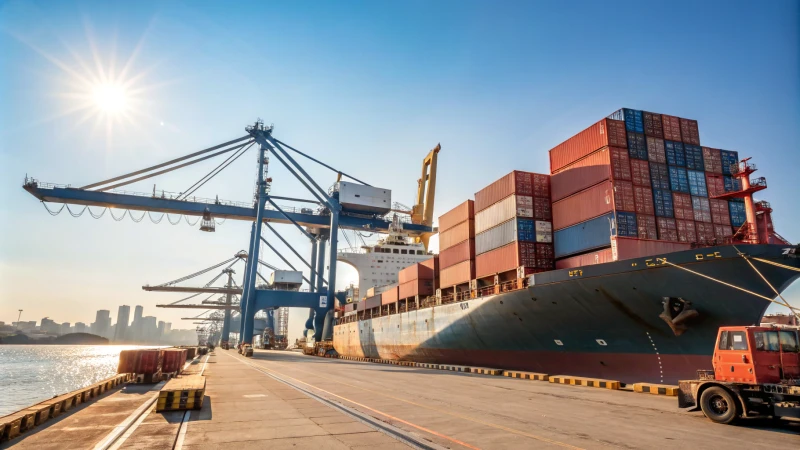
busy shipping port cargo ship
What is demurrage?
“Demurrage” is the charge made when a container stays at the port terminal for more time than allowed in the shipping contract.
But how long is this permitted period?
This is also called “free time”. It is the period after a container is unloaded from a ship, during which it can be taken out of the port without extra charges.
Once this period ends, demurrage charges begin to accrue. These accrue for the importer.
Its purpose is to compensate for the container’s continued occupation of terminal space beyond the agreed timeframe, thereby incentivizing prompt removal and helping prevent port congestion.
Additionally, demurrage helps with planning and control. This allows terminals to better manage their space and logistics resources.
Primary Causes of Demurrage Charges
Demurrage charges can arise for various reasons, usually relating to operational or administrative delays. The main reasons for imposing this penalty are listed below:
- Customs Clearance Delays: Issues with documents, slow customs inspections or non-compliance can all significantly delay the clearance process.
- Documentation Issues: If any paperwork is missing or incorrect, the container may not be released. This includes mistakes or things that are missing from import/export documents, commercial invoices, or packing lists;
- Transportation Delays: Problems like not having enough trucks or drivers, problems with picking up containers on time, or big crowds at or near ports can cause delays in moving containers from the terminal.
- Communication Breakdowns: There can be problems when shipping lines, freight forwarders, customs brokers, and carriers don’t talk to each other. This can lead to delays in removing containers within the timeframe that has been agreed upon.
- Insufficient Storage Capacity: If the importer doesn’t have enough space to store containers, or if containers build up at the port due to poor planning, extra charges will apply.
- Financial or Commercial Disputes: If there is a disagreement about payment or the business terms, this can also cause delays in releasing the container.
When does demurrage start to be charged?
There is a minimum period given to allow the importer or exporter to arrange for the container to be picked up without rushing or paying more money.
Free time generally varies according to:
- Transportation Contract: different transport lines may offer different free time periods, depending on their policies and the type of cargo.
- Port and Local Regulations: Some ports may have specific rules that also influence the duration of free time.
- Specific negotiations: In some cases, the terms of the agreement between the exporter, importer and carrier can include free time.
Once the free time expires, demurrage begins to accrue.
The fee is typically calculated on a daily or weekly basis. You will incur additional costs for each day that the container remains at the terminal after the free period.
How is demurrage calculated?
Demurrage is the amount paid for storing a container at a port after the agreed waiting period has expired.
The demurrage rate is the amount you have to pay for storing the goods. It is usually charged per day. The amount may vary depending on the port, shipping line, and contract terms.
The daily cost goes up as the number of days the container is late.
Let’s imagine that a container has been left at the port after the allowed waiting time and now has to pay extra charges for being there.
For example, if you have agreed to a five-day free time in your transport contract, you will be charged for any extra time from the sixth day.
Here is an example of how demurrage is calculated:
- You have five days of free time.
- The demurrage charge is $100 per day.
- Three days have passed.
- The total cost of the delay would be 3 days multiplied by $100 per day, or $300 in total.
Some shipping lines may apply a progressive rate, meaning that the fee increases as the delay increases. This encourages the quick removal of containers.
How can you avoid paying this fee?
- Planning and coordination: Ensure you have all the required documents for customs before the goods arrive. Work with customs brokers, freight forwarders, and carriers to make sure everything goes smoothly and quickly.
- Monitor deadlines: Keep track of when you have free time and when ships arrive and leave. Use IT systems that send you warnings and let you see what is happening as it happens.
- Quick resolution of pending issues: immediately address any pending issues that may arise, such as documentation issues or customs inspections. Having direct and efficient contact with the agents involved can speed up these processes.
- Negotiation of freight terms: When possible, negotiate longer free time periods with carriers, especially if you anticipate delays or have a history of demurrage.
- Use of technology: Implement technological solutions that optimize supply chain tracking and management, allowing you to identify and mitigate demurrage risks before they occur.
Conclusion
Companies can cut costs by learning how demurrage is calculated, what causes it, and how to prevent it. They can also make their workflows more efficient and build better relationships with ports and carriers. To avoid demurrage, companies should plan ahead, work closely with partners, and use modern technology.