In international trade, time is money, and customs clearance can make or break your business. This is the point at which your goods are legally allowed to enter the country.
If you are a business that is new to trading abroad, it is very important to understand how customs clearance works. But how does customs clearance work, and how long does it take? It’s really important to know this information. Otherwise, you might have delays, unexpected costs and the hassle of inspections.
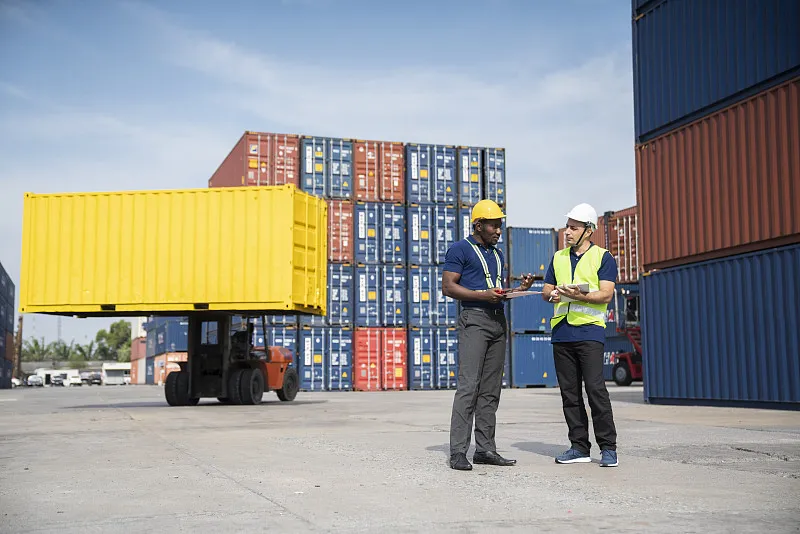
Customs Inspections and Holds
What is customs clearance?
Customs clearance is the process by which customs officials inspect and authorise the transport of goods from one country to another. Import and export trade primarily operates through this procedure.
Customs clearance procedure:
- The importer or exporter must prepare a customs declaration form. This form must contain the goods’ value and customs tariff code. It must also contain other requisite information.
- Customs Inspection: Customs officials check that the goods match the items listed on the form.
- Payment of Duties: The money you pay when you bring goods into or take goods out of the country is called customs duties. The duties depend on the type of goods, the number of goods, and their tariff code.
- Release of Goods: Once duties are paid, the goods are released from customs.
For people who import and export goods, customs clearance can be a complicated and time-consuming process. So, it’s a good idea to use a professional customs brokerage firm to handle the paperwork and make sure everything coming in and going out is properly controlled. This helps to protect the country’s economy and safety, while also generating tax revenue for the state.
What is Customs Clearance Used For?
Customs clearance is the process by which goods transported from one country to another are inspected and authorised by customs officials. Customs clearance is an important part of import and export operations.
Benefits of customs clearance:
- Protection of national security: Customs clearance helps detect goods entering the country illegally, such as weapons, drugs, and contraband. This helps to protect national security.
- Protection of the national economy: Customs clearance ensures the control of goods entering and leaving the country, preventing the entry of goods that could harm the national economy. This ensures the protection of the national economy.
- Generating revenue for the state: Customs clearance generates revenue for the state through customs duties payable on the import or export of goods. These revenues are used by the state for various services.
The customs clearance process is an important procedure for both importers and exporters. Correct and complete customs clearance ensures the smooth entry or exit of goods into or out of the country.
What is the procedure for customs clearance?
The customs declaration is one of the most important stages of the customs clearance process. The customs declaration contains information about the type of goods, quantity, customs value, customs tariff number, and other necessary details. The customs declaration is usually prepared by a customs consultancy firm.
Customs Inspection
Customs inspection is carried out to verify the accuracy of the information stated on the customs declaration. Officials examine the goods to ensure they align with the information provided. This inspection is usually carried out in a customs laboratory.
Payment of Customs Duties
Customs duties are taxes levied on the import or export of goods. The amount of customs duty payable varies depending on the type and quantity of goods, as well as the customs tariff number. They are usually paid in cash to the customs administration.
Release of Goods
After customs duties are paid, the goods are released from customs. The goods are delivered from the customs administration to the recipient.
Customs clearance procedures can be complex and time-consuming. Therefore, seeking assistance from a professional customs consultancy firm to carry out these procedures may be beneficial.
Documents required during customs clearance procedures:
- Customs declaration
- Bill of lading
- Waybill
- Certificate of origin
- Commercial invoice
- Other necessary documents
During customs clearance procedures, it is important to pay attention to the following points:
- The customs declaration must be completed correctly and in full.
- Ensuring that the goods comply with customs regulations
- Ensuring that customs duties are paid in full
Customs clearance procedures are important for the smooth execution of import and export operations. Correct and complete customs clearance ensures the smooth entry or exit of goods into or out of the country.
Documents Used in Customs Clearance
The documents used in customs clearance may vary depending on the type and quantity of goods and other provisions in customs legislation. However, the documents generally used are as follows:
The customs declaration is the most important document for customs procedures. It contains information about the type and quantity of goods, customs value, customs tariff number, and other relevant details. Customs brokerage companies usually prepare customs declarations.
- Bill of Lading: A document issued for the transportation of a product. The bill of lading contains information such as the origin and destination of the shipment, the transportation cost, the payment method, and the date of issue.
- Delivery Note: The document shows that the seller has sent the goods to the buyer. The delivery note includes information on the type of goods, the number, their weight, and the date of delivery.
- Certificate of Origin: A document showing the owner of a product. The certificate of origin indicates the country where the product was manufactured.
- Commercial Invoice: A document showing the sale of a product. The commercial invoice contains information such as the type, quantity, price, and delivery date of the goods.
- Other Documents: Depending on the type and quantity of goods and other provisions in customs regulations, additional documents may be required during the customs clearance process. For example, documents such as health or safety certificates, licenses, or permits may be required for certain products.
It is very important that these documents are prepared correctly and completely during customs procedures. It is very important that the customs declaration is completed correctly and completely to calculate customs duties correctly.
How Long Do Customs Clearance Procedures Take?
Customs clearance procedures may vary depending on the type and quantity of goods, other provisions of customs legislation, and the customs administration’s workload. In general, customs clearance procedures take less than 24 hours. However, in some cases, customs clearance procedures can take days or even weeks.
Factors affecting the duration of customs clearance procedures:
- Type of goods: Some goods may require more inspection than others. For example, goods such as food products, medicines, and dangerous goods may require more inspection.
- Quantity of goods: Customs clearance of large quantities of goods may take longer than customs clearance of smaller quantities.
- Customs regulations: Customs regulations may change from time to time. These changes can affect the duration of customs clearance procedures.
- Customs administration workload: The customs administration’s workload can affect the duration of customs clearance procedures. During periods of high workload for the customs administration, customs clearance procedures may take longer.
To shorten the duration of customs clearance procedures, it is important to pay attention to the following points:
- Start customs clearance procedures early: Starting them early can help complete them faster.
- Documents thoroughly: Preparing them correctly and completely can help complete the procedures faster.
- Maintain communication with customs authorities: This can help speed up the process.
Customs clearance procedures are an important part of import and export operations. Correct and complete customs clearance ensures the smooth entry or exit of goods into or out of the country.
Customs Clearance Fees & Charges
- Customs consultancy fee: The fee paid to a customs consultancy firm for performing customs clearance procedures. The customs consultancy fee varies depending on the complexity and duration of the customs clearance procedures.
- Customs duties: Taxes levied on the import or export of goods. Customs duties vary depending on the type and quantity of goods and the customs tariff number.
- Other fees: Other fees may also be charged during customs clearance procedures. For example, loading and unloading, storage, and laboratory fees may be charged.
- Transportation expenses: Costs incurred for transporting goods to the customs office.
- Storage expenses: Expenses incurred while goods are held at the customs office.
- Insurance costs: The costs incurred to insure the goods against damage that may occur during customs clearance.
Customs Clearance Companies for Customs Clearance?
- Experience: Customs procedures can be complex and laborious. As a result, it is very important that the Customs broker is experienced.
- expertise: Customs clearance procedures may vary depending on the type of goods. Therefore, it is very important that the Customs broker is an expert in the relevant field.
- Pricing policy: The complexity and duration of customs clearance procedures affect customs clearance fees. Therefore, it is very important to review the Customs broker pricing policy.
FAQ‘s
The importance and advantages of customs clearance?
Customs clearance helps to keep trade organised and supports a country’s economic policies. During this process, officials check where products come from, how good they are, and whether they are safe for people’s health. Customs duties help the country to make money and protect local businesses from competition from other countries.
Inspecting goods also helps keep trade secure and stops smuggling, making sure that only safe products reach consumers.
If my goods are undergoing customs clearance, what does this mean?
If your goods are currently being checked by customs, they have arrived at the country’s border (whether a port, airport, or land border crossing) and are undergoing customs checks. Once the officials have approved your goods, they will release them, allowing them to proceed to the next stage of their journey.
How long after clearing customs will my package arrive?
After customs, packages usually arrive within 2-4 days, but the exact timing depends on the shipping method, destination and the last-mile carrier.
Who pays customs clearance fees?
Usually, buyers have to pay extra costs like customs duties, taxes, and clearance fees. However, who pays these fees can depend on the trade terms. With DDP, the seller is responsible for clearance, duties and taxes. For other terms like DAP/DDU, FOB, CIF, or EXW, the buyer is usually responsible for import clearance fees and duties.