Are you planning to ship goods across oceans? Then you’ll have to answer this question: What are loading ports and discharge ports, and how do you pick the best ones? This article is meant to help suppliers choose the best starting and ending ports for their supply chain, taking into account things like cost, time, and logistical risks.
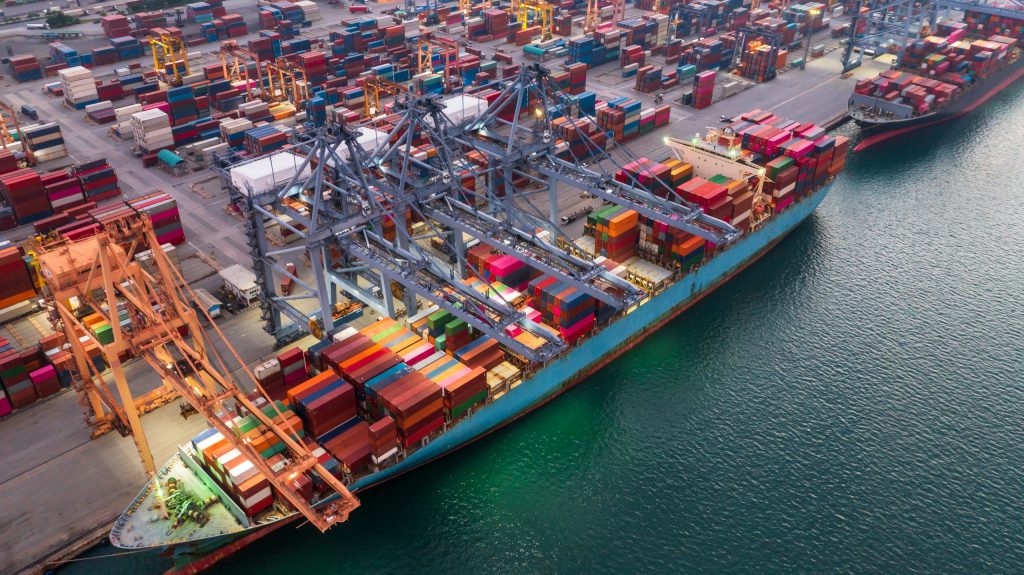
The container ship is efficiently loading and unloading.
Definition of Port of Loading (POL)
The Port of Loading (POL) is where your goods begin their journey abroad. They are put on a ship that is going to another country. This port is the first step in your international shipment, and the choice you make here will affect how quickly and smoothly your cargo travels, as well as the final shipping price. For example, if you ship from Shenzhen Port to Los Angeles Port, Shenzhen Port is the Port of Loading (POL).
What is demurrage at the port of loading?
Demurrage at the loading port is similar to a parking overtime fee. When a container arrives at the terminal, it can remain there free of charge for a set period. If it is not loaded onto the ship before this time expires, the port charges a daily fee. This may be due to customs delays, issues with the ship or a busy port.
Definition of Port of Discharge (POD)
The port of discharge is where cargo is unloaded from a ship at the end of its ocean voyage. This port is specified in the transport contract. When choosing a port of discharge, the consignee should consider the port’s cargo handling capacity, berthing facilities and the availability of loading and unloading equipment. For instance, if a port has limited space for ships to dock, unloading may be delayed. Such delays could affect the rest of the supply chain and potentially disrupt production.
Things that affect the Port of Discharge (POD)
- Geographical Location: The most important factor is how far the port is from the destination. If the port is closer to the final destination, it saves money and time.
- Port Infrastructure: Ports need docking facilities, lifting equipment, storage space, and good access. Ports that have better tools and facilities can move cargo faster and help keep things on schedule. The process goes more smoothly with modern terminals and equipment.
- Routes and Service Frequency: Shippers prefer ports with regular shipping routes and ships that arrive frequently, as this helps ensure deliveries are on time. If a port has fewer routes, ships may not come as often, which can be bad for cargo that needs to be delivered quickly.
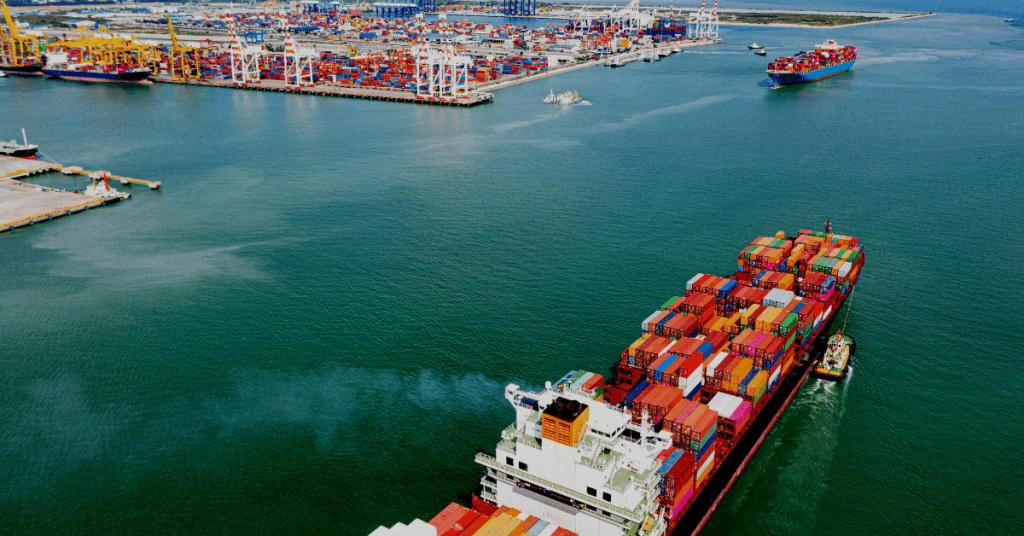
A cargo ship loaded with containers is entering the port.
Port of Discharge (POD) and Final Destination
These two terms are often confused, but they actually mean different things in shipping.
The POD is the point where goods are removed from the transport vehicle. This is usually a port city for ocean shipments or an airport for air freight, but it could also be a warehouse, distribution centre or retail store. In other words, the POD is simply where the goods are unloaded from the carrier.
The final destination is the last place the goods go. This is where the consignee or customer receives the shipment. The final destination may be in the same city as the POD or at a warehouse or a specific delivery address.
What is port-to-port?
Port-to-port shipping involves moving containers from the port of loading (POL) to the port of unloading (POD). For example, moving a container from Shanghai Port to New York Port is port-to-port shipping.
If exporters or importers want to keep costs down or if the importer already has their own transportation partners in the country where the goods will be sent, they often choose this method.
Summary
The port of loading is where your things are loaded onto the ship. The port of discharge is where your goods are taken off the ship when it gets to its destination. Both ports are very important for shipping goods worldwide. Choosing the right ports can help your shipments go smoothly and keep your customers happy. Before you pick your ports, make sure you know what these words mean. Mixing them up can cause problems with your shipments.