
Curious about how Amazon FBA shipping from China to the US actually works? Picture this: your products leave a supplier or warehouse in China and end up in Amazon’s fulfillment network in the US.
There’s a lot more to it than just booking shipping. You have to source your product in China, clear export customs, ship it overseas, get it through U.S. customs, follow Amazon’s FBA rules, and make sure it arrives at the right Amazon warehouse.
Each step requires careful planning. Importers start by checking things like product specs, box counts, Amazon warehouse addresses, labeling rules, HS codes, and shipping dates. One important choice is between DDP air shipping and DDP sea shipping. Your budget and how quickly you need your goods will help you decide.
Working with an SSFEShipping can make the whole process simpler. Their team takes care of planning, paperwork, customs, labeling, and delivery. All you have to do is enter your package details into their system.
Step-by-step China to Amazon FBA shipping work
Shipping products from China to Amazon FBA involves several stages, from supplier coordination to final delivery at an Amazon fulfillment center. Understand each step to avoid delays, reduce costs, and ensure compliance with Amazon’s requirements.
1. Create an FBA Shipping Plan
Generate your shipment plan in Amazon Seller Central and obtain Amazon carton labels and warehouse destinations.
2. Prepare Goods at the Factory
Your supplier labels products and cartons according to Amazon FBA requirements.
3. Arrange Pickup
A freight forwarder collects the cargo from the factory and transports it to the departure port or airport.
4. Export Customs Clearance in China
The shipment is declared to Chinese Customs and cleared for export.
5. International Transportation
The goods are shipped by air or ocean freight to the United States.
6. U.S. Customs Clearance
Import duties and customs requirements are completed before release.
7. Final Delivery to Amazon Warehouse
The shipment is delivered to the designated Amazon fulfillment center and checked into inventory.
Follow a clear workflow and partner with an experienced freight forwarder to gain more control over your supply chain. You will minimise shipping risks, reduce costly disruptions, and keep your FBA inventory reliably stocked. You will also free up time to focus on growing your business.
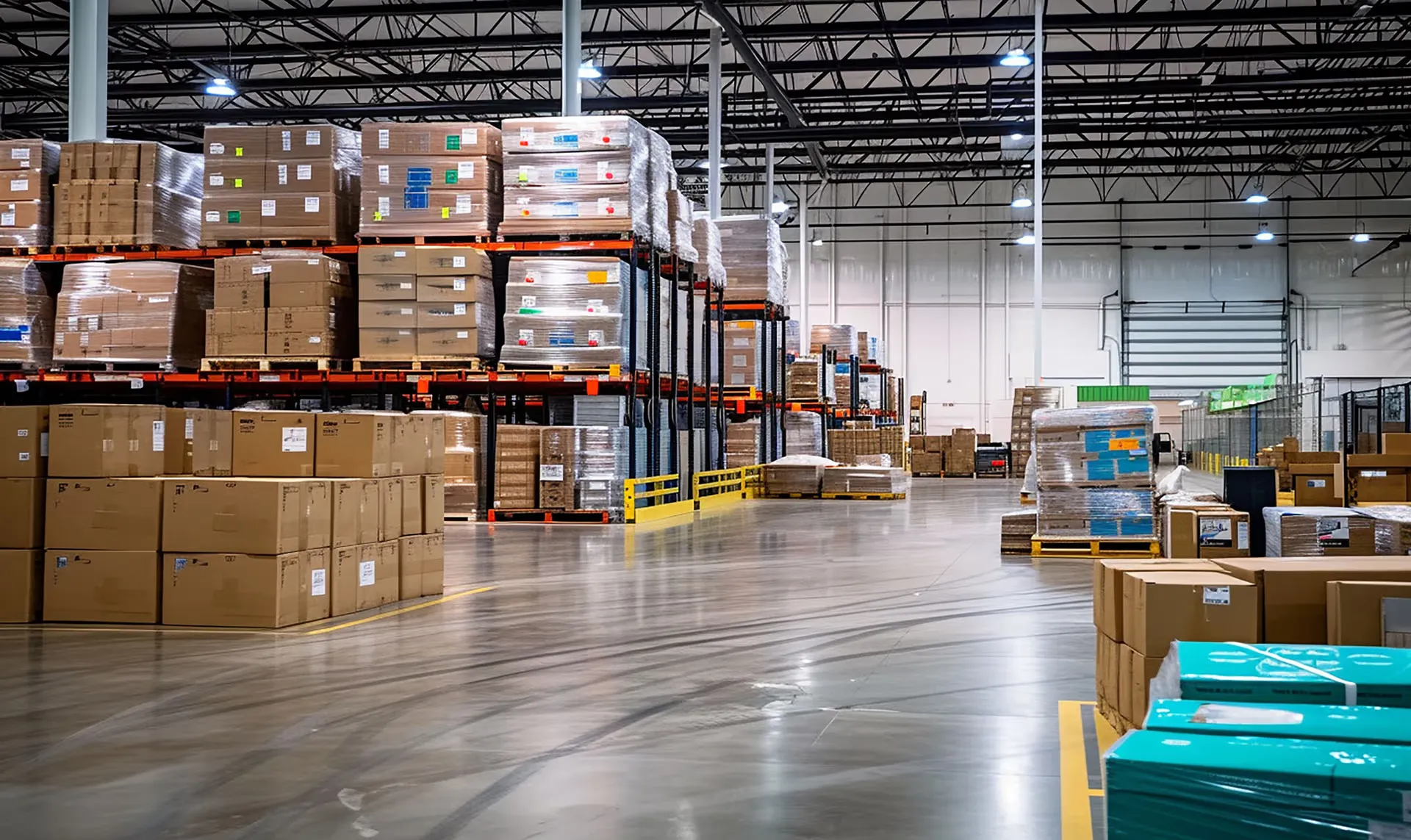
China to USA FBA shipping(Costs & Transit Time)
Choose the right shipping method for your Amazon FBA shipment to avoid problems. These mistakes can erode your margins.
A FBA quote provides a side-by-side view of speed, total landed cost and the risk of Amazon rejecting the shipment. This helps you make informed decisions about booking.
| Mode | Best fit | Planning timeline | Planning cost band | What to verify before booking |
|---|---|---|---|---|
| Express courier DDP | Samples, launch emergencies and very small replenishments. | Often 3-7 business days after pickup when documents and product category are clean. | Premium small-parcel band, usually quoted by chargeable kg. | Battery, liquid, cosmetics, brand or hazmat restrictions before pickup. |
| DDP air freight | Stockout prevention, lighter replenishments and launch inventory where speed protects sales. | Often 7-12 business days door-to-FBA after cargo is ready. | Mid/high band, quoted by chargeable kg plus customs and final delivery assumptions. | Exact carton dimensions, FBA label files, HTS/duty assumption and delivery appointment scope. |
| DDP sea LCL | Planned replenishment that is too large for air but not enough for a full container. | Often 25-40 days door-to-FBA depending on origin, destination and Amazon appointment timing. | Lower freight band, usually driven by CBM, density, minimums, duties and final-mile delivery. | CBM, carton count, consolidation needs, ISF/customs scope and Amazon redelivery rules. |
| DDP sea FCL | Larger restocks with predictable demand and enough inventory runway. | Often 22-38 days to delivery planning, then Amazon receiving time must be buffered separately. | Best per-unit freight band at scale. Current 2026 Transpacific FCL sanity checks on the site cite roughly $2,000-$4,100 per 40-foot container before duties, entry and final delivery. | Importer plan, broker/license details, duty line, MPF/HMF/ISF, drayage and appointment delivery. |
Which Shipping Method Is Best for Amazon FBA
| Shipping Method | Cost | Transit Time | Best For |
|---|---|---|---|
| Express Courier | Highest | 3–7 days | Samples and urgent shipments |
| Air Freight | Medium | 7–12 days | Fast inventory replenishment |
| Sea Freight LCL | Low | 25–50 days | Small to medium shipments |
| Sea Freight FCL | Lowest per unit | 25–45 days | Large-volume sellers |
What does an Amazon FBA freight forwarder do?

If you miss a step in your FBA shipping process, customs may delay your goods, or Amazon may reject your inventory. An Amazon FBA freight forwarder can help.
A freight forwarder anticipates operational bottlenecks and ensures your shipment complies with Amazon’s strict requirements. Here’s how they help you protect your supply chain:
- Cargo Pickup: Coordinates with your supplier to collect goods, confirm documents, and arrange export transport.
- Shipping Solutions: Matches your delivery timeline and budget to the right mode—air for speed, sea (LCL/FCL) for volume, or a hybrid. Can consolidate shipments to lower costs and risks.
- Documentation: Prepares and checks all paperwork (invoices, packing lists, bills of lading, customs forms) to prevent clearance delays.
- Customs Clearance: Handles classification, duty/tax calculation, paperwork, and any inspections to keep cargo moving.
- Amazon Delivery: Ensures labeling, palletizing, and appointments meet Amazon’s strict requirements for smooth warehouse delivery.
- DDP Shipping: Offers Delivered Duty Paid (DDP) so you get a single, all-in shipping solution—transport, customs, duties, taxes, and final delivery.
- Tracking & Support: Keeps you updated on shipment status, customs progress, and ETA so you can plan replenishment and avoid stockouts.
A seasoned FBA freight forwarder doesn’t just move your goods; they help you avoid costly mistakes and keep your Amazon business running smoothly.
FBA Expertise: How to Reduce Risk and Streamline Your Process
- Supplier FBA Knowledge: Work only with suppliers who understand Amazon’s packaging, labeling, and barcoding standards. This prevents warehouse rejections and unexpected fees.
- Direct Integration & Tools: Some suppliers can link directly with Amazon Seller Central, enabling automated order management and shipment tracking. Use this integration to boost efficiency and cut down on manual errors.
- FBA Prep Services: Suppliers offering FBA prep—labeling, packaging, and documentation—help ensure your shipments are compliant from the start. Outsourcing these tasks saves you time and reduces the chance of mistakes that can trigger delays.