
More than a third of the world’s electronics are made in China, making it a major center for consumer electronics. Chinese manufacturers produce a wide range of products, including smartphones, tablets, Bluetooth speakers, and smartwatches.
Sourcing electronics from China offers clear benefits, like lower prices, a wide variety of products, a strong supply chain, and advanced manufacturing. For many importers, China is now the main place to buy electronic goods.
However, efficiently and smoothly importing electronics from China is equally crucial. From supplier selection and quality control to shipping and customs clearance, each step requires professional planning.
If you’re looking for a dependable way to import electronics, you’re in the right spot. This piece offers a straightforward guide to affordable solutions to help you turn your concepts into reality.
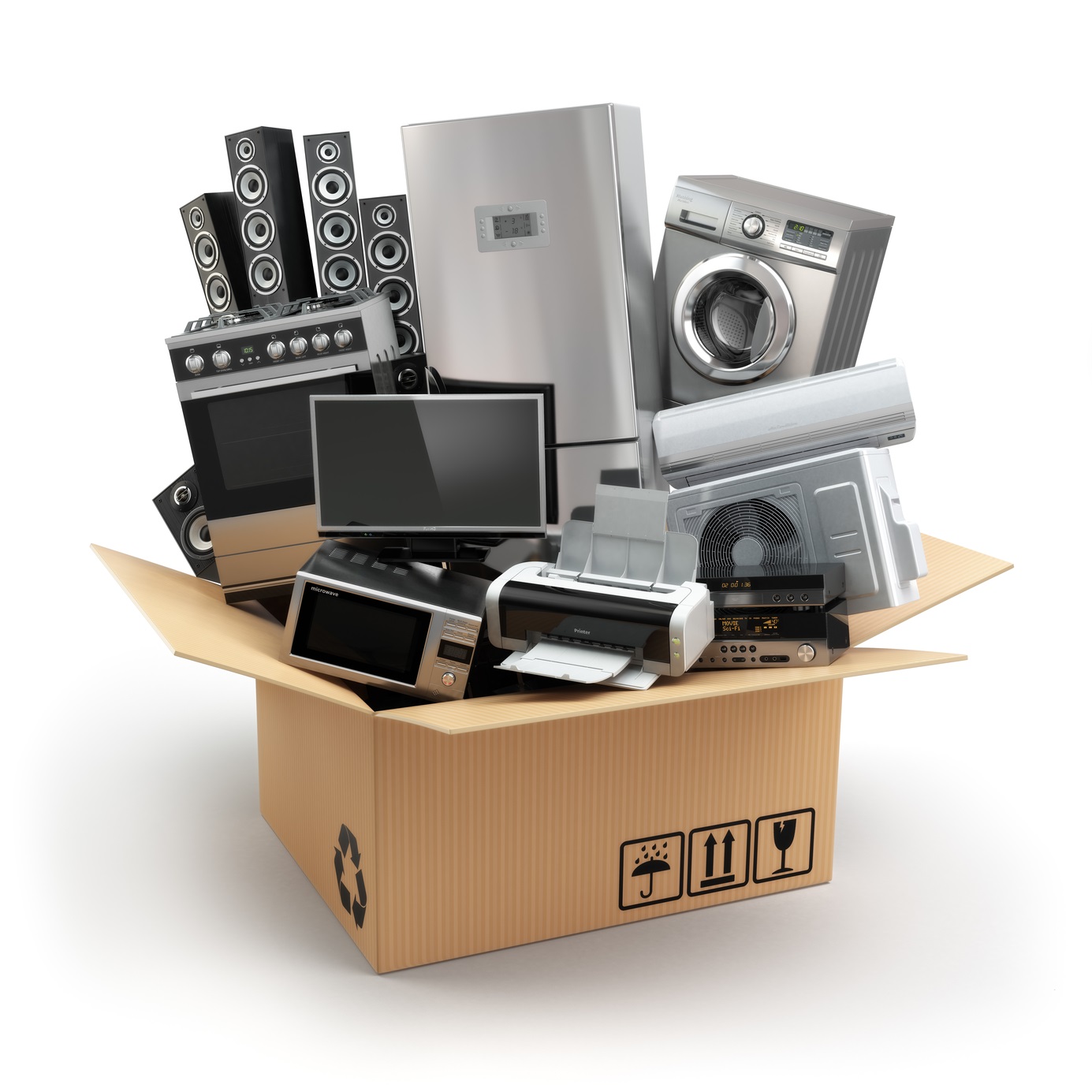
How to import electronic goods from China
Importing electronics from China to the United States can be challenging. In addition to following U.S. Customs and Border Protection rules, you also need to pay close attention to tariffs, such as Section 301 tariffs. These fees can raise your overall costs, depending on the product.
To import goods from China to the U.S. To achieve success, meticulous planning, reliable suppliers, and top-notch products are essential. Let’s outline the fundamental steps to get your journey started.
Find dependable suppliers.
Begin your search on platforms like Alibaba, Global Sources, and Made-in-China. Whenever possible, attend trade shows or visit factories to observe their processes firsthand.
Negotiating contracts and prices
After you find possible suppliers, talk with them about contract terms like prices, payment options, and minimum order sizes. Make sure to also cover after-sales support and warranty details.
Quality control and logistics
Set up strong quality checks to make sure products meet your standards. You might want to hire a third-party inspection service. For shipping, choose whether to manage it yourself or use a freight forwarder.
Customs clearance and delivery
Learn about your country’s import rules. Get all the needed documents ready for customs, like the bill of lading, invoice, and packing list. Have a plan for storing and distributing your goods when they arrive.
Choosing a Reliable Chinese Electronics Supplier
It’s recommended that you work directly with a manufacturer when importing from China. If a supplier offers products in lots of categories, they’re likely to be a reseller, rather than a factory. Working with a reseller has some disadvantages:
- The chance of miscommunication increases when a reseller is between you and the actual factory
- Manufacturers will know better than a reseller what they can offer you (like what personalisation to the product they can do)
- Resellers cost more than going direct
Does the manufacturer have any verifications? If you’re shopping through Alibaba or Global Sources, they have Verified Suppliers that you can browse. You can also ask for evidence of certifications, like ISO Standards or any specific certifications you need for your product. The gold standard is factory tours. If this is out of your budget, maybe consider hiring an agent to go on your behalf. You can also ask for photos as an alternative.
Don’t get caught out by lead times. Ask how long production will take and then add the shipping duration to your timeline. If you’re ordering in advance of a certain date (say Black Friday), you’ll need to make sure your goods will arrive on time.
Electronics Import Costs in China
When considering the cost of importing goods from China to your country, it’s essential to take various factors into account:
- Goods: The type of goods you are importing can affect the cost of shipping, import duties, and VAT. For example, goods that are considered to be hazardous or that require special handling will be more expensive to import.
- Incoterms: The Incoterms you choose will affect who is responsible for paying for different stages of the shipping process. For example, if you choose the FOB Incoterm, your Chinese supplier will be responsible for loading the goods onto the ship at the port of departure. If you choose the CIF Incoterm, your Chinese supplier will be responsible for loading the goods onto the ship, insuring them, and paying the freight costs.
- Shipping method: The shipping method you select will determine the cost and delivery time of your shipment. Ship freight is the most economical shipping method, but the slowest. Air freight is the fastest shipping method, but the most expensive.
- Import duties: The rate of import duty on goods varies depending on the type of goods being imported. You can use the tariff checker to find the import duty rate for your goods.
- Insurance: Insurance is recommended to cover the cost of lost or damaged goods in transit. The cost of insurance will vary depending on the value of the goods and the level of coverage desired.
- Customs clearance: The cost of customs clearance will vary depending on the complexity of the shipment and the services required.
Common Mistakes to Avoid When Importing from China
Importing from China can be a smooth process if you avoid common mistakes. Many beginners make errors that lead to delays, extra costs, and frustration. One common mistake is not doing enough research on suppliers. This can lead to choosing unreliable partners who don’t deliver on promises.
Another mistake is not understanding the full cost of importing. Beyond the price of the products, you have to consider shipping, duties, and VAT. If you don’t budget for these, you might end up spending more than you planned.
Here are some common mistakes to avoid:
- Skipping Supplier Research: Always check reviews and verify business licenses.
- Ignoring Shipping Costs: Include all costs in your calculations to avoid surprises.
- Not Inspecting Products: Always ask for samples and inspect products before shipping to ensure quality.
- Overlooking Regulations: Don’t ignore import duties, VAT, and restricted items.
Avoiding these mistakes can save you time, money, and headaches. It helps you manage the process better and makes your importing experience successful.