
Freight consolidation is the process of consolidating shipments. Instead of moving partial loads, we combine cargo from different shippers traveling in the same direction. Empty space doesn't cost anything. You share the transport costs and save money.
This strategy works across modes: We offer LTL trucking, ocean LCL and air freight. Consolidation will slash your shipping expenses, boost efficiency and cut your carbon footprint.
Want the details? We will explain how consolidation works, when it makes sense, and how you can maximize savings on every shipment.
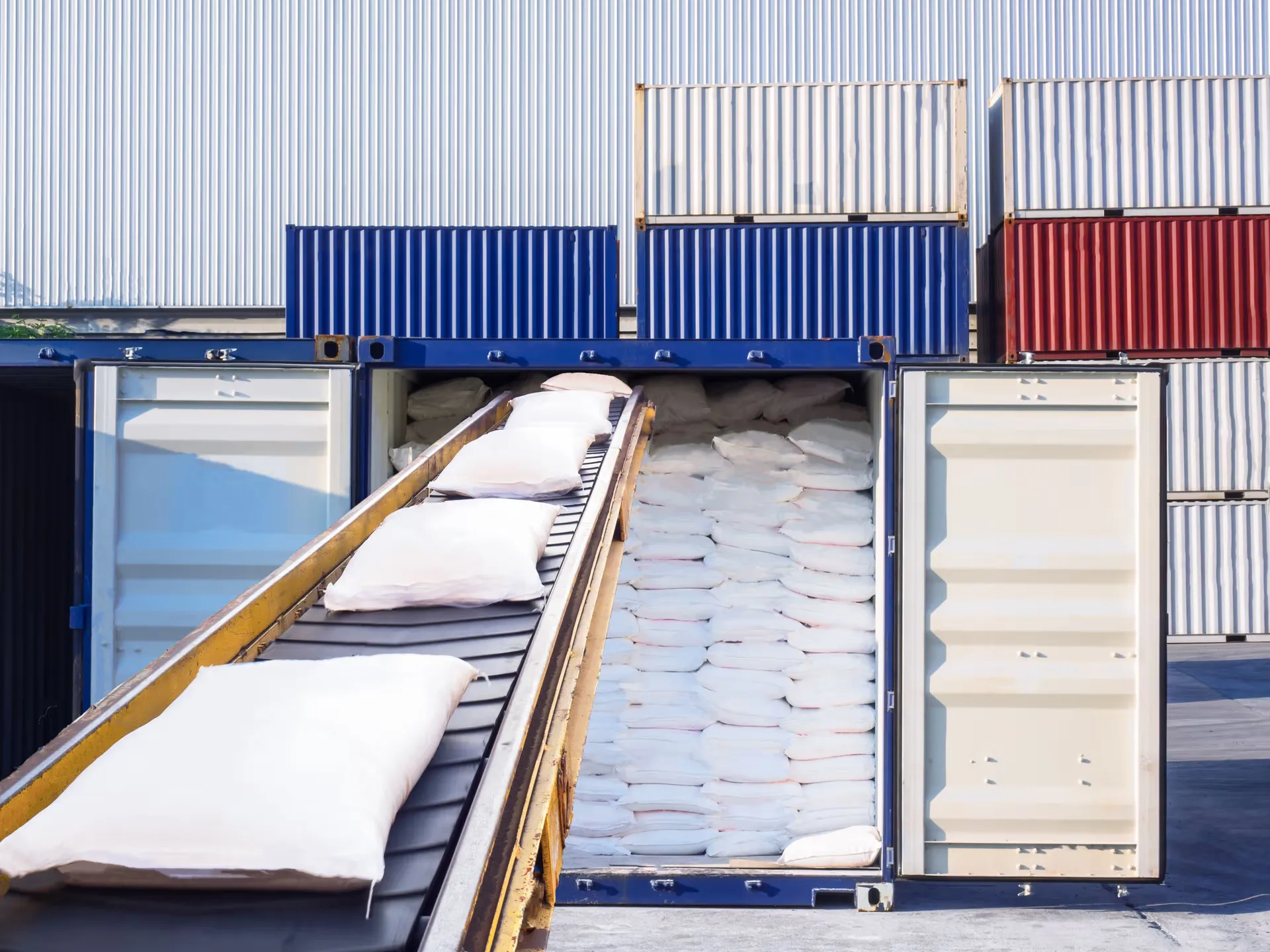
What Is Freight Consolidation?
Freight consolidation is thenes smalleof r shipments from different shippers into one larger load. A freight forwarder or logistics provider acts as the consolidator, collecting and grouping cargo before moving it as a single unit.
Once the shipment reaches its destination, it’s deconsolidated. Each shipper’s goods are separated and delivered to their final destination.
Freight Consolidation: Step-by-Step
- Collection: The freight forwarder gathers shipments from multiple shippers at a warehouse or freight station.
- Sorting & Grouping: Shipments are organized by destination, size, or cargo type.
- Packaging: Cargo is repacked for safety and to optimize container or trailer space.
- Transportation: The consolidated load is shipped using the best-fit mode—truck, ocean, or air.
- Final Distribution: At the destination, goods are deconsolidated and delivered to their end points.
Benefits of Freight Consolidation
Supply chain managers want to reduce transport costs, improve efficiency, and better utilize resources. Freight consolidation achieves this by combining smaller shipments into larger loads. Here are some key benefits:
- Lower Transportation Costs:Freight consolidation saves money. The combining of multiple shipments is for the purpose of maximising truck or container capacity. This will reduce the cost of shipping per unit.
- Improved Cargo Utilization and Stability: Freight can be consolidated to pack more efficiently, reducing unused space and minimising movement. Properly secured consolidated shipments can improve load stability and reduce the likelihood of damage.
- Greater Warehouse and Dock Efficiency: Consolidated freight means fewer trucks in the warehouse, less congestion, and quicker loading and unloading. It also means better use of warehouse labour and equipment.
- Reduced Environmental Impact: Freight consolidation means fewer shipments at the warehouse. This reduces congestion, speeds up loading and unloading, and improves the use of warehouse labour and equipment.
- Better Supply Chain Visibility and Planning: Consolidated shipments help businesses manage transportation better and improve shipment tracking. With fewer loads, supply chain teams can better plan logistics.
Types of Freight Consolidation
Freight consolidation doesn’t work the same way for everyone. The right choice depends on your shipment size, how you’re shipping, your delivery needs and your overall plan. Here’s a quick look at your options:
LTL Consolidation:
LTL combines shipments from multiple shippers into a single truck, which is useful for smaller loads. You pay only for the space you use. This is a smart and cost-effective option for domestic or cross-border shipments when you don't need a full truck.
LCL Consolidation:
If less than a full container is being shipped overseas, space can be shared with other shippers through LCL. It is ideal for importers with smaller international shipments. This helps reduce costs and keeps you connected to global shipping routes, which is important for businesses operating on a global scale.
Air Freight Consolidation:
Air freight consolidation is the solution for those needing fast delivery. This is because it combines cargo from different shippers on the same flight. Freight forwarders can obtain better airline rates, and some of those savings can be shared with you. This is the ideal solution for urgent shipments where time is of the essence.
Multi-Modal Consolidation:
Certain supply networks utilize a combination of road, sea, rail, and air transport. Smooth transit times, reduced handling costs, and efficient cargo movement between these modes are all facilitated by multimodal consolidation.
When to Use Freight Consolidation
| Use Consolidation When | Use Dedicated/FCL When |
|---|---|
| Shipment is under 12-15 CBM (ocean) | Shipment fills 60%+ of a container |
| Shipment is 1-10 pallets (trucking) | You need 15+ pallets |
| Budget is the priority | Speed is the priority |
| Delivery timeline is flexible (+3-7 days) | Strict delivery deadlines |
| Shipping frequency is inconsistent | Regular, predictable volumes |
Summary
Freight consolidation is a tried-and-true way to slash shipping costs and simplify your logistics. By pooling small shipments, everyone—from retailers to importers—can turn scattered moves into one streamlined load. That means less spend, faster deliveries, and a smaller carbon footprint.