In international freight transport, ocean freight is the backbone of global commerce, handling over 90% of the world’s cargo. It is the optimal choice for transporting bulk goods and is significantly more cost-effective than air freight. This is precisely why businesses choose ocean freight to transport a wide variety of goods.
This guide provides a detailed overview of ocean freight, including the shipping process, advantages, available solutions, and required documentation.
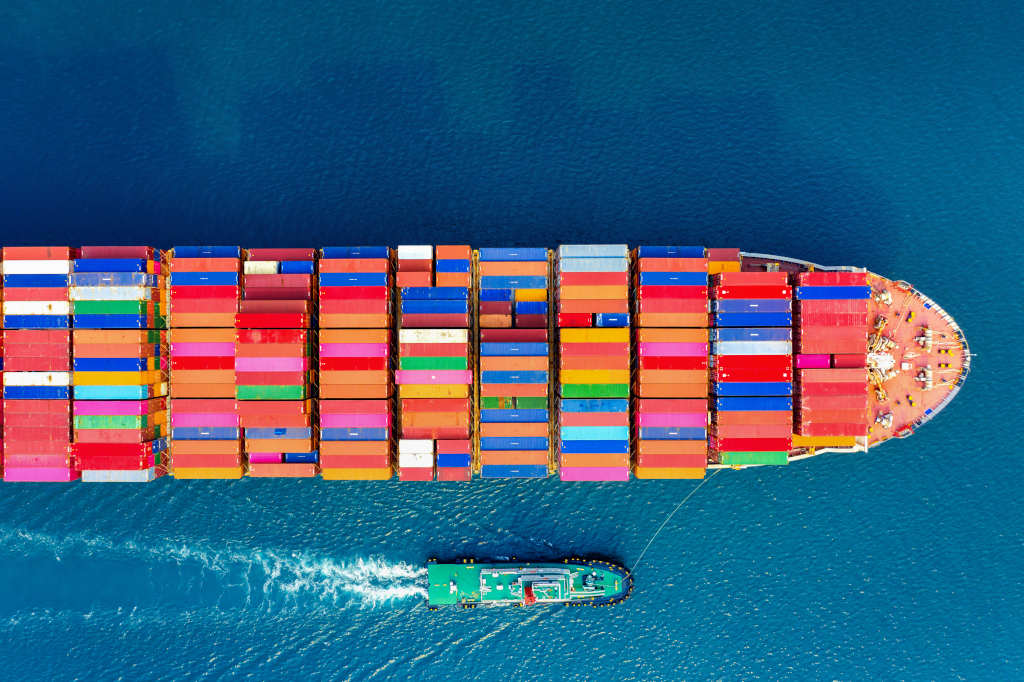
Aerial view of container cargo ship in sea.
What Is Ocean Freight?
Ocean freight is an important part of multimodal transport. It mainly involves shipping goods in shipping containers. It is the most common way to move freight around the world and is often used to move large or bulk cargo. There are two kinds of ocean freight: full container load (FCL) and less-than-container load (LCL). Each is best for a different shipping need.
Advantages of Ocean Freight Shipping
Ocean freight is often chosen for large-scale logistics needs because it is considered more efficient. Here are some of the advantages of shipping goods by Ocean:
1. Affordable Costs
One advantage of Ocean freight is that it is more economical than air shipping, especially for large items or large quantities.
2. Procedural Efficiency
Shipping goods by ocean is known to have correlated documentation and administrative requirements for both domestic and international shipments, such as invoices and packing lists.
The uncomplicated procedures make many businesses, especially those involved in export-import activities that involve customs, prefer shipping by ocean.
3. Large Cargo Capacity
Ocean freight allows for the shipment of large quantities of goods at once, including a Full Container Load (FCL). This is certainly beneficial for businesses with large-scale routine distribution needs.
Additionally, there is a Less Than Container Load (LCL) option for smaller-volume shipments as needed.
4. Can Reach All Shipping Regions
Ocean freight has an extensive port network covering almost the entire world, enabling it to reach both domestic and international regions. This is important for businesses with customers in remote locations.
Whether for export or import, ocean routes facilitate distribution to domestic and international markets.
5. Able to Ship All Types of Goods
Ocean freight allows the shipment of almost all types of goods without many restrictions, unlike air or land routes, which have certain limitations.
From large items, electronics with active batteries, chemical liquids such as perfume, to hazardous cargo, all can be shipped by ocean in accordance with applicable regulations.
6. Lower Environmental Impact
Compared to shipping by air or truck, Ocean freight generates lower carbon emissions per ton of goods, although it is not completely emission-free. This means the ocean route is considered a more environmentally friendly shipping option.
7. More Flexible
Ocean freight offers greater flexibility because it can be tailored to various cargo needs.
From standard containers to specialized ships for liquid or hazardous goods, everything can be accommodated according to the type and characteristics of the goods.
LCL vs FCL Shipping — Which Is Right for You?
What Is LCL Shipping?
LCL stands for Less than Container Load. This means your shipment does not fill an entire container and instead shares container space with cargo from other importers.
Freight forwarders combine multiple smaller shipments into a single container. Once the container arrives at the destination port, the cargo is separated and distributed to the different consignees.
LCL shipping is commonly used when:
- The shipment is too small to fill a full container
- Importers are testing a new product or supplier
- Businesses are ordering smaller quantities of goods
What Is FCL Shipping?
FCL stands for Full Container Load. This means a single importer uses the entire shipping container for their goods.
The container is loaded at the supplier’s facility or warehouse and remains sealed until it reaches the destination port or final delivery location.
FCL shipping is often used when:
- The shipment is large enough to fill most or all of a container
- The importer wants faster handling and fewer touch points
- The cargo needs to stay together without being consolidated
The Role of the Bill of Lading
The key document is the Bill of Lading, which confirms receipt of the cargo for transport and serves as a document of title.
- Used when ownership transfers immediately to the consignee.
- Does not act as a document of title.
- Cargo can be released without presenting an original document.
Ssfeshipping: How Ocean Freight Works
1. Shipment Planning and Route Optimisation
The process begins with understanding the cargo and selecting the right shipping strategy. This includes:
- FCL, LCL, or breakbulk requirements
- Cargo volume and weight
- Destination port and trade lane
- Transit urgency and budget priorities
A strong freight partner does not simply offer the cheapest route. They recommend the most efficient and commercially practical option.
2. Booking with Shipping Lines
Once the shipment plan is finalized, cargo space is booked with the carrier. This stage is more important than many businesses realize. Poor booking support can lead to:
- Higher freight rates
- Lack of space during peak season
- Cargo rollovers and missed sailings
- Disrupted delivery schedules
Ssfeshipping helps businesses secure competitive rates and dependable carrier coordination, reducing the risk of costly delays.
3. Documentation and Compliance
This is one of the most critical stages in sea freight forwarding. Common documents include:
- Bill of Lading
- Commercial Invoice
- Packing List
- Import or export licenses
- Customs-related declarations
Even one small error can hold cargo at port, delay customs processing, or create financial penalties. Accurate documentation is not optional. It is essential.
4. Customs Clearance Coordination
Customs is often where shipments either move smoothly or get stuck. Traditional handling is often reactive, slow, and unclear. A stronger logistics partner works proactively with better planning and communication.With the right support, businesses benefit from:
- Pre-clearance preparation
- Faster response on documentation queries
- Better coordination between freight and customs teams
- Reduced risk of avoidable delays
5. Ocean Transit and Tracking
Once the cargo is loaded, the shipment enters the ocean transit phase. This stage may appear simple, but risks remain, including:
- Port congestion
- Vessel schedule changes
- Transshipment delays
- Limited visibility on container status
Without proper tracking, businesses are left guessing. GSI Cargo supports better shipment visibility and proactive updates so clients can plan with more confidence.
6. Destination Handling and Final Delivery
After arrival, the shipment still needs to move through destination handling, local clearance, and final delivery. Weak coordination at this stage can lead to:
- Storage charges
- Delayed delivery to the consignee
- Missed customer deadlines
- Extra handling costs
A reliable freight forwarder ensures the shipment journey does not break down at the final stage.