We will help your business set clear logistics goals and measure their actual impact. We aim to deliver quick results, protect your products, and ensure fast delivery. We will compare various options—sea freight and air freight—so you can choose the most suitable solution. We will also explore practical ways to address peak-season capacity constraints, price fluctuations, and unexpected customs delays to improve transit times and minimize delays, thereby meeting your needs. If you’re wondering how to ship your goods, you’re not alone. For years, we’ve specialized in sea and air freight across North America; it’s entirely feasible, and it truly pays off.
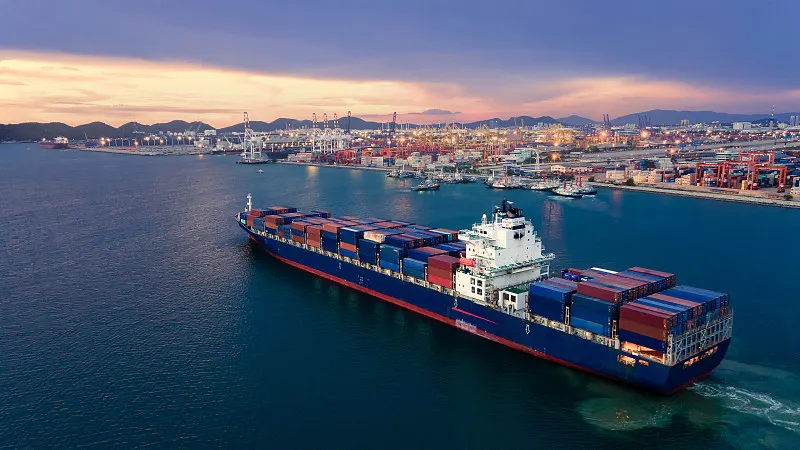
How Ocean Freight from China to America Works
The shipping process workflow will change based on the particulars of your products. though peak season adds complexity.
- Origin Preparation: Your supplier arranges inland transport to major Chinese ports (Shanghai, Ningbo, Shenzhen, or Guangzhou)
- Export Customs: Goods clear Chinese customs and are loaded into containers
- Ocean Transit: Major carriers (COSCO, Maersk, OOCL, MSC, Evergreen, ANL) transport containers via the Pacific and the Panama Canal Ocean routes
- America Arrival: Containers reach Los Angeles, Long Beach, Miami, Houston, or NewYork
- Import Clearance: US customs processing, CBP clearance, regulatory inspections (such as FDA or USDA when applicable), and import duty and fees payment
- Final Delivery: Truck or rail transport to your warehouse
- Total transit time: 18–35 days door-to-door, depending on route and service level.
Ocean Freight Rates from China to US
Following a period of rate increases in November, December and the first couple of weeks of 2026, the market has declined over the past 4-5 weeks. The pre-Lunar New Year peak was weaker than expected, putting further downward pressure on freight rates ahead of the holiday season in China. The most recent SCFI figures from week 7 (same levels for week 8, i.e. Lunar New Year week) show Transpacific rates down 13% on the US East Coast and 14% on the US West Coast over the four-week period. Here’s the current pricing landscape:
- Container shipping rates from China to the US West Coast for March 2026: average USD 2,257.77 per container, down 7.2%.
- Container shipping rates from China to the US East Coast for March 2026: average USD 3,135.63 per container, down 5.7%.
| Mode | Average Cost (2026) | Transit Time | Destination |
|---|---|---|---|
| Ocean Freight (FCL) | $2,257.77 | 15–30 days | US West Coast |
| Ocean Freight (FCL) | $3,135.63 | 20–40 days | US East Coast |
China to US Ocean Transit Times
Ocean freight is the most common method for shipping containers. There are two types: Full Container Load and Less-than-Container Load.
FCL is the most common method for large shipments, with transit times ranging from 15–40 days.
Meanwhile, LCL shipments consolidate cargo from multiple shippers. They generally take longer, anywhere from 20–45 days. That’s due to all the extra handling and processing time needed to consolidate the cargo.
| Route | Port-to-Port | Notes |
|---|---|---|
| Shanghai to Los Angeles | 13–18 days | Fast and popular West Coast route |
| Ningbo to Long Beach | 14–20 days | Common option for Southern California |
| Shenzhen to Los Angeles | 14–19 days | Frequently used for South China exports |
| Qingdao to New York | 30–38 days | Longer transit to the East Coast |
| Shanghai to Savannah | 30–40 days | Suitable for Southeast U.S. delivery |
| China to Houston | 30–45+ days | Gulf Coast routes are usually longer |
The average sea freight transit time for shipping goods from China to USA is 15 to 25 days. However, you should factor in container shipping times of anywhere between 27 to 46 days depending on the time of year, amount of cargo, and specific processing requirements for your freight.
Note: These are estimates and the actual transit time may vary. It’s essential to check with your freight forwarder and consider any potential delays or additional factors that could affect the shipping process.
Why West Coast destinations are faster
Ports such as Los Angeles, Long Beach and Oakland are significantly closer to China than their counterparts on the East Coast. Vessels travel directly across the entrances, which means shorter sailing times and more frequent departures. These ports also benefit from well established shipping lanes with high demand, helping keep schedules more consistent.As a result, shipping to the West Coast can usually expect noticeably shorter lead times once the container has departed China.
Why East Coast shipments take longer
Moves to New York, Boston and Miami involve a much longer sailing route. Most vessels travel via the Pacific, Panama Canal, or around the Atlantic, which increases both distance and duration. The route is less direct and subject to more variables, including potential congestion at major transit points.
Because of the extended journey and the lower frequency of sailings compared with West Coast services, shipments typically take noticeably longer to arrive.
Hot Ocean Shipping Routes from China to US
The two main routes from China to the USA are the Pacific route and the Atlantic route.
- The Pacific route connects Chinese East Coast ports (Shanghai, Ningbo) to US West Coast ports (Los Angeles, Oakland). It typically takes 15–30 days, which is much faster and more cost-effective.
- Meanwhile, the Atlantic route connects Chinese ports to US East Coast ports (New York, Miami, Savannah). It generally takes 30–50 days since the logistical complexities can increase transit times and costs.
Hidden Costs Faced by U.S. Importers
Even when ocean freight looks reasonable, it typically covers the cost of moving goods from port to port. In practice, however, the total cost often includes a range of additional charges, many of which are applied before the container leaves the terminal and others upon arrival.
- Port Charges: Fees for loading, unloading, terminal use, and port infrastructure.
- Customs Duties and Taxes: Includes VAT, import tariffs, and other levies.
- Terminal Handling Charges (THC): Charges for managing containers at ports.
- Documentation Fees: For paperwork like bills of lading and customs clearances.
- Container Freight Station (CFS) Charges: For consolidating or deconsolidating shipments.
- Delivery Charges: The final-mile cost of transporting goods from the port to your destination.
- Demurrage: Billed when a container stays beyond the permitted free time at the port.
- Detention: Billed when a container is stored beyond the allowed period outside the port before being returned.
- Storage Charges: These are the fees incurred when cargo is stored in a warehouse or in a port for a period longer than is deemed acceptable or reasonable.
- Quarantine Charges: These ocean freight charges apply to cargo that requires detailed health inspections, particularly shipments involving food products, plants, or live animals.
- Fuel Price-Based Surcharges: Tied to the turbulence of global fuel markets, these can shift proportionally with pricing trends.
- Trailer (Chassis) Usage Charges: Applied when containers require a chassis for inland transport, particularly in broad cross-country moves.
- Customs Examination Fees: Occasional or risk-based inspections often incur additional, sometimes substantial, examination fees. While unavoidable in many cases, these fees—and their overall impact—can be significantly reduced through accurate documentation and consistent application of compliance procedures across logistics operations.
How US-China Trade Tensions Affect Supply Chains
Tension in US-China trade brings about continuous operational tension throughout the lifecycle of fulfillment of the procurement process to the ultimate delivery.
Variations in tariff rates are a fundamental cause yet the impacts are much more than direct duties. The difference in product classification may cause re-evaluation to create a delay in clearance. Greater inspection ratio has the effect of holding inventory in ports and the requirement of constant documentation changes by regulatory compliance. The problem of trade restrictions can oblige sudden sourcing changes to further increase the variability of lead times.
The following is a list of the major risk factors and the effects of these factors on operations:
| Risk Factor | Operational Impact |
|---|---|
| Tariff increase | Higher landed cost |
| Classification review | Clearance delay |
| Increased inspection | Longer lead time |
| Regulatory updates | Compliance revision |
| Trade restriction | Sourcing adjustment |
Tips for Avoiding Delays in Ocean Freight
Shipping delays pose challenges for businesses in international trade, but understanding root causes and adopting proactive strategies can greatly reduce their impact.
- Partner with a Reliable Logistics Provider: Working with an experienced logistics partner like Ssfeshipping ensures access to a network of carriers, flexibility in routing, and expert support. A knowledgeable partner anticipates potential issues, provides real-time updates, and navigates challenges efficiently.
- Plan for Peak Seasons: Shipping volumes increase during specific periods, such as the holiday season. Planning shipments well in advance of these peak times can help avoid congestion-related delays.
- Monitor and Respond to Real-Time Tracking Data: Using advanced tracking tools provides visibility into shipment status, allowing businesses to adjust proactively when a delay is detected.
- Be Prepared with Compliance and Documentation: Complete, accurate documentation is vital to avoiding customs delays. We conduct pre-shipment reviews to ensure that all paperwork is compliant and complete before the cargo is shipped.
- Build in Buffer Time: Incorporate buffer time into shipping schedules to account for potential delays. By planning for unexpected issues, businesses can better manage customer expectations and reduce the impact of unavoidable disruptions.
Why choose sea container shipments to the USA
Shipping goods by sea is one of the most cost-effective options. This method combines scale, reliability, and affordability, making it an optimal choice for businesses of any size.
Main benefits for clients:
- Cost-effectiveness. Sea freight is significantly cheaper than air or road transport for large shipments.
- Flexibility. Ability to combine formats: FCL (full container load) or LCL (less-than-container load).
- Safety. Containers are sealed, minimizing the risk of damage or loss during transport.
- Scalability. Ships can transport any type of goods — from small batches to industrial shipments.
- Transparent logistics. Ssfeshipping monitors every stage — from loading to unloading at a US port, providing full reporting to clients.
Also, container shipments by sea are convenient because they integrate all processes — from customs clearance to final delivery. This gives clients a comprehensive service package without extra time or resource expenditures.
FAQ'S
What’s the cheapest way to ship from China to USA?
When shipping from China to the U.S., ocean freight is usually the most cost-effective option—especially for bulky or heavy cargo. LCL suits small shipments (<15 m³); FCL suits large ones. Avoid air freight if cost is your top priority.
How long does sea freight take from China to US?
Typically, port-to-port transit is between 12 to 24 days, depending on the route. However, door-to-door, you should allow 30 to 40 days to account for trucking, customs, and potential port congestion.
How much is shipping a container from China to USA?
In March 2026, average container shipping costs from China were $2,257.77 to the U.S. West Coast and $3,135.63 to the East Coast. Note that local port fees, customs duties, and delivery charges are additional.
How to calculate the cost of sea freight delivery to the US?
To get a preliminary estimate of the cost of sea freight delivery to the US, simply leave a request on our website, and we will provide you with an approximate price within 15 minutes. Our manager will inform you of ocean freight rates and the exact cost after clarifying all the details and characteristics of your cargo.
What are the advantages of choosing ocean freight for long‑distance shipments?
Ocean freight is ideal for transporting large volumes of goods across international waters in a cost‑effective way. It allows businesses to ship bulk items securely while keeping expenses manageable. Many companies use ocean routes for regular supply chains because of their stability and reliability. With careful planning, ocean shipping supports consistent trade between continents.