Have you ever come across the term ‘bonded warehouse’ and wondered what it means? You’re not the only one—it’s a common question in the import and export business. In this article, we’ll explain what a bonded warehouse is, how it works, its benefits, and why it matters for trade. Let’s get started.
What is a bonded warehouse?
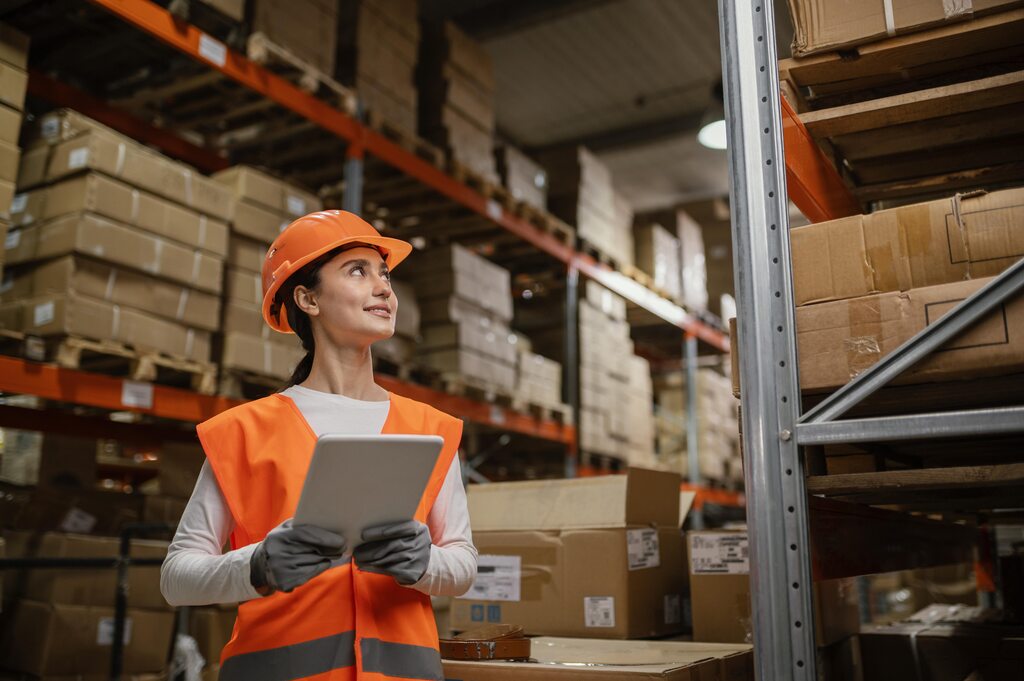
Before they clear customs, goods that are imported or exported are kept in a bonded warehouse.
Customs officials keep these goods until all the necessary steps, such as paying taxes and following the rules, are done.
The best thing about bonded warehouses is that businesses can store goods without having to pay import duties right away. This gives them more freedom in how they handle their money.
People keep a close eye on bonded warehouses, which keep the goods safe. This is very important for things that are valuable or delicate.
Companies can also use these warehouses to put together, package, or label their goods right there.
What is the purpose of a bonded warehouse?
The main purpose of a bonded warehouse is to suspend tax payments until the goods are actually nationalized (or exported, in the case of temporary exports). Think of it as a strategic pause in the bureaucracy surrounding taxes.
In addition, these spaces help reduce the burden on port, airport, and land border infrastructure. Companies can quickly remove their cargo from terminals and store it in more controlled environments without missing the deadline for customs clearance.
Another very important objective is security. As these areas are monitored 24/7, with camera systems, alarms, and physical protection, the integrity of the products is guaranteed, reducing the chances of theft, loss, or damage.
Advantages of Using a Bonded Warehouse
Using a bonded warehouse offers numerous advantages for importers and exporters:
- Cash Flow Optimization: The main advantage is the suspension of tax payments. The importer only pays taxes when they decide to nationalize the goods, and can do so in smaller batches, according to demand, without compromising their working capital.
- Logistical Flexibility: It allows the company to import large volumes to take advantage of better prices and freight rates, and then gradually withdraw and nationalize the goods.
- Cost Reduction: By deferring tax payments, the company can reduce financial costs. In addition, the strategic location of many bonded warehouses can optimize internal transportation.
- Cargo Security: Goods are in a controlled and secure environment, under the surveillance of the Internal Revenue Service.
- Proximity to Inspection: The presence of Internal Revenue Service inspectors and other agencies on the premises speeds up customs inspection and clearance.
- Processing in the Warehouse: The possibility of performing activities such as labeling, packaging, and inspection before nationalization or export.
- Better Planning: Provides more time to decide the destination of the goods (nationalize, re-export, or assign to a special regime).
In short, bonded warehouses are essential structures for the efficiency of China foreign trade, acting as true logistics and tax centers that offer flexibility and optimization for import and export operations.
What are the types of bonded warehouses?
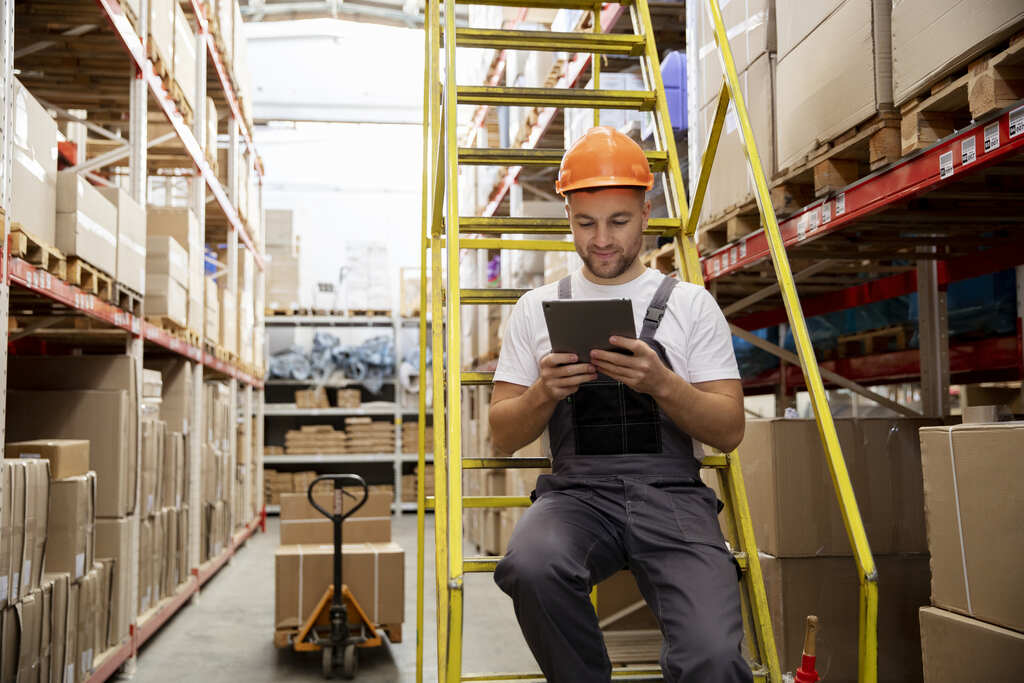
What kinds of bonded warehouses are there? There are mostly two kinds of bonded warehouses. Let’s find out more about each of them!
Private bonded warehouse
A private bonded warehouse is a place to store things that is run by a private company but is licensed and watched over by the right people.
Private warehouses are only for the owner company, while public warehouses are open to any business that pays to use them.
This gives the company more control over how it manages its goods, which makes it easier to customize logistics and storage operations.
Public bonded warehouse
A public bonded warehouse, on the other hand, is a place where anyone can store goods that are under customs control for a fee.
A public bonded warehouse is run by a private or public company that offers this service to other people, unlike a private bonded warehouse.
This lets businesses of all sizes use the space to store their goods while they wait for customs to finish with them.
Care when choosing a bonded warehouse
Before hiring, make sure the warehouse has all the necessary licenses and good operating references. A reliable structure can save you a lot of headaches in the future, especially in terms of compliance.
Another crucial point is to check the location. Choosing a warehouse close to entry points and the main logistics network helps reduce costs and speed up internal transportation after the goods are released.
And, of course, ask about additional services offered, such as internal transportation, labeling, palletizing, and cargo segregation. These details make a huge difference in the agility of your operation and total costs.
Differences Between Ordinary Warehouses and Bonded Warehouses
People often mix them up, but they are actually quite different. General warehouses store products that are already in the country and are not connected to import or export activities.
Bonded warehouses are controlled by customs and are meant for goods that are still being imported or exported. These warehouses have stricter rules and detailed procedures.
You can think of it like this: a general warehouse is like a shopping mall parking lot, while a bonded warehouse is more like a secure sorting area for imports at a port.
Conclusion
As part of a company’s logistics strategy, choosing a bonded warehouse can be a key step toward improving goods management and making the company more competitive in the global market.
This solution gives businesses more freedom in how they run their operations, helping them to manage deadlines and cash flow more effectively while still complying with customs regulations.
Also, a bonded warehouse provides companies with peace of mind thanks to its safety and efficiency. This allows them to focus on growing and expanding into other countries.
In a world where speed and accuracy are becoming more important in logistics, using a bonded warehouse is smart. It is also easy.