Freight insurance protects you from risks that may arise during transportation. The right freight insurance can help you avoid unnecessary complications.
Regardless of the mode of transport, goods face numerous risks during shipping. Therefore, it is crucial for businesses to secure effective freight insurance to guard against potential accidents or theft. Freight insurance safeguards the reliability and quality of your services. We will provide you with a detailed explanation.
What is freight insurance?
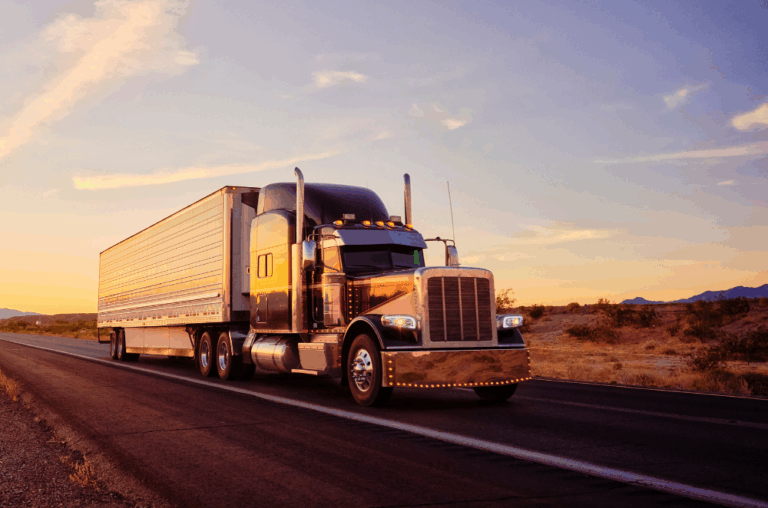
Freight insurance helps protect your finances when goods are being transported. It covers shippers and carriers against major risks like accidents, theft, fire, or natural disasters.
This coverage gives businesses more confidence when shipping goods and helps lower the risk of unexpected financial losses.
A good insurance plan can also improve your logistics, making your business operations safer and more dependable.
Types of freight insurance
The main types of freight insurance address specific needs. Below are the most commonly used and relevant options for businesses:
- Third-Party Liability Insurance: It covers damage to people, cars, or property owned by other people while they are being transported. This insurance is required and necessary for shipping and logistics businesses.
- Carrier Liability Insurance: Covers losses of cargo when the carrier is directly to blame. The amount you get back is based on the weight of the damaged goods, not their value.
- CMR Insurance: The CMR Convention, it applies to international road transport. It offers standard insurance with set limits on coverage, but it doesn’t cover risks like war or natural disasters.
- All Risks Insurance: Provides complete protection for goods against all risks except those specifically excluded in the contract. It is best for sending things that are expensive, fragile, or very important.
- Self-Insurance: The cargo owner purchases insurance directly to cover damage, regardless of who is at fault. This goes beyond the carrier’s basic insurance.
Choosing the right insurance means carefully considering the type of cargo, its value, the planned route, and any risks associated with the shipment.
What does freight insurance typically cover?
If your business handles production, procurement, sales, or shipping, your goods are exposed to risks at every step of the process. No matter how you transport them, freight insurance can help protect you from unexpected losses. Here’s what it usually covers:
- Damage to goods is the most common risk. Causes include falls, improper handling during loading and unloading, and breakage, which frequently occur during transit—even non-fragile items are vulnerable.
- Partial or total theft and “disappearance” incidents at transportation hubs.
- Accidents, collisions, or various traffic incidents.
- Fire or explosion: increased risk when transporting hazardous materials.
- Special risks: Riots, terrorist acts, or war.
Damage to goods during transit can cause significant financial and commercial losses to your business, not to mention wasted time and effort. This underscores the importance of cargo insurance. Adequate coverage must be purchased, with a clearly defined scope of insured risks.
What are the advantages of freight insurance?
Freight insurance not only protects you from all risks that can happen during shipping but also pays you back if something goes wrong. If your goods are lost, you may be reimbursed for their value, depending on your insurance plan.
Freight insurance also keeps your goods safe during the whole trip, even when they are being moved or stored along the way.
Generally, insurers offer “all-risk” policies that cover all losses, or more restrictive policies that cover only specific “events” listed in the insurance contract.
ssfeshipping is more than just a freight forwarder. We support you at every stage of your cargo’s journey. With our extensive expertise, we can advise you on all aspects of freight insurance.

What information is required to purchase freight insurance?
Among the many freight insurance products available, you must select the most suitable coverage plan. To do so, clearly communicate your needs to the insurance company and provide the following details:
- Type of goods being transported: weight, value, etc.;
- Mode of transportation;
- Final destination of the goods. In fact, the farther the destination, the higher the risk.
Why Purchase Freight Insurance?
There is always some risk when shipping goods. Bad weather, accidents, natural disasters, or mistakes made while handling your shipment can all damage it and cost you more than you expected. Freight insurance protects your goods from these kinds of problems, so if something does go wrong, you can get your money back.