For Chinese businesses trying to grow their foreign commerce, the United States remains a key target market. But how many things are shipped to the United States? What methods of transportation are most widely used? What factors should businesses consider while entering the American market?
This article investigates these topics and offers practical advice on exporting goods to the United States.
Major Products Imported by the US
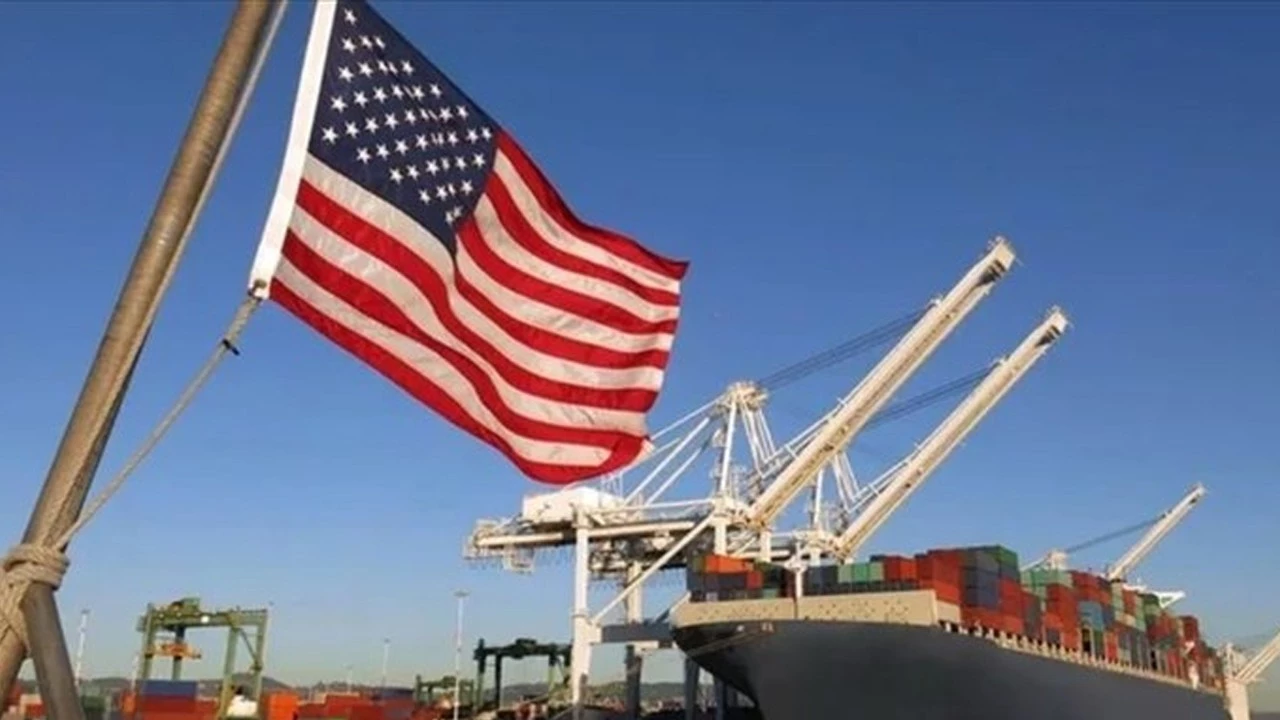
The US imports various products to cover its trade deficit. The main products it imports are as follows:
- Electronic Products: Smartphones, televisions, and other electronic devices are among the products most imported by the US.
- Petroleum and Petroleum Products: The US imports crude oil and refined products to meet its energy needs.
- Vehicles: Cars and other vehicles rank high on the US import list.
- Textiles and Clothing: Textile and clothing products are imported from different countries and sold in the domestic market.
What are the requirements for exporting to the United States?
Exporting to the United States involves meticulous planning, regulatory compliance, and attention to the rules of both countries. To streamline the process, review the checklist below, which outlines the key steps for companies and products entering the U.S. market:
- Identify target markets: Research demand, consumer profiles, and competitors;
- Standardize company operations: Verify that company bylaws permit exporting and amend documents if necessary;
- Review relevant regulations: Understand China and U.S. standards, including certifications and labeling requirements;
- Assess export costs: Calculate logistics fees, taxes, and administrative charges;
- Establish connections and partnerships: Identify potential customers, distributors, or agents;
- Plan international logistics: Determine suitable shipping methods, delivery timelines, and packaging solutions;
- Stay informed about tax law changes: Keep abreast of the latest developments in taxation and regulatory frameworks.
Tariffs and Customs Duties
In the United States, customs duties help control imports and support local businesses. When goods arrive in the U.S., they usually face one of two main types of duties:
- Ad valorem duties: Charged as a percentage of the product’s declared value. This is the most common type of duty and applies to most imported goods.
- Specific duties: Charged as a fixed amount per unit, such as per kilogram or per liter, regardless of the product’s value. These are typically applied to certain designated products.
In addition to regular duties, the U.S. sometimes imposes extra tariffs on certain products from specific countries due to trade policies or disputes. Some common examples are:
- Anti-Dumping and Countervailing Duties (AD/CVD): Used when imported goods are sold at unfairly low prices or benefit from government subsidies.
- Section 301 tariffs: Mainly applied to imports from China as part of broader trade policy measures.
- Section 232 duties: Imposed on steel and aluminum imports from selected countries for national security reasons.
In practice, these duties have a big impact on import costs. For both exporters and importers, knowing which tariffs apply and why can make a real difference in pricing and staying competitive.
Preferential tariffs for imports into the United States and eligibility criteria
The United States offers preferential tariffs to encourage trade with partner countries and support the economic development of developing countries. These tariffs reduce or eliminate duties on specific imported goods under certain agreements or programs.
- United States-Mexico-Canada Agreement (USMCA): Offers reduced or zero tariffs on many products traded between the three member countries, promoting trade in the North American region.
- Generalized System of Preferences ( GSP): Allows the duty-free entry of thousands of products from over 100 developing countries to promote their economic growth.
Eligibility criteria vary by specific program or agreement, but generally include:
- Origin of the product : The goods must be produced in one of the beneficiary countries or must contain a sufficient percentage of material originating from these countries.
- Compliance with rules of origin: Each program has detailed rules that define how a product can be considered to originate in a beneficiary country.
- Direct Shipping Requirements: Goods must be shipped directly to the United States from the recipient country, without being altered in a third country.
These programs foster economic diversification and provide developing countries with access to the vast U.S. market, contributing to global development and the creation of new business opportunities.
Import controls and restrictions in the United States
In the United States, import controls and restrictions are tools used to protect public health, national security, and the economy. These include:
- Import Quotas: Quantitative limits on the import of certain products to protect domestic producers.
- Import Licenses: Required for the import of specific items, such as some raw materials and technology products.
- Safety and health standards: Rules to ensure that food, medicines, and other consumable goods are safe for consumption.
Examples of exemptions
- GSP (Generalized System of Preferences) Program: Allows the duty-free import of thousands of products from developing countries, aiming to promote economic growth in the beneficiary countries.
- Exemptions for Commercial Samples and Temporary Imports: Items that are not intended for sale may qualify for duty-free entry, facilitating trade and marketing.
Advantages of Exporting to the USA
There are many different advantages to exporting to the United States:
- The US stands out as almost the world’s largest market. Its broad demographic base, comprising people from different nations, offers entrepreneurs many opportunities.
- You can take advantage of the opportunities offered by the rising currency.
- If you want to increase your profit margin and expand your company globally, you may consider exporting to the United States.
- With the rise of e-commerce and digitalization, it is quite easy to market and sell online worldwide. The United States is an important market.
You can also consider exporting to the United States to expand your customer base and distance yourself from local economic fluctuations. By reducing your dependence on the local economy, you can expand your product portfolio more comfortably.
Documents Required for Exporting to the United States
If you want to send goods to the United States, don’t worry. Just follow the right steps and make sure you have the right documents. The most important documents are the customs declaration, an English-language commercial invoice, and a packing list. Please remember that some products or materials might need extra permits, certificates, or special licences.
If you need any help understanding what documents you need to send us, please email us with details about your product. We are happy to help you with the U.S. export process.
- Commercial Invoice: This document lists the products, their value, and details about both the importer and exporter.
- Packing List: This document gives details about the size, weight, and type of packaging.
- Bill of Lading: This document is critical as it proves the carrier has accepted the goods and entered into a transport contract with the exporter.
- Customs Declaration Form: This document provides details such as the nature, value, quantity, and country of origin of the products.
- Certificate of Origin: The Certificate of Origin is issued by the foreign trade bureau or another government agency in the country that is exporting the goods. It shows where the product was made, and this information affects the import taxes charged by U.S. Customs.
Basic Export Documents (Applicable to All Products)
| Document Name | Prepared By | Language | Key Notes |
|---|---|---|---|
| Commercial Invoice | Exporter | English | Must accurately state product description, price, and trade terms |
| Packing List | Exporter | English | Clearly list detailed contents of each package |
| Bill of Lading (B/L) or Air Waybill (AWB) | Carrier / Forwarder | English | Ensure proper management of the original B/L |
| Certificate of Origin | Chamber of Commerce | English | Especially important when EPA/FTA benefits apply |
| Export Permit | Customs | Chinese / English | Certificate of acceptance of export declaration |
| Insurance Policy | Insurance Company | English | Required under CIF or CIP terms |
What are the key considerations for shipping goods to America?
When we send products to America, transporting them is one of the most important stages. It is very important for getting products to market. But choosing the right way to transport your goods is not enough. If you make a mistake at this stage, it can cost more, take longer to deliver, and make customers unhappy. So, it’s really important to plan how you’ll transport your products and choose the best way to get them to your customers. You also need to think about how you’re going to sell them, and do so very carefully. When shipping to a large country like America, there are important things to consider at every step of the process:
- Determining the appropriate mode of transport: Air, sea, or land transport should be chosen based on the type of product, volume, and delivery time.
- Complete preparation of customs documents: Documents such as invoices, bills of lading, and packing lists must be complete and accurate.
- Product compliance certificates: Obtaining certifications required by American regulatory bodies, such as the FDA, is mandatory.
- Pre-calculation of customs tariffs and taxes: Import duties should be examined in detail to avoid surprise costs.
- Distribution planning: A robust distribution network must be established to deliver products to customers within the United States.
- Getting shipping insurance: Products need to be protected against potential damage, loss, or delays.