If you’re planning to ship goods to the United States soon, it’s important to understand the role of CBP. This will help you to keep your supply chain compliant, avoid delays and prevent costly penalties.
Customs impacts logistics and supply chains
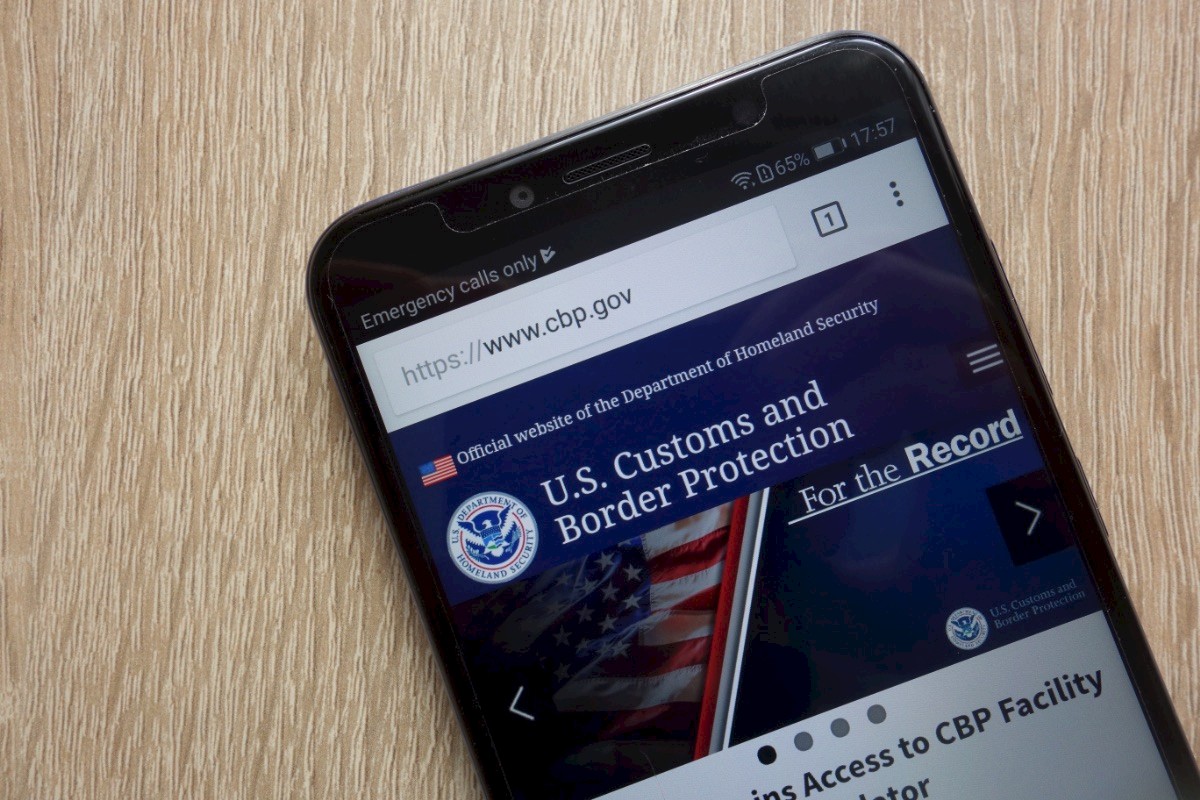
The U.S. Customs and Border Protection (CBP) agency is in charge of all trade that comes into the country. This is a list of things that CBP must do when someone brings goods into the country:
- Customs Clearance: In charge of making sure that incoming goods go through customs clearance, which includes thorough inspections. This agency ensures shipping documents are correct, determines which taxes and duties apply, and inspects goods when required.
- Improving Security: To help national security, we need to find and stop the flow of illegal or banned items that are a threat to security, like drugs, weapons, and fake goods.
- Trade Compliance Enforcement: It is important to make sure that goods brought into the U.S. follow U.S. trade rules. This means following the rules for tariff classification, valuation, and origin. Full documentation is necessary to make sure that everything is done correctly and that cargo moves quickly. This is also an important part of the enforcement process.
- Taxation: Putting fees and taxes on people who bring things into the country. These taxes are very important for the government to do its job and protect businesses in the U.S.
- Intellectual Property Protection: Protect the rights of real trademark and copyright holders by stopping people from doing things that break the law and taking fake goods at immigration checkpoints.
Role of CBP in international trade
The United States is home to one of the world’s most active foreign trade industries. This is why the CBP plays a critical role in ensuring that import and export operations are conducted safely, efficiently, and legally.
- Cargo inspection and release: All items entering the United States must be checked by customs. CBP checks documents, where they came from, how much they’re worth, and if they follow the current rules.
- Tariff classification and valuation: CBP is responsible for determining the correct classification of products in the U.S. customs tariff, which directly influences the taxes that must be paid.
- Enforcement of trade treaties and agreements: The agency ensures compliance with treaty rules, such as those set out in the USMCA, to ensure that tariff preferences are applied correctly.
- Detection of counterfeit or dangerous products: CBP works in conjunction with agencies such as the FDA, EPA, and USDA to prevent the entry of unauthorized products or those that pose health or environmental risks.
What documents does U.S. CBP review?
The U.S. Customs and Border Protection (CBP) has specific rules about what you need to show when you are bringing goods into or taking goods out of the country. The exact documents needed may vary depending on the nature, value, and country/region involved. But there are some common documents you need for import and export:
Including both import and export.
- Commercial Invoice: It provides detailed information about the goods, including their value, quantity and cost. It is used for customs valuation and financial record-keeping.
- Bill of Lading (B/L) or Air Waybill (AWB): It confirms the shipment and includes details of the carrier, the destination, and the person receiving the goods.
- Packing List: Shows the contents of the shipment, including dimensions and weight.
- Certificate of Origin: Indicates the country of origin of the goods, which may affect tariffs and trade agreements.
Documents Required for Import.
- Customs Declaration: Importers must complete customs forms (e.g., Form CBP 3461) to provide further details about the goods, their country of origin, and intended use.
- Importer Security Filing (ISF): The “10+2” filing requires the importer to submit information about the goods to U.S. Customs and Border Protection (CBP) at least 24 hours before loading.
- Import License or Permit: Importing certain goods may require a special license or permit, which is usually obtained from the relevant government agency.
- Harmonized System (HS) Code: Importers must assign the correct HS code to their goods, which determines tariff classification and applicable regulations.
Documents Required for Export.
- Export Declaration: In the United States, most exports valued over $2,500 must be reported using the Automated Export System (AES) or the Automated Commercial Environment (ACE).
- Export Licenses or Permits: Depending on the nature of the goods and their destination, certain goods, particularly those affecting national security or subject to export controls, may require export licences or permits
CBP programs and tools to facilitate trade
CBP’s job is to control the border, but it also wants to make international trade easier. To do this, it has created programmes and systems to make processes easier and improve security. Some of the most notable are:
1. ACE (Automated Commercial Environment)
This is the electronic system that the United States uses to manage foreign trade. It lets users submit digital documents, make payments and check the status of their shipments.
2. C-TPAT (Customs-Trade Partnership Against Terrorism)
This is a programme you can join if you want to. It lets companies that meet certain security standards benefit from fewer inspections and quicker customs processes.
3. ISF (Importer Security Filing)
This requirement, called “10+2,” says that you must give certain information about maritime cargo at least 24 hours before it sails to the U.S. The purpose is to identify risks before the goods arrive in the country.
What happens if CBP regulations are broken?
Failure to comply with CBP regulations can have serious consequences for importers and exporters, such as:
- Heavy fines.
- Retention or seizure of goods.
- Loss of certifications or privileges from programs such as C-TPAT.
- Significant delays in the supply chain.
It is very important to be familiar with the regulations and make sure you know the current requirements for each type of product or country of origin.
CBP works with other agencies
CBP does not work alone. It works with lots of different government agencies to make sure that goods entering the country follow all the rules. Some of these agencies are:
- FDA (Food and Drug Administration): control of food products, cosmetics, medicines, and medical devices.
- EPA (Environmental Protection Agency): regulation of chemicals, pesticides, and pollutants.
- USDA (United States Department of Agriculture): oversight of agricultural and animal products.
- DOT (Department of Transportation): regulations for dangerous goods or imported vehicles.
Conclusion
CBP is an important part of the international trade system, especially for people who import or export products to and from the United States. Its job is to protect borders, but it also needs to make it easy for goods to move around the world, which is really important for trade.
For any company wanting to operate successfully in the US market, it is essential to understand its functions, programmes and requirements. Even minor errors in documentation or non-compliance with regulations can result in delays, fines or the loss of a shipment. Therefore, it is vital to stay informed and work with logistics partners who have a thorough understanding of the U.S. regulatory framework.