
If your company doesn’t have enough cargo to fill a container, don’t worry. LCL (less than container load) shipping is important for your supply chain. This article will interest you because it explains how small and medium-sized businesses can participate in global trade via LCL. We offer a complete guide to calculating costs and why packaging matters. We give you all the tools and information you need to succeed. We are here to help you!
In international shipping, the full container load (FCL) method is the most common for big shipments. But many companies, especially small and medium-sized ones, don’t often ship large quantities. For them, shipping less than a container, called LCL, is the quickest and cheapest choice.
This guide explains LCL shipping. We will help you understand the process and decide if it is the best option for your company.
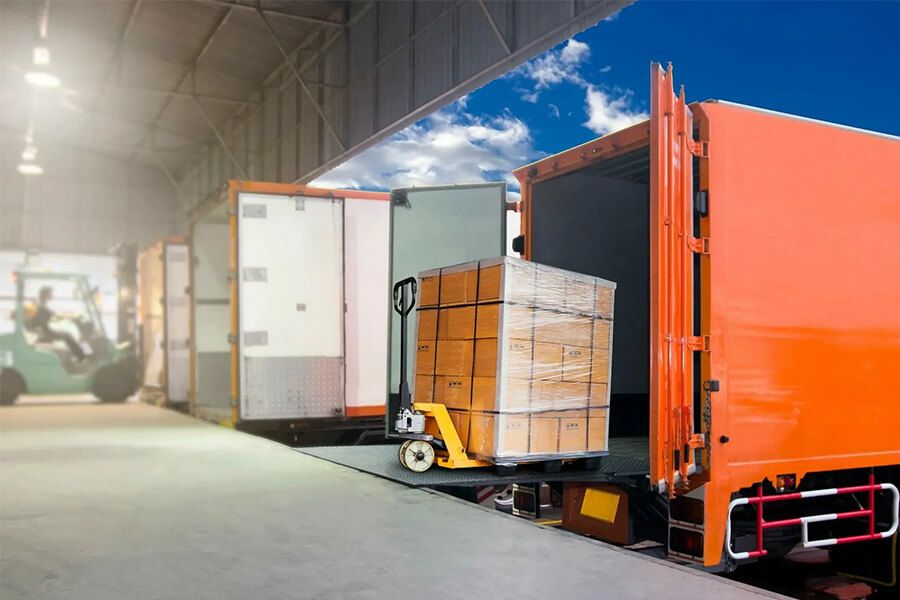
What Is LCL Shipping?
LCL is a sea freight method typically used when a business is shipping small volumes that aren’t large enough to fill a full container. Therefore, the goods are combined with other shippers’ cargo in the same container.
Simply put, this ocean shipping method allows you to share container space with other parties. The cost is calculated based on the space your goods take up within the container. This method differs from FCL ( Full Container Load ), where a single container is used by a single shipper.
Characteristics of LCL Shipping
1. Use of Shared Containers
2. Cost Calculation Based on Goods Volume
3. Suitable for small to medium volumes
4. Relatively Longer Delivery Time
When and why should you choose LCL shipping?
LCL shipping is a good choice in many situations:
- Low volumes: If your shipment doesn’t fill a whole container, LCL is the best way to save money and ship efficiently.
- Cost savings: When you share a container with others, you only pay for the space you use, so you spend less and each shipment costs less.
- Flexibility: LCL shipping lets you send goods whenever you want, even if you don’t have a full load, and fits your needs and schedule.
However, LCL shipments can take longer because they go through several steps. Also, since you share the container with others, your goods might get damaged, so good packing is important.
How much does LCL shipping cost?
Cost is a key factor when choosing the right shipping method. The price of LCL shipping depends on factors such as weight, size, destination, and distance. Shipping fees are based on the greater of the actual weight or the space the goods occupy. Long trips or faraway places usually cost more, as do special services like custom packaging or handling dangerous materials.
Many shipping companies offer custom packages, including discounts for regular shipments or combined services like transport and storage. These options can provide significant benefits to businesses looking to improve their supply chain.
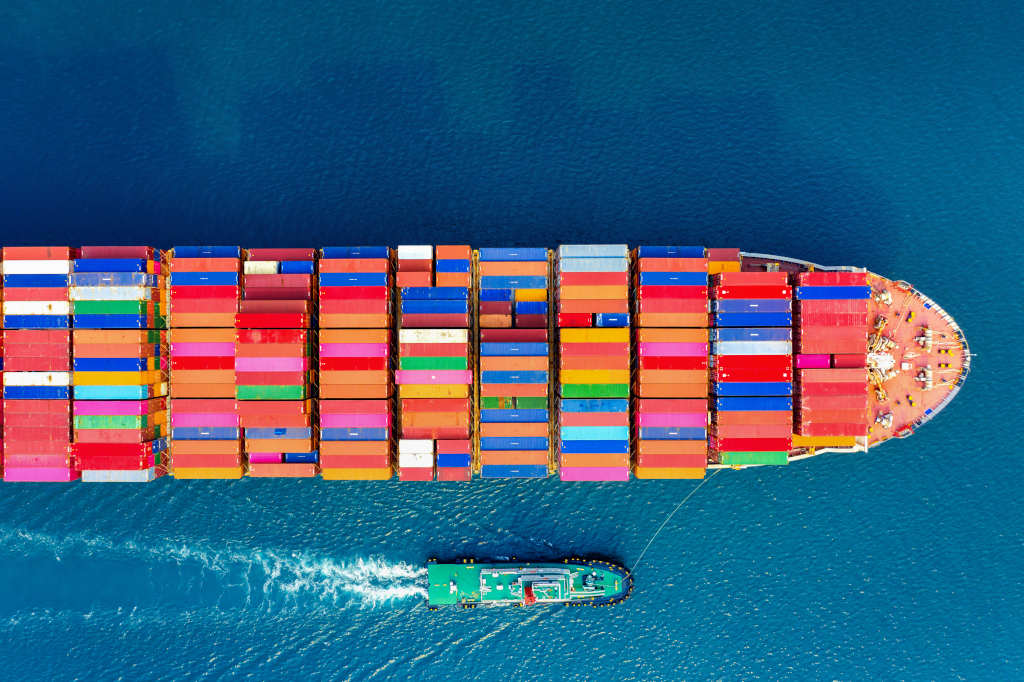
Aerial view of container cargo ship in sea.
Is LCL shipping safe?
Usually, only dry goods and products that are safe to handle are accepted, because they must be loaded and unloaded carefully to avoid damage. Since items needing temperature control or special care are not included, the process is faster and delays are much less likely.
If one shipment inside a container is checked by customs, the whole container is held, causing delays for everyone. So, shipping companies set strict rules for LCL shipments to avoid problems. Still, they usually allow extra time in the schedule to handle possible customs delays. After the ship arrives, it can take several days for the container to be cleared at the port, and additional time is needed to unload and prepare the goods at the port’s warehouse.
Potential Challenges and Best Practices for LCL Shipping
LCL shipping has many benefits, but it also has some challenges. If you know these challenges and follow the practices and mitigate risks, you can ensure safe shipping.
- Longer transit times: Goods need to be gathered at the start and separated at the destination, so LCL shipments usually take longer to arrive than FCL shipments.
- Higher risk of damage: Since your goods share space with other shipments, there is a slightly bigger chance of damage. So, it’s important to have good packaging, clear labels, and properly prepared pallets.
- Complicated paperwork: LCL shipments often require more complex paperwork because carriers must handle documents from multiple parties.
To address these challenges, it’s important to choose a reliable, experienced shipping service for LCL shipments. A good provider will help you handle your paperwork, communicate clearly, and ensure your goods are handled properly during delivery.