What is a Freight Forwarder?
Freight forwarders serve as intermediaries in the international logistics sector. Their primary function is to facilitate and coordinate the movement of goods from their point of origin to their final destination. They act as intermediaries between various participants in the supply chain, such as exporters, importers, shipping companies, airlines, warehouses, and trucking companies.
Freight forwarders play a vital role in assisting shippers with complex international and domestic shipments. For shippers requiring international shipping or multimodal transit, freight forwarders can help reduce costs and save time.
Freight Forwarder Main Responsibilities
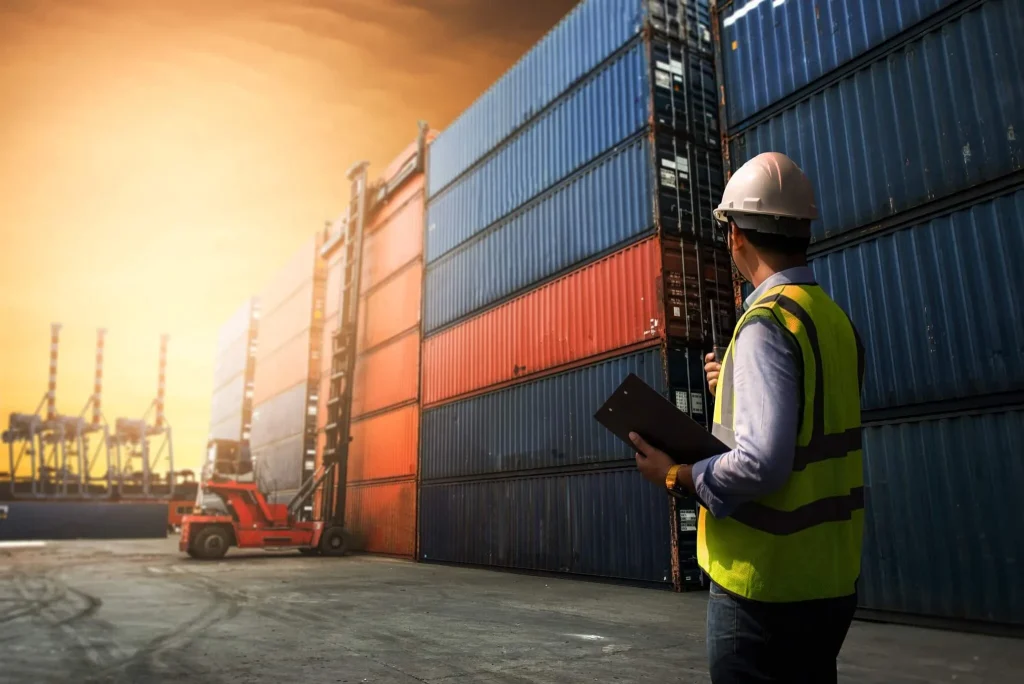
What does a freight forwarder do? The responsibilities of these professionals can vary greatly. The main duties of a freight forwarder are as follows:
- Advising customers on the best shipping options, the most efficient routes, suitable shipping vehicles, or the necessary customs requirements and documents for the shipment of goods.
- Coordinating the logistics chain and managing all processes from pickup at the source to delivery at the final destination.
- Enter into service contracts with different suppliers and coordinate them: shipping companies, airlines, road transport companies, warehouses, etc.
- Process the necessary customs documents: commercial invoice, certificate of origin, permits and licenses, sea freight, etc.
- Continuously tracking goods throughout the logistics process to ensure delivery times are met and goods arrive at their final destination in perfect condition.
- Managing potential issues and communicating relevant complaints to suppliers.
Benefits of Using a Freight Forwarder
- Experience and knowledge: The freight forwarder has extensive experience and knowledge in the international transportation sector, enabling them to provide consulting and solutions tailored to each customer’s needs.
- International coverage: Freight forwarders typically have an extensive global network of partners, enabling them to coordinate shipments across many countries and different modes of transport. This facilitates logistics and route optimization.
- Time and cost savings: The freight forwarder manages all aspects of shipping, saving companies time and money in managing their shipping operations.
- Security and protection: The freight forwarder ensures compliance with all laws and regulations related to international shipping, guaranteeing the security and protection of goods throughout the shipping process.
- Flexibility and adaptability: The freight forwarder can adapt to each customer’s specific needs, enabling them to offer customized and tailored solutions for each shipment.
- Network: The freight forwarder has an extensive network in the freight industry, giving them access to a wide variety of shipping options and the ability to find the most suitable solution for each shipment.
- Increased supply chain efficiency: The carrier is a strategic partner for companies seeking to optimize their shipping operations and increase supply chain efficiency, as it is responsible for coordinating all shipping-related matters and ensuring that all deadlines and requirements are met.
- Negotiation of competitive rates: Freight forwarders have the ability to negotiate preferential rates with carriers and logistics service providers, which can result in significant savings for companies.
- Problem solving: In the event of problems or disruptions with a shipment, freight forwarders have the necessary resources to take corrective action and resolve issues effectively.
- Cargo insurance: Shipping companies often offer cargo insurance options to protect goods during transit, providing peace of mind to importers and exporters.
Transportation Methods Used by Freight Forwarders
- Sea freight
- Rail freight
- Road freight
- Air cargo
How does a freight forwarder work?
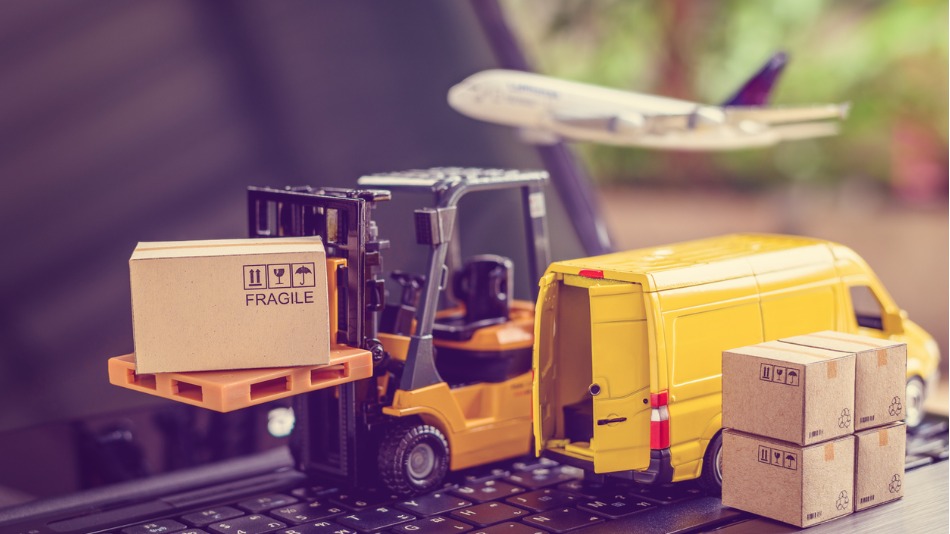
Freight forwarder play an important role in international cargo management. Their workflow can be broken down into the following steps:
- Information Gathering: The process begins with gathering detailed information, including the type, dimensions, weight, value, shipping date, and final destination of the goods to be shipped.
- Route and Transport Selection: Freight forwarder use their experience and knowledge to select the most suitable route and transport method for the goods. This may include sea, air, rail, or road freight.
- Reservation and Coordination: Once the route and mode of transport have been determined, the freight forwarder makes the necessary reservations with the relevant carriers. They also coordinate logistics operations such as cargo pickup, storage, and delivery.
- Documentation: The freight forwarder is responsible for processing all documents required for international transportation, such as commercial invoices, insurance policies, customs documents, and other necessary licenses.
- Tracking and Problem Management: The freight forwarder continuously monitors the shipment throughout the transportation process to ensure that the goods arrive safely and on time at their destination. They resolve any problems quickly and effectively.
Trends and Challenges in Freight Forwarder
- Digitalization of Processes: One of the biggest challenges facing the transportation industry is the digitalization of processes using technologies such as artificial intelligence, blockchain, or robotics to increase the efficiency and transparency of transportation processes.
- Changes in Regulatory and Commercial Policies: The freight industry is affected by changes in international regulations and commercial policies that can impact customers’ shipping conditions and customs and tax obligations.
- Sustainability and the Environment: Sustainability and the environment are becoming increasingly important in the freight transport sector, so carriers should adopt more sustainable and environmentally friendly practices in freight transport.