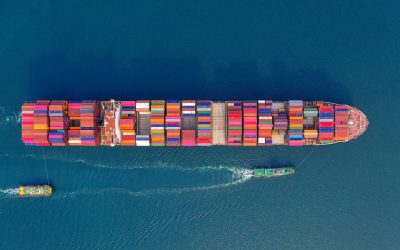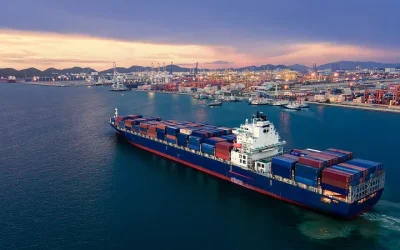
Moving goods from ports or rail yards to warehouses is an important step that connects shippers, cargo owners, and their customers. It offers customers cross-border services and flexible transport options.
Short-haul transport costs are often ignored in multimodal transport, but they directly affect the profit of every container shipment. These fees pay for moving containers between ports, rail yards, warehouses, and distribution centers. They can significantly raise shippers’ costs, often leaving them feeling unable to fix the problem, and can delay important deliveries.
For shippers, understanding the composition of these fees is the foundation for effective cost management and reduction.

What Are Drayage Fees
Once goods clear customs, they must be transported from the port to your warehouse or distribution center. Domestic freight costs vary based on distance, mode (truck, rail, or intermodal), and shipment size. Unforeseen costs incurred during transport from the port terminal to a nearby warehouse or rail freight station—known as short-haul transportation costs—can arise unexpectedly. Time-based charges and various exceptional costs (such as storage fees, waiting charges, re-transportation fees, and chassis storage days) are quickly reflected in this phase.
How Are Drayage Rates Calculated?
Drayage calculation means determining the cost of moving goods over a short distance. Many factors can affect these costs:
First, there is a base fee, which is the main charge for moving cargo to or from the port to its next stop. Basic drayage costs depend on things like how far the cargo travels, how quickly it needs to be delivered, and how easy it is to handle.
- Distance: Longer port-to-destination distances typically increase rates.
- Time of Delivery: Delivery timing affects cost—peak or less flexible time slots often incur higher fees.
- Drop & Hook vs. Live Unload: Drop-and-hook (using asset-based or dedicated carriers) lets warehouses unload at their convenience, improving efficiency. Live unloading often causes delays and adds carrier fees.
- Ease of Handling: Palletized freight is efficient and economical; floor-loaded, oversized, or irregular cargo requiring special equipment or labor increases cost.
- Carrier Type: Asset-based carriers (owning trucks) offer greater reliability. Supplement with brokered (“asset-light”) capacity when needed to ensure coverage and avoid port penalties.
- Weight: Maximize container utilization—but always comply with legal weight limits for the port-to-destination route.
- Special Handling: Temperature control, heavy-haul, in-bond transit, or other specialized services incur additional charges.
So, once you calculate the basics, you then need to account for extra drayage fees, aka. accessorials.
The Role of Drayage in Intermodal Logistics
Drayage is essential to the intermodal transport model (using multiple modes like sea, rail, and truck). It allows containers to move seamlessly between:
- Ships → Trains
- Trains → Trucks
- Ports → Warehouses
When managed well, drayage helps lower costs, improve sustainability, and reduce delivery timelines. Therefore, it’s critical for businesses that rely on efficient logistics operations.
Current Trends in Drayage Rates
Several global dynamics are pushing container freight charges up:
- Geopolitical Tensions: Changing trade patterns lead to unpredictability.
- Port Congestion: Delays increase container drayage services costs.
- Environmental Regulations: Cleaner equipment investments affect pricing.
Labor Shortages: A lack of qualified drivers affects drayage trucking services availability and cost.
How to Reduce Your Drayage Costs: Practical Steps
Most drayage cost overruns are preventable. These steps consistently deliver the biggest savings.
Pre-clear customs before the vessel arrives
Customs delays are the leading cause of containers sitting in terminals past free time, triggering demurrage. Working with your freight forwarder to submit documentation in advance — so Customs releases the container the moment it’s discharged — eliminates this risk almost entirely.
Choose a carrier with a private chassis fleet
Pool chassis shortages are unpredictable. A drayage provider who owns its fleet doesn’t depend on third-party availability, which means more consistent pickup timing and no daily chassis rental charges passed to you.
Coordinate unloading before the container arrives
Detention fees build when warehouses aren’t ready to receive. Confirming your unloading team’s schedule before the container is delivered gives you control over the detention clock — and means the empty goes back on time.
Use a provider with integrated warehousing near the terminal
When your drayage provider operates warehousing and transload facilities minutes from the terminal, containers move quickly and don’t sit waiting for warehouse space to open up.
Book contract rates instead of spot
For importers moving containers regularly, negotiated contract rates with a single drayage provider consistently beat spot market pricing. Contract rates also give you priority on chassis allocation and appointment scheduling during peak periods when spot customers often face delays.
Why Drayage Matters More Than Ever
As global trade accelerates and customer demands increase, the pressure on logistics to be faster, leaner, and greener intensifies. Port drayage solutions aren’t just a logistics line item they’re a competitive advantage. Neglecting container drayage services can sink your supply chain. Mastering them can transform your business.
FAQ's
How much does drayage cost per container in USA?
Base drayage rates in the USA major markets run $500–$800 for a standard 40ft container move from a port or rail terminal to a nearby warehouse. plus additional fees for fuel, chassis, and congestion.
What is a drayage fee on an invoice?
A drayage fee covers the short-distance truck move of your container from a port or intermodal rail terminal to its next destination — typically your warehouse or a transload facility. It does not typically include chassis rental, fuel surcharges, terminal handling charges, or demurrage and detention penalties.
What is a chassis fee in drayage?
A chassis fee covers the daily rental cost of the trailer frame that carries the container during the drayage move.
What are drayage charges vs. demurrage charges?
Drayage charges come from your trucking carrier for the physical move of the container. Demurrage charges come from the port or terminal when your container sits beyond the free time window — typically 3–5 days. They are separate invoices from different parties and both affect your total cost if pickup is delayed.