
Do you want to find a container that fits your needs and lower your shipping costs? We can help make things easier. We'll find the right container size and type for your cargo so it arrives at its destination safely and you stay within your budget. To make your shipping process more consistent, start by learning the basics of 40-foot containers, such as their dimensions, types, and load capacities.
This short guide offers useful advice on preparing to ship your goods.
If you need help with container shipping, Ssfeshipping is here for you. We'll help you pick the right container size and type to strike the best balance between protection and cost. We work to save you money by keeping your packages as small as possible, ensuring there is no extra weight, and making shipping quick and easy.
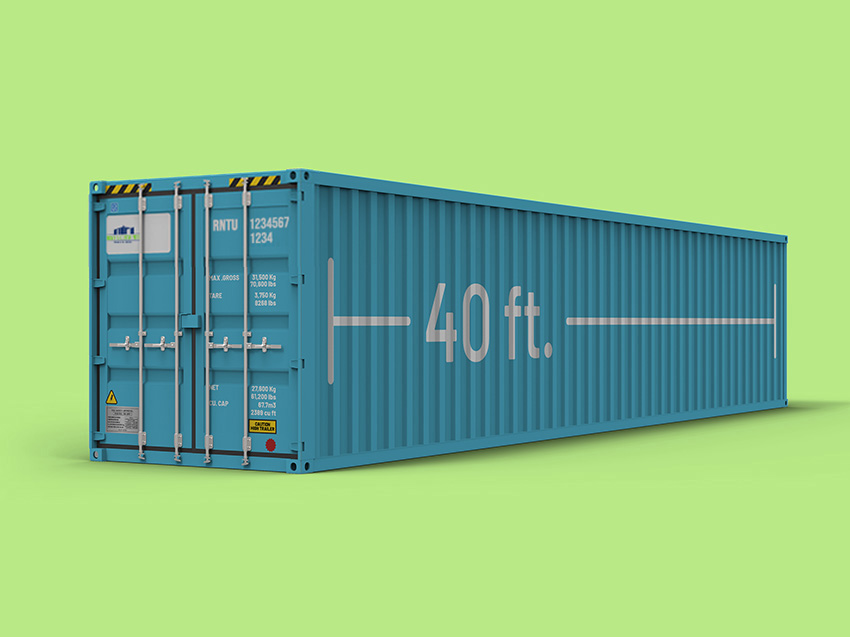
How Much Can I Fit In A 40ft Container?
A 40-foot container can hold about twice as much cargo as a 20-foot container, as expected. A 40-foot container (40 feet long) can hold about 67 cubic meters of cargo. A 40-foot container can hold up to 67,200 pounds of cargo. In the US, container weight classifications are very important for getting transport permits. If your container's payload exceeds the limit, you will need an overweight permit in most states. which triggers overweight permits in most states. Factor this into your logistics plan.
- Tare weight: ~4,150 kg
- Max gross weight: ~30,480 kg (approx. 67,200 lbs)
- Typical maximum cargo weight: ~26,300 kg (29 tons), depending on route and shipping line restrictions
Dimensions of a 40ft Container
Regarding 40-foot containers, these large units provide significant space for shipping and storage. Typically, a 40-foot container measures 40 feet in length (12.19 metres), 8 feet in width (2.44 metres), and 8.5 feet in height (2.59 metres). While slight variations might exist between manufacturers, these dimensions are generally accepted throughout the industry.
| Metric | Exterior | Interior (usable) | Why it matters |
|---|---|---|---|
| Length | 12.19 m / 40 ft | 12.03 m / 39 ft 6 in | Load‐planning & dunnage |
| Width | 2.44 m / 8 ft | 2.35 m / 7 ft 9 in | Pallet optimisation |
| Height | 2.59 m / 8 ft 6 in | 2.39 m / 7 ft 10 in | Stack height checks |
| Usable volume | – | ≈ 67 m³ (2,366 ft³) | CBM calculator inputs |
| Tare weight | – | ≈ 3,700 kg | Net vs. gross declarations |
| Max gross | – | ≈ 32,500 kg | Carrier / road limits |
Types of 40ft Containers
A 40-ft shipping container provides a significant advantage in terms of cargo capacity. These containers are designed to transport and store large quantities of goods efficiently—offering specialized variants for virtually every cargo type. Understanding which 40-foot container is right for your cargo saves money and prevents costly shipping mistakes.
- A refrigerated shipping container features a self-powered cooling system to transport and store perishable cargo, such as fresh produce or frozen goods.
- High cubes have an extra 30cm of vertical space than standard containers for transporting extra-tall freight.
- Insulated containers ship cargo that must maintain consistent ambient temperatures.
- Flat racks support heavy shipments such as vehicles or machinery.
- Dangerous goods shipping containers ensure secure transportation of flammable materials such as gas bottles, fertilisers and paint thinners.
- Side-opening containers feature side doors for easy access.
- Open-tops feature end doors providing loading and unloading flexibility.
How Many Pallets Fit in a 40 Ft Container
40-foot containers are often used to transport larger volumes of goods on long sea and container routes, ensuring efficient and safe transportation on a global scale. Universal 40 ft containers are ideal for transporting larger amounts of pallets. Thanks to the larger space, we can effectively organize transport and optimize the pallet arrangement, thus saving costs and time.
- The 40-foot container allows you to stack 24 Euro pallets measuring 800×1200 mm in one layer or 25 Euro pallets measuring 800×1200 mm in one layer.
Common Use Cases Of 40ft Containers
A 40-foot container serves multiple essential functions. Primarily, it is designed for logistics and transportation, allowing businesses to move goods efficiently across long distances. The size of the container makes it ideal for transporting large volumes of products, whether for retail, manufacturing, or construction.
Key Functions of a 40-Foot Container:
- Storage: Provides ample space for storing equipment, materials, or inventory.
- Transportation: Facilitates the movement of goods by land or sea.
- Secure Storage: Offers weather-tight and lock-box-secure storage options to protect valuable items.
Reasons to choose a 40ft shipping container
It’s no secret that the 40-foot shipping container is a real workhorse in the world of logistics and beyond. People really seem to like them, and honestly, it’s not hard to see why. They hit this sweet spot where they’re big enough to haul a serious amount of stuff, but still manageable enough for most transport situations.
Here are a few reasons why they’re so popular:
- Cost-Effectiveness: Compared to buying or building traditional structures, using a 40-foot container is often a much cheaper option, especially when you consider the amount of space you get. It’s a budget-friendly way to get a lot of storage or a building shell.
- Durability and Security: These things are built to last and withstand harsh conditions. The steel construction and secure doors mean your belongings are protected from the elements and potential theft.
- Portability: Need to move your storage or workspace? No problem. 40-footers are designed to be moved relatively easily between ships, trains, and trucks, making them great for dynamic projects or businesses that relocate.
- Standardization: Their consistent dimensions mean they fit into existing shipping infrastructure worldwide. This makes global trade much smoother and more predictable. You can find these containers almost anywhere, making them a reliable choice for international shipping.
How Much Does 40 ft Container Shipping Cost?
Currently, the average cost for a 40-ft container ranges from $1,700 to $2,400. Please note that final pricing varies based on cargo value and specific origin and destination ports.
Factors Influencing 40 ft Container Shipping Costs
When you get that invoice for shipping your goods, it can sometimes feel like a bit of a puzzle. There are a few key things that really push the price around, and understanding them helps make sense of the numbers.
The base ocean freight is the biggest chunk, Beyond the sea voyage itself, you’ve got port and terminal handling charges. These cover all the work done at the docks – cranes lifting your container, gate fees, and wharfage. These tend to get updated annually, so they can creep up over time.
Here’s a quick rundown of what influences the cost:
- Base Ocean Freight: The core cost of moving the container between ports. Spikes happen with high demand or container shortages.
- Fuel Surcharges (BAF): Directly tied to the fluctuating price of bunker fuel.
- Currency Fluctuations (CAF): Affects costs on international trade routes.
- Terminal Handling Charges (THC): Fees for loading, unloading, and port services.
- Special Fees: Things like piracy surcharges, canal transit fees (think Suez or Panama), or congestion surcharges can add unexpected costs.
Tips to Save Money on Container Transport
A few small adjustments can make a big difference in cost:
1. Ship During Off-Peak Months
Avoid late spring and summer when rates spike. Moving in fall or winter can save up to 20%.
2. Pack Efficiently
Every inch of unused space costs you money. Use uniform boxes and heavy-duty straps to secure furniture.
3. Use Terminal Pickup
Instead of door-to-door service, pick up or drop off your container at the carrier’s terminal to save delivery fees.
4. Compare Quotes
Get at least three written estimates. Many companies offer bundled rates for transport + storage.
5. Avoid Overweight Fees
Don’t exceed the 40-foot container’s weight limit. Overloaded units can incur fines or additional equipment charges.
Best Practices for Efficient 40ft Container Transport
Successfully transporting 40ft containers across the US requires careful planning, attention to regulations, and an understanding of the best practices in logistics. Here are a few tips to ensure smooth container transport:
Accurate Weight Distribution
Ensure that the cargo inside the container is properly distributed to avoid overloading specific axles of the transport vehicle. Uneven weight distribution can lead to safety risks, vehicle damage, or penalties for violating weight regulations.
Secure the Cargo Properly
Using the right tie-downs, straps, and braces inside the container is essential to keep goods from shifting during transport. Whether the container is traveling by truck, rail, or ship, properly securing cargo prevents damage and ensures compliance with transport safety standards.
Plan Routes Carefully
When transporting a container, especially if it requires an oversize load permit, planning the transport route in advance is crucial. Consider factors like bridge clearances, toll roads, and areas with weight restrictions. Route optimization can also help reduce costs and avoid delays.
FAQ's
How much does it cost to move a 40ft shipping container
A 40ft standard container from China to the US West Coast costs $3,500–$6,000. However, the final price may vary based on distance, timing, and access conditions.
What is the cheapest way to ship a container?
A 40ft standard container from China to the US West Coast costs $3,500–$6,000. However, the final price may vary based on distance, timing, and access conditions.
What is the cheapest way to ship a 40ft container?
What is the difference between a 40ft container and a 20ft container?
A 40-foot container is twice as long as a 20-foot container, and its inside space is also about twice as much (around 2,390 cubic feet compared to 1,170 cubic feet). 40-foot containers are good for large, light cargo, while 20-foot containers are better for heavy, compact cargo because they can hold more weight in a smaller space.